Updated: March 17, 2026
Thinking about upgrading to a tankless water heater? One of the first questions most homeowners ask is simple…How much does it cost?
In the Denver area, tankless water heater installation typically ranges from:
- $3,500 to $8,000 for most homes
- Smaller or simpler installs: $2,500 to $3,500
- Larger or more complex projects: $6,000 to $9,000+
The final cost depends on your home, the type of system, and whether upgrades are needed to support the installation.
If you’re exploring options, you can learn more about our tankless water heater installation services.
What Is a Tankless Water Heater?
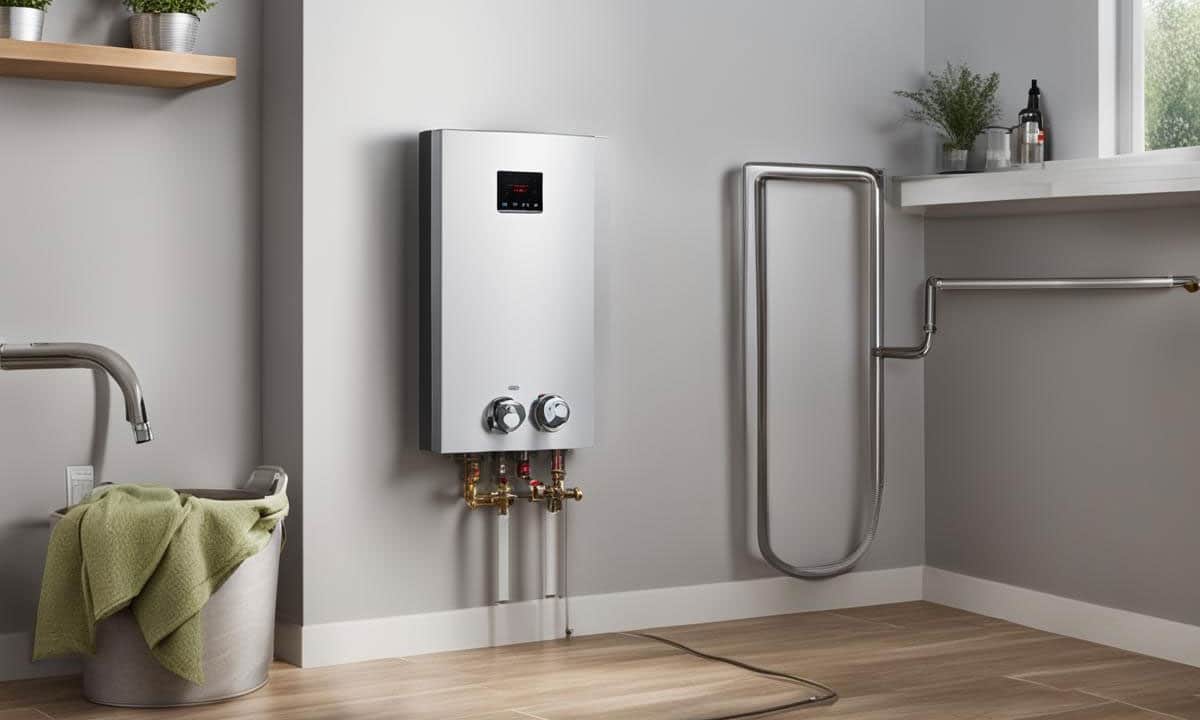
A tankless water heater heats water only when you need it. Instead of storing hot water in a tank, it activates as water flows through the unit.
That means you don’t run out of hot water, and you’re not constantly heating a tank when you’re not using it. For many homeowners, it’s a more efficient and space-saving option.
Cost to Install a Tankless Water Heater
For most homes in Denver, installation costs typically fall between $3,500 and $8,000.
That usually includes the unit itself, professional installation, and standard connections. Where costs start to climb is when the home needs additional work to support the system safely.
For example, upgrades to gas lines, venting, or electrical capacity can all add to the total. These aren’t optional—they’re what ensure your system runs properly and safely over time.
Tankless Water Heater Replacement Cost
If you’re replacing a traditional tank water heater with a tankless system, the cost is usually higher than a standard replacement.
Most homeowners can expect to spend between $4,000 and $8,500 or more.
That’s because switching to tankless often involves more than just swapping units. Many homes need system upgrades to meet current code and handle the new setup. This can include changes to gas lines, venting, or electrical systems, especially in older homes.
Gas vs Electric Tankless Installation Costs
The type of tankless system you choose has a big impact on both upfront cost and long-term performance.
| System Type | Gas Tankless | Electric Tankless |
|---|---|---|
| Typical Cost (Denver) | $4,500 to $8,500+ | $2,500 to $5,000 |
| Best For | Whole-home use, higher hot water demand | Smaller applications or point-of-use |
| Installation Needs | Venting and often a larger gas line | Possible electrical panel or capacity upgrades |
| Performance | Stronger output for multiple fixtures | Limited output depending on electrical capacity |
For most Denver homes, gas tankless systems are the more common choice because they can handle higher demand. Electric systems can still be a good fit for smaller spaces, but they’re usually not designed to power an entire home.
Tankless vs Tank Water Heater Cost
Traditional tank water heaters typically cost less upfront:
- Tank water heater: up to $2,500 installed
- Tankless water heater: $3,500 to $8,000+
Tankless systems cost more initially, but they offer long-term advantages. They last longer, use less energy, and provide consistent hot water without running out.
For many homeowners, especially those planning to stay in their home, the long-term value can outweigh the higher initial cost.
Is a Tankless Water Heater Worth It?
For many Denver homeowners, upgrading to tankless is a smart investment—especially if you want consistent hot water and better efficiency.
It can be a good fit if you:
- Use a lot of hot water daily
- Plan to stay in your home long term
- Want to reduce energy usage over time
The key is making sure the system is properly sized and installed to match your home’s needs.
Professional Tankless Water Heater Installation in Denver
Installing a tankless water heater is more involved than a standard replacement. It requires the right sizing, proper connections, and sometimes system upgrades to ensure everything works safely and efficiently.
Done Plumbing, Heating, Cooling & Electric works with homeowners across Denver to design and install tankless systems that fit the home, not just the equipment. Whether you’re replacing an older unit or planning an upgrade, the goal is to give you reliable hot water without surprises down the line.