Yes — a ductless mini-split heat pump handles both heating and cooling from the same equipment. In cooling mode it works like a standard air conditioner, removing heat from inside your home and releasing it outside. In heating mode the refrigeration cycle reverses: it extracts heat energy from the outdoor air (even in cold air there is usable heat) and moves it inside. The result is a single system that replaces both your air conditioner and your heating source, without ductwork.
How Heating Mode Works in Colorado’s Winters
The most common concern we hear from Denver homeowners is whether a mini-split can actually heat a home through a Colorado winter. The short answer is yes, and the technology has improved dramatically. Older heat pump systems lost significant efficiency below about 35°F and were impractical as a sole heating source in cold climates. Modern cold-climate ductless mini-split systems are rated to operate at full or near-full heating capacity down to 5°F and to provide some heating output down to -13°F or lower. Denver’s temperature rarely falls below -10°F for extended periods, meaning a properly selected cold-climate mini-split can serve as a primary heating source through the vast majority of Front Range winters without a backup system.
Efficiency Advantages at Denver’s Altitude
Heat pumps, including ductless mini-splits, are significantly more efficient than electric resistance heating — the kind used in baseboard heaters or electric furnaces. For every unit of electricity they consume, they deliver two to four units of heat energy by moving heat rather than generating it. At Denver’s altitude this advantage requires proper system selection and sizing, since thinner air affects heat exchange rates at both the indoor and outdoor units. Done’s technicians apply Manual J altitude correction when sizing mini-split systems for Front Range homes to ensure the selected equipment matches your actual climate conditions — not a coastal-climate baseline. A correctly sized mini-split will be noticeably more efficient than the system it replaces.
Multi-Zone Systems: Different Temperatures in Different Rooms
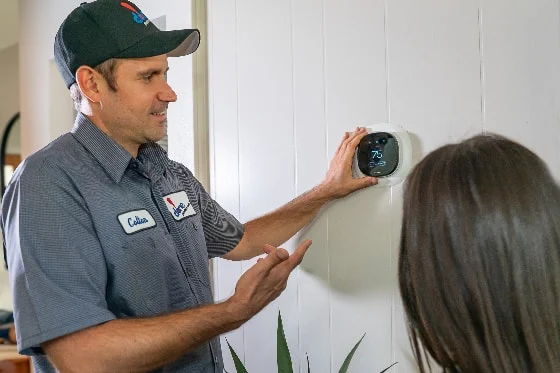
One of the most practical advantages of ductless mini-splits for whole-home use is the ability to create zones. A single outdoor unit can connect to two, three, or four indoor air-handlers in different rooms or areas, each with its own thermostat and independent temperature control. In a typical Denver home, this might mean the bedroom stays cooler at night for better sleep while the rest of the house holds a higher temperature, or the home office runs independently from the rarely used formal dining room. Each zone only conditions the space when needed, which saves energy compared to a ducted system that must heat or cool the entire home to satisfy one thermostat.
Applications Where Mini-Splits Particularly Excel in Colorado
Certain home situations are especially good fits for a ductless heating-and-cooling system on the Front Range:
- Older homes built without central ductwork — common in Denver neighborhoods like Washington Park, Highlands, and Sloan’s Lake
- Room additions and finished basements that were never connected to the main duct system
- Detached garages or workshops where running new ductwork is impractical
- Homes where ductwork is in poor condition or located in unconditioned spaces like attics or crawlspaces, where duct losses are high
- Homes with electric baseboard heat that want to dramatically cut heating costs
Installation: What’s Involved
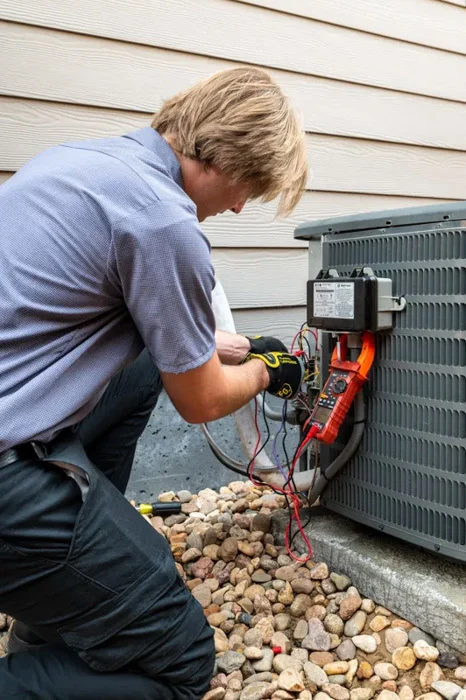
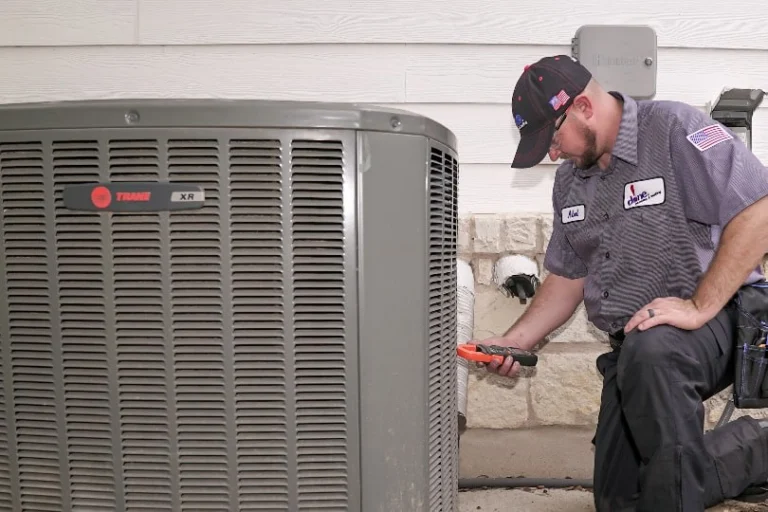
Installing a ductless mini-split requires running refrigerant lines, electrical wiring, and a condensate drain line through the wall from the indoor unit to the outdoor compressor. Done handles the complete installation: selecting the right unit capacity, mounting the indoor air-handler at the proper height and location, running the line set through a small (typically three-inch) penetration in the exterior wall, setting the outdoor unit on an appropriate pad or wall bracket, making all electrical connections, pressure-testing and charging the system, and verifying performance before we leave. Most single-zone installations are completed in one day. Contact Done to schedule an in-home assessment and get a recommendation on whether a ductless system fits your home, and ask about financing options available for qualifying installations.