Yes. Done responds to emergency sewer line situations and can dispatch a crew to diagnose and begin repairs quickly. A sewer line failure — whether from a collapse, severe root intrusion, or a backed-up main line — is one of the more serious plumbing emergencies a homeowner can face, and it’s not something to wait on. Sewage backing up into your home creates health hazards, and standing wastewater can damage flooring, subflooring, and walls rapidly.
What Counts as a Sewer Emergency
Not every slow drain is an emergency, but some situations require same-day attention. Call Done right away if you notice any of these:
- Sewage or wastewater backing up into floor drains, tubs, or toilets
- Multiple fixtures draining slowly or gurgling simultaneously — a sign the main line is blocked
- A sewage odor inside the home or a wet, sunken area in the yard above the sewer line
- No drainage at all from any fixture in the house
- Visible sewage pooling in the yard
Any of these points to the main sewer line rather than an individual drain, and the fix goes beyond what a plunger or drain cleaner can address.
How Done Diagnoses the Problem
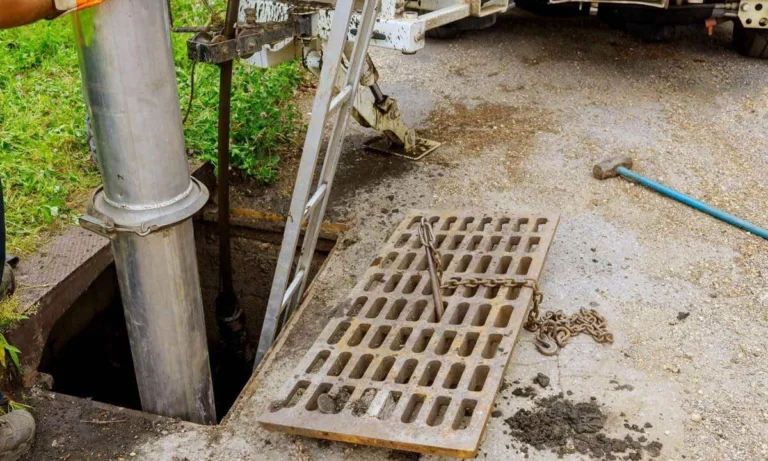
Emergency sewer calls start with a camera inspection whenever possible. Running a small camera through the line tells our technicians exactly what they’re dealing with — a root mass, a pipe collapse, a belly (a sagged section that holds standing water), a bad joint, or a blockage from debris. Knowing the cause before choosing a repair method saves time and prevents digging unnecessarily.
Colorado soils add complexity here. The expansive clay soils across much of the Denver metro shift significantly with moisture changes — the wet-dry cycles from snowmelt and summer storms cause underground pipes to shift, sag, or crack over time. In older Denver neighborhoods, clay tile or Orangeburg (a pressed-paper pipe) sewer lines from the mid-20th century are still in service and are particularly prone to this kind of failure. A camera inspection tells us what material we’re dealing with and where the problem is located.
Repair Options: Trenchless vs. Traditional
Once the cause is identified, Done offers both trenchless and conventional repair options. Trenchless methods — pipe lining (also called CIPP, cured-in-place pipe) and pipe bursting — repair or replace the sewer line with minimal digging. For most homeowners, this means their yard, driveway, and landscaping stay largely intact. Pipe lining works by inserting a resin-saturated liner into the existing pipe and curing it in place, creating a new pipe within the old one. Pipe bursting fractures the old pipe outward while pulling new pipe in behind it.
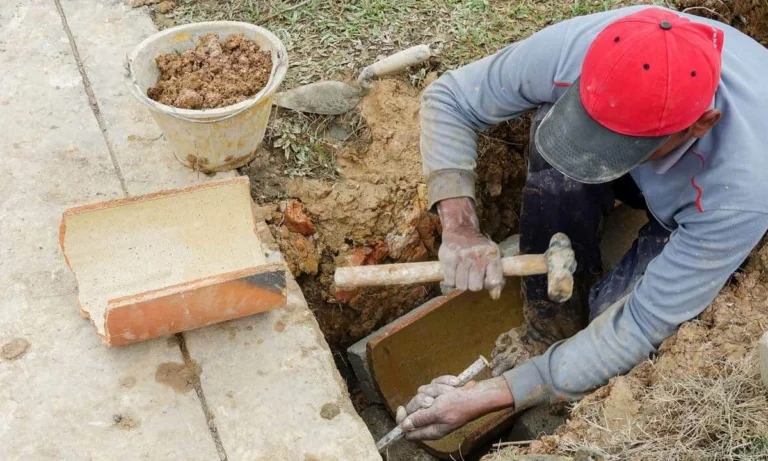
Traditional open-cut repair is still the right approach in some situations — when the pipe has fully collapsed over a long section, when access is needed for other reasons, or when trenchless methods aren’t feasible given the pipe’s condition or depth. Done will explain which method fits your situation and why before any work begins.
What to Do While You Wait for the Crew
If sewage is backing up into the home, stop using all water-using fixtures immediately — toilets, sinks, washing machine, dishwasher. Using them will push more wastewater into the already-blocked line. If there’s standing sewage on floors, avoid direct contact and keep children and pets away from the affected area. Don’t use chemical drain cleaners in a sewer backup situation — they’re ineffective against a main line blockage and can be hazardous when mixed with sewage.
Done’s emergency drain cleaning team is ready to respond. For sewer line repair and replacement — including trenchless options — visit our sewer services page. If you want to learn more about pipe lining as a repair option, our pipe lining page has the details.