Gas lines in a residential home should be professionally inspected every three to five years under normal conditions. If your home is older, you’ve had any recent construction or landscaping that disturbed underground lines, you’ve noticed a rotten-egg smell, or your gas appliances have been running differently than usual, schedule an inspection promptly rather than waiting for your next routine interval. Gas leaks are a serious safety hazard, and regular inspections are the most reliable way to catch developing problems before they become emergencies.
What a Professional Gas Line Inspection Covers
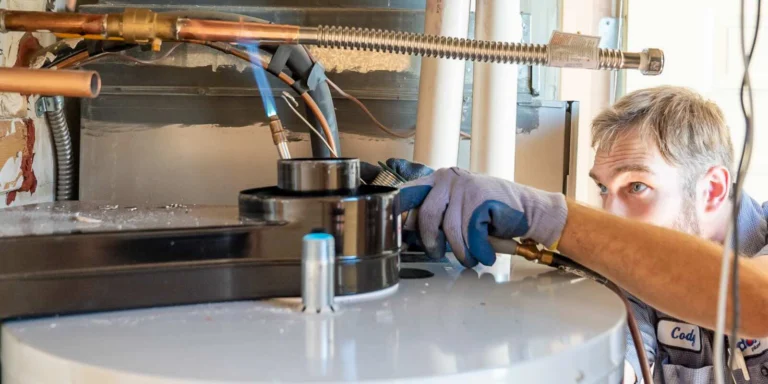
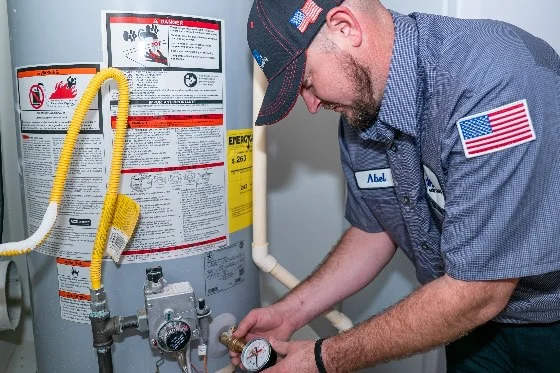
A licensed technician inspects the entire gas distribution system inside and around your home. This starts at the meter and follows the supply line through the house to each appliance connection. The technician checks for corrosion on exposed steel lines, looks for improper connections or unsupported pipe runs, tests flexible connectors at each appliance (these have a limited service life and should be replaced periodically), and verifies that all shutoff valves operate correctly and aren’t stuck or corroded in place.
Pressure testing is a key part of a thorough inspection. The system is isolated and pressurized, and a gauge monitors whether it holds pressure over time. A drop indicates a leak somewhere in the system. Technicians also use combustible gas detectors to sniff for any escaping gas at fittings, joints, and appliance connections — a method that can locate even very small leaks that would not be detectable by smell.
Signs You Should Call for an Inspection Now
- You smell sulfur or rotten eggs anywhere in or around the home — this is the odorant (mercaptan) added to natural gas specifically so leaks can be detected
- You hear a hissing sound near a gas appliance or line
- Gas appliance pilot lights keep going out or burners produce orange or yellow flames instead of blue
- Your gas bill has increased without a corresponding increase in usage
- Recent digging, construction, or tree removal occurred near the underground gas service line
If you smell gas strongly, do not attempt to locate the source yourself. Leave the home immediately, avoid using light switches or any electrical devices, and call your gas utility’s emergency line and 911 from outside or a neighbor’s phone. This is not a situation for a scheduled inspection — it requires immediate emergency response.
Flexible Connectors: the Component Most Often Overlooked
The corrugated stainless steel flexible connectors that link appliances like dryers, ranges, water heaters, and furnaces to the gas supply line are often the weakest point in the system. Older connectors made of uncoated brass or aluminum have been recalled or are no longer code-compliant. Even modern corrugated stainless connectors have a recommended service life — most manufacturers suggest replacement every eight to ten years. During an inspection, a technician will identify connectors that are kinked, corroded, too long, or approaching end of life and recommend replacement before they develop a leak.
Underground Gas Lines: Special Considerations in Colorado
If your home has underground gas service from the meter to an outbuilding, pool heater, or outdoor kitchen, those buried sections warrant attention during any inspection. Colorado’s clay soils shift with freeze-thaw cycles and changes in moisture content, and that movement can stress underground pipe joints over decades. Corroding older steel pipe can develop pinhole leaks underground where they are not immediately obvious. A pressure test that includes the buried sections is the only way to confirm their integrity.
Who Should Perform Gas Line Inspections
Gas line inspection and any repair work must be performed by a licensed plumber or gas fitter — not a general handyman. In Colorado, working on gas lines without the proper license is both illegal and genuinely dangerous. Improper repairs can create leak points that are worse than what they were meant to fix, and improperly supported or routed lines can fail under normal operating conditions. When you hire Done, you are working with licensed professionals who carry the required credentials and know current Colorado code requirements for residential gas systems.
For gas line concerns, our licensed plumbers can inspect your system, pressure-test lines, and replace aging connectors or deteriorated sections. Explore our plumbing services or reach out through our contact page to schedule. If you are concerned about a potential gas issue right now, our emergency plumbing team is available around the clock.