Installing a water softener removes the dissolved calcium and magnesium that make Denver-area water so hard, protecting your plumbing, appliances, and water heater from scale buildup while improving the way water feels and performs throughout your home. Colorado’s Front Range is known for particularly hard water, and the long-term benefits of treating it go well beyond soap lathering better in the shower.
Why Hard Water Is a Real Problem in the Denver Metro
Denver-area water picks up calcium and magnesium as it moves through Colorado’s mineral-rich geology. The result is water that leaves scale deposits everywhere it flows — inside pipes, on heating elements, inside water heaters, and on every fixture surface it touches. You’ve seen it: the white crust around faucet aerators, the cloudy film on shower glass, the spots on dishes straight out of the dishwasher.
That same scale accumulates inside your pipes over years, gradually narrowing the interior diameter and reducing water pressure. It coats the heating element in your water heater, forcing it to work harder to heat the same amount of water — and shortening the heater’s lifespan in the process. A water softener stops that buildup at the source.
Appliance and Water Heater Protection
Your water heater, dishwasher, washing machine, and coffee maker all suffer in hard water. Scale insulates heating elements from the water they’re supposed to heat, reducing efficiency and accelerating wear. Studies have found that water heaters operating on hard water can lose a significant portion of their efficiency rating within just a few years — and tankless water heaters are especially vulnerable because scale accumulates in the narrow heat exchanger passages.
Softened water extends appliance life across the board. Dishwashers clean more effectively without needing extra rinse aid. Washing machines rinse clothes more thoroughly. Water heaters maintain their efficiency longer between service visits. The avoided replacement costs and efficiency gains often pay back the cost of the softener over its lifespan.
Better Results from Soap and Detergent
Hard water interferes with soap’s ability to lather. Minerals in the water react with soap and form insoluble compounds — the film you feel on your skin after a shower in hard water and the soap scum that builds up on shower walls. Softened water lathers freely, rinses clean, and leaves skin and hair noticeably softer. Many homeowners find they use significantly less shampoo, body wash, dish soap, and laundry detergent after installing a softener.
Cleaner Fixtures and Less Cleaning Time
Scale deposits on faucets, showerheads, and shower doors require regular scrubbing with acidic cleaners to remove. With softened water, those deposits stop forming. Fixtures stay cleaner with less effort, and glass shower doors maintain their clarity without constant treatment. That’s a meaningful quality-of-life improvement for households tired of fighting mineral buildup every week.
- Prevents scale buildup inside pipes, fixtures, and appliances
- Extends water heater life — critical with Colorado’s hard water
- Improves efficiency of water-using appliances
- Reduces soap and detergent usage throughout the home
- Leaves skin and hair feeling softer after bathing
- Keeps fixtures cleaner with less scrubbing
What to Know Before You Install
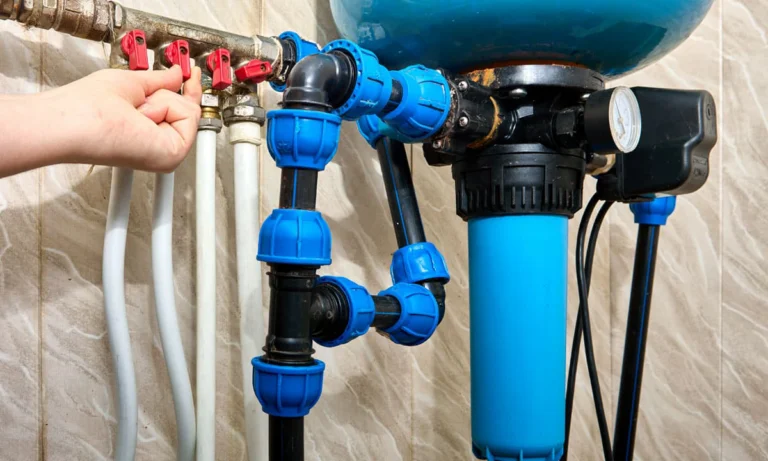
Ion-exchange water softeners — the most common type — work by exchanging calcium and magnesium ions for sodium ions using a resin bed. The system regenerates periodically by flushing the resin with a brine solution. Salt-free conditioners are an alternative that alter the form of minerals without removing them; they prevent scale without adding sodium, though they don’t provide the same full softening effect.
Right-sizing the softener to your household’s water usage and hardness level is important — an undersized unit regenerates too frequently and wastes salt; an oversized unit is an unnecessary expense. Done’s team can test your water and recommend the right system for your home.
Learn more about water treatment options on our water quality and treatment page, or pair a softener with a water heater maintenance visit to descale your existing unit and start fresh. Financing options are available to help spread the cost.