Regular plumbing inspections catch small problems before they become expensive emergencies. A pipe joint that’s showing early signs of corrosion, a water heater with significant sediment buildup, or a sewer line with early root intrusion are all conditions that cost relatively little to address when caught in routine inspection — and a great deal more to deal with after a failure. For Denver-area homeowners, the combination of hard water, expansive clay soils, and cold-snap freeze risk makes proactive plumbing inspection especially valuable.
Preventing Water Damage — the Costliest Plumbing Outcome
The most financially significant benefit of regular plumbing inspections is the reduction in water damage risk. A pinhole leak behind a wall or under a slab can go unnoticed for months, quietly soaking insulation, framing, and drywall. By the time water staining appears on a ceiling or wall, significant damage is usually already done — and mold can establish within 24–48 hours of moisture exposure. A plumbing inspection that includes checking supply line condition, water heater connections, and accessible pipe joints intercepts these slow leaks before they escalate to a remediation project.
Catching Hard-Water Damage Early
Denver’s water supply is notoriously hard, carrying significant dissolved calcium and magnesium from its snowmelt origins. That mineral load does predictable damage over time: it builds up inside water heater tanks (insulating the heating element and reducing efficiency), deposits on faucet aerators and showerheads, and — in homes with older galvanized or copper pipes — accelerates internal corrosion. A plumber inspecting a water heater can catch sediment buildup before it shortens the unit’s life, check the anode rod condition, and recommend flushing the tank — a simple maintenance step that meaningfully extends water heater lifespan. Addressing hard water proactively through a water softener or filtration system reduces this damage systemically.
Sewer Line Health and Root Intrusion
The main sewer line running from the house to the city connection is out of sight and almost never thought about until it fails. In Denver-area neighborhoods with mature trees and clay sewer lines — common in homes built through the 1970s — root intrusion is a predictable long-term problem. Roots seek moisture and find their way into pipe joints and small cracks, then grow until they restrict flow or cause a full blockage. A periodic sewer camera inspection lets a plumber see exactly what’s happening inside the line, identify root growth in early stages, and recommend hydrojetting or pipe lining before a root mass causes a backup. Catching this at inspection is far less disruptive and less expensive than dealing with a sewer backup and potential yard excavation.
What a Thorough Plumbing Inspection Covers
A comprehensive plumbing inspection from Done evaluates the full system, not just the visible fixtures:
- Water supply lines: Checking for corrosion, scale buildup, and signs of pinhole leaks at joints and connections
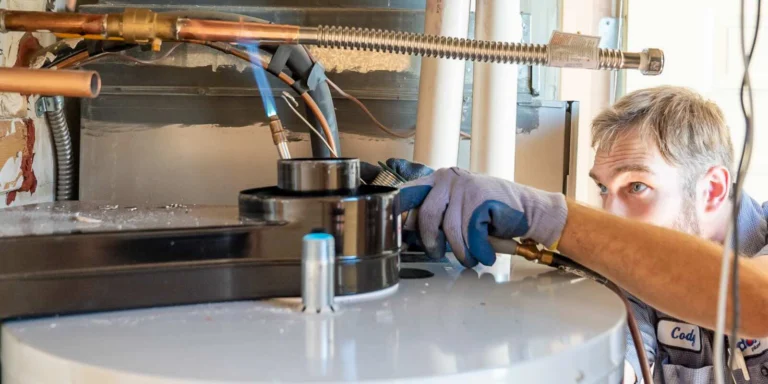
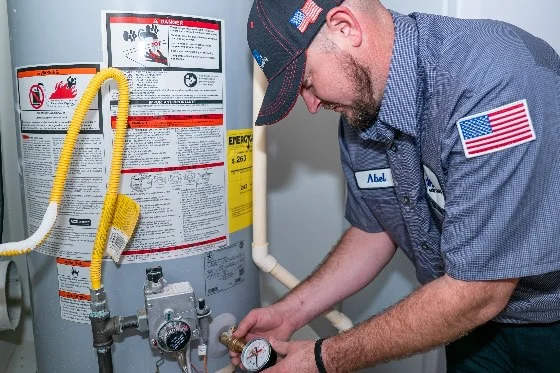
- Water heater: Sediment level, anode rod condition, temperature and pressure relief valve operation, and signs of tank corrosion
- Drain lines and P-traps: Flow rate, signs of slow drainage indicating buildup, and physical condition of accessible drain components
- Fixtures and supply valves: Faucet and toilet function, valve operation (shut-offs that haven’t been operated in years can seize), and flapper condition
- Water pressure: Checking incoming pressure and PRV function if one is installed
- Sewer line camera (optional add-on): Visual inspection of the main sewer line to assess root intrusion, pipe condition, and any bellies or offsets
How Often Should Denver Homeowners Schedule Inspections?
For most homes, a plumbing inspection every two to three years is a reasonable baseline. Homes over 30 years old, homes with a history of plumbing issues, or homes with significant hard water damage may benefit from annual inspections. If you’re buying a home, a plumbing inspection — including a sewer camera — is one of the highest-value add-ons to a standard home inspection, particularly for older Denver-area homes where cast iron drain lines and galvanized supply pipes may be approaching the end of their service life.
The Financial Case for Proactive Inspections
A plumbing inspection costs a fraction of what most repairs cost — and a tiny fraction of what water damage remediation costs. Homeowners who schedule regular inspections almost always spend less on plumbing over a decade than those who wait for something to break. The inspection also provides peace of mind: knowing the condition of your plumbing system lets you plan for repairs or replacements on your timeline rather than responding to emergencies.
Done’s plumbers serve the Denver metro and can schedule a comprehensive plumbing inspection at your convenience. Explore Done’s full plumbing services, learn about water heater maintenance, or ask about sewer camera inspection as part of your next inspection visit. If something needs repair, financing options are available.