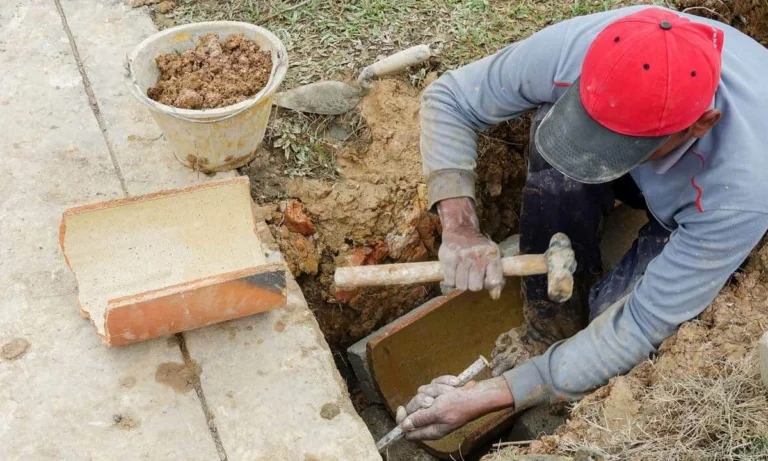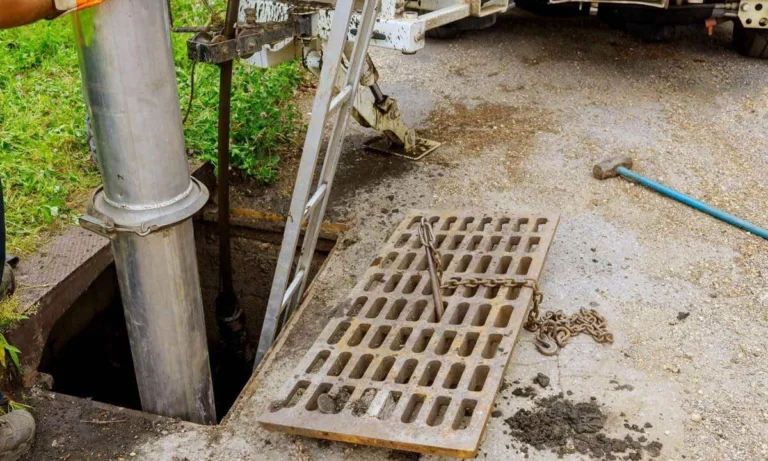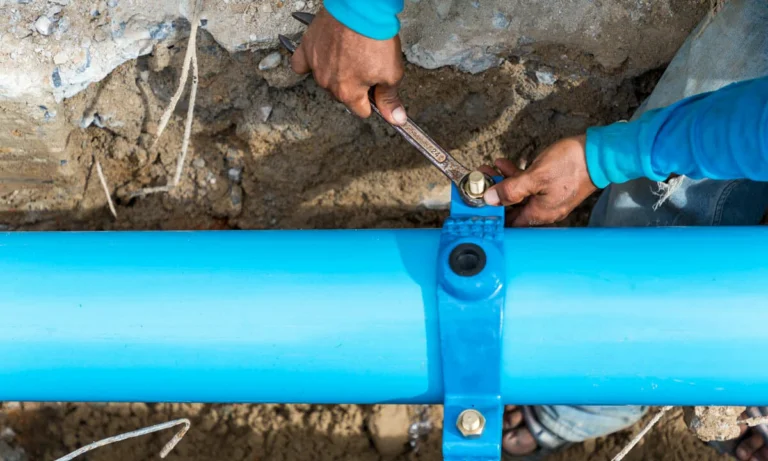
After a sewer excavation, Done backfills, compacts, and grades the trench, then restores whatever surface was disturbed — lawn, concrete, asphalt, or pavers — before the job is closed out. Surface restoration is part of the project scope, not a separate contractor you have to arrange yourself.
Backfill and Compaction: The Foundation of a Good Restoration
A trench that isn’t properly backfilled and compacted will settle over time, leaving a sunken strip across your yard or a dip in your driveway. Done uses engineered fill — typically compacted gravel bedding around the pipe itself, followed by structural fill or native soil in lifts — to restore the trench to its original load-bearing capacity. Each lift is mechanically compacted before the next goes in. This matters especially in Denver’s clay soils, where poorly compacted backfill holds moisture differently than the surrounding ground and can lead to the same kind of settling and movement that damaged the pipe in the first place.
Lawn and Landscaping Restoration
Excavated soil is staged on tarps during the job to protect turf and garden beds where possible. After backfill and compaction, the disturbed lawn area is brought to finish grade — meaning it matches the surrounding ground level. Depending on the time of year and the restoration scope agreed upon at the estimate stage, the area may be seeded, sodded, or left prepared for the homeowner to finish. Done will be clear about what is included before work starts. Shrubs, garden beds, and irrigation lines in the work zone are identified before digging so the crew can work around them or, when unavoidable, reinstall them after the trench is closed.
Concrete and Asphalt Restoration
When the sewer line runs beneath a concrete driveway, patio, sidewalk, or garage floor, Done saw-cuts the surface before breaking it. Clean saw cuts produce straight edges that are far easier to patch neatly than jagged breaks from a jackhammer alone. After backfill and compaction, new concrete is poured and finished to match the surrounding surface as closely as reasonably possible. Color and texture of aged concrete will not be a perfect match — that’s honest — but the patch is structurally sound and professionally finished. Asphalt over a sewer trench is cold-patched immediately and may be hot-mix patched after the ground has had time to settle, depending on municipality requirements.
Interior Slab Work
When a drain line beneath a basement slab or main-floor concrete requires excavation — common in Denver’s older homes with original cast-iron drain stacks — the same saw-cut approach applies inside. Concrete is cut, the drain work is completed, and the slab is poured back and finished to grade. Done manages the concrete work as part of the plumbing scope so you aren’t coordinating separate trades.
What to Expect in the Days After
Some settling is normal in the weeks after a trench is backfilled, particularly in Denver where clay soils shrink and expand with moisture changes. If significant settling occurs after the job is closed, contact Done — the work is backed by our guarantee. A final sewer camera inspection is run before the crew leaves to confirm the new pipe is correctly seated, properly sloped for drainage, and free of debris from the work. You should have documentation of that inspection for your records, which is useful if you ever sell the home.
- Trench backfilled in compacted lifts, not dumped in all at once
- Lawn areas brought to finish grade and seeded or sodded per agreed scope
- Concrete saw-cut before breaking for cleaner patches
- Asphalt cold-patched immediately, hot-mix patch follows after settling
- Interior slab poured and finished as part of the drain scope
- Final camera inspection before job close-out
To get a clear picture of what restoration will look like for your specific property before work begins, talk to our sewer team. And if the scope of the project is a concern, ask about financing options — we offer plans that make larger repairs manageable.