A water heater needs annual maintenance to stay efficient, extend its lifespan, and avoid unexpected failures. The core tasks are flushing sediment from the tank, inspecting the anode rod, testing the pressure relief valve, and checking the burner or heating elements. In Denver’s hard water environment, skipping these steps shortens equipment life and drives up energy bills faster than most homeowners realize.
Why Denver’s Hard Water Makes Maintenance Non-Negotiable
The Front Range is known for hard water — high in dissolved calcium and magnesium minerals. Every time your water heater heats that water, minerals precipitate out and settle to the bottom of the tank as scale. Over time, that sediment layer insulates the water from the burner (on gas units) or coats the heating elements (on electric units), forcing the system to work harder and longer to reach temperature. You’ll hear it as a popping or rumbling noise from the tank. Annual flushing removes that sediment before it becomes a serious efficiency and reliability problem.
Flushing the Tank
To flush the tank, you connect a hose to the drain valve at the bottom of the unit and let the water run until it clears. On tanks with heavy buildup, you may need to stir the sediment by briefly letting cold water back in before the final drain. This is a task a confident DIYer can handle on a newer unit with a functioning drain valve — but older valves often seize or leak when opened for the first time in years, so having a plumber do it avoids the risk of creating a bigger problem.
Inspecting and Replacing the Anode Rod
The anode rod is a magnesium or aluminum rod inside your tank that sacrificially corrodes to protect the steel tank lining. It’s the most important longevity component in a traditional tank water heater, and it should be inspected every two to three years. In hard water areas like Denver, anode rods can deplete faster than the manufacturer’s estimate. When the rod is consumed down to the wire core, the tank itself starts to corrode — and a corroded tank can’t be saved. Replacing the anode rod is inexpensive; replacing the water heater is not.
Testing the Pressure Relief Valve
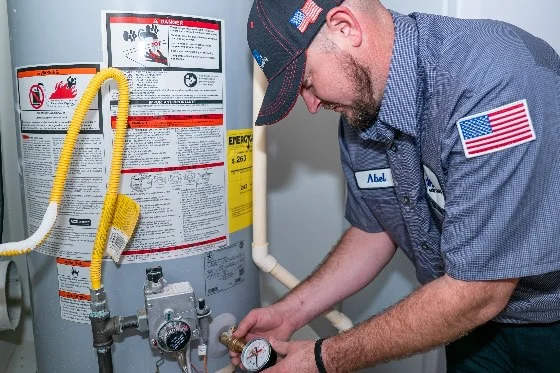
The temperature and pressure (T&P) relief valve is a safety device that opens if pressure or temperature inside the tank climbs to dangerous levels. It should be tested annually by briefly lifting the test lever — you should hear water discharge into the drain tube. If the valve doesn’t release, leaks continuously after testing, or is more than a few years old without a test, it should be replaced. A failed T&P valve on a malfunctioning water heater is a serious safety risk.
What a Done! Water Heater Maintenance Visit Covers
- Full tank flush to remove sediment
- Anode rod inspection and replacement if needed
- T&P valve test and condition check
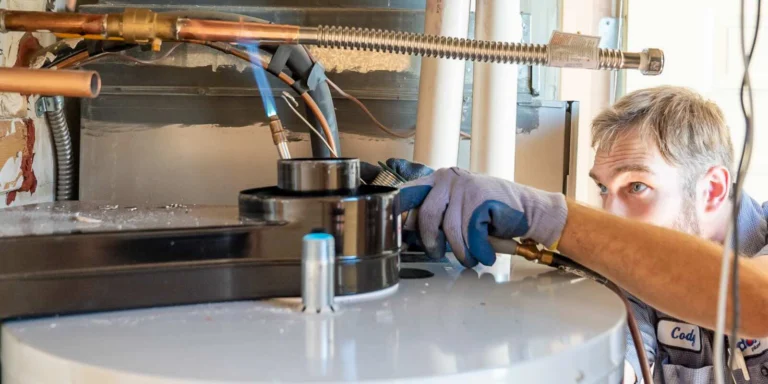
- Burner inspection and pilot assembly check (gas units)
- Heating element test (electric units)
- Flue and venting inspection (gas units)
- Overall condition assessment with honest replacement timeline guidance
Tankless Water Heater Maintenance
Tankless units have different maintenance needs — primarily descaling the heat exchanger with a vinegar or citric acid flush to remove mineral buildup. The inlet filter screen also needs periodic cleaning. In Denver’s hard water, tankless heaters benefit from annual descaling to maintain flow rate and efficiency. A water softener upstream significantly reduces the maintenance burden on any water heating equipment.
Whether you have a traditional tank or a tankless system, Done! can keep it running at peak efficiency. Visit our water heater maintenance page to schedule a service visit, or learn about water quality treatment options that reduce scale buildup on all your plumbing fixtures.