Updated: January 16, 2026
Seeing mold in your toilet bowl, behind the toilet, or under the tank can feel confusing, especially if you clean regularly. In most homes, recurring toilet mold isn’t about cleanliness. It’s about moisture showing up where it shouldn’t.
Toilets deal with water all day, every day. Add hidden leaks, condensation, or trapped humidity, and mold or fungus can start growing before you ever notice a problem. In Denver-area homes, those issues can be harder to spot thanks to dry winters, sudden temperature swings, and bathrooms that don’t always ventilate well.
At Done! Plumbing, Heating, Cooling & Electric, we help homeowners track down the plumbing and moisture issues that allow mold to keep coming back. While we don’t perform mold remediation, we do fix the leaks, pressure problems, and ventilation issues that often cause mold to appear in the first place.
Below, we’ll walk through why mold forms in different parts of the toilet, what it usually means, and when it’s time to take a closer look.
Why Is There Mold in My Toilet?
Mold needs two things to grow: moisture and time. Toilets provide both.
Even if you never see water on the floor, moisture can come from:
- Slow plumbing leaks
- Condensation on cold porcelain
- Trapped humidity in the bathroom
- Worn seals beneath the toilet
Because these issues are often subtle, mold can show up long before there’s an obvious plumbing failure.
Mold Growing in the Toilet Bowl
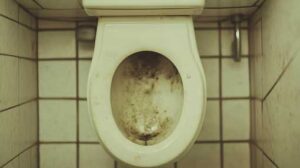
Mold or fungus in the toilet bowl is one of the most common concerns homeowners search for. It often appears as dark rings, spots, or streaks that return quickly after cleaning.
Common causes include:
- Standing water that doesn’t circulate often
- Mineral buildup that mold can cling to
- High bathroom humidity
- Bathrooms that stay cool for long periods, especially overnight
If mold in the bowl keeps returning despite regular cleaning, it’s often a sign that moisture levels in the bathroom are staying elevated, not that you’re doing anything wrong.
Mold Under or Inside the Toilet Tank
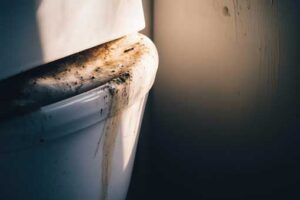
Mold under the toilet tank or along the back of the tank is usually tied to condensation.
Cold water constantly refills the tank. When that cold porcelain meets warmer, humid air — especially after showers — moisture can collect on the outside of the tank and drip down slowly over time.
This is especially common in homes where:
- Bathrooms lack consistent ventilation
- Winter heating dries the air, then showers reintroduce moisture quickly
- The tank sits close to walls with limited airflow
Over time, that moisture can lead to mold growth behind the toilet or along the floor beneath it.
Mold Behind the Toilet or Along the Base
Mold behind the toilet or around the base often points to hidden moisture, not surface spills.
Two common causes are:
- A slow leak from the toilet seal
- Condensation that runs down the back of the tank and gets trapped
In many cases, there’s no standing water and no noticeable smell. Moisture collects just enough to affect flooring or subfloor materials beneath the toilet, creating the perfect environment for mold to grow out of sight.
Mold Under the Toilet
Mold under the toilet almost always means moisture is getting below the fixture.
This is often caused by:
- A worn or failing seal beneath the toilet
- Minor movement of the toilet over time
- Pressure issues that stress the seal during flushing
Because this moisture stays hidden, mold may be the first visible warning sign that something underneath needs attention.
How to Reduce the Moisture That Causes Toilet Mold
Cleaning mold can help temporarily, but preventing it means controlling moisture.
Helpful steps include:
- Running the bathroom fan during showers and afterward
- Keeping humidity levels in check
- Addressing recurring condensation on the tank
- Paying attention to mold that returns quickly or spreads
If mold keeps appearing in the same areas, it’s usually worth checking whether moisture is coming from a plumbing issue rather than the air alone.
When Mold Points to a Plumbing Problem
In some situations, a mold specialist may be the right next step. In others, mold investigations uncover leaks or moisture issues tied directly to plumbing.
That’s where we come in. Done! Plumbing, Heating, Cooling & Electric can inspect:
- Toilet seals, connections, and full replacements
- Hidden leaks beneath or behind the toilet
- Condensation and pressure-related issues
- Bathroom ventilation concerns tied to plumbing layout
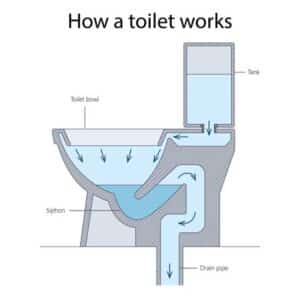
Mold that keeps coming back around a toilet is rarely a surface issue. It’s usually a sign that moisture is getting trapped where you can’t see it — beneath the fixture, behind the tank, or along the plumbing connections. Finding that source early can help prevent damage to flooring, walls, and subfloor materials.
A professional plumbing inspection can identify whether leaks, worn seals, or condensation are contributing to the problem and provide clear guidance on what needs to be addressed to keep moisture under control.