
What Is a Whole House Surge Protector?
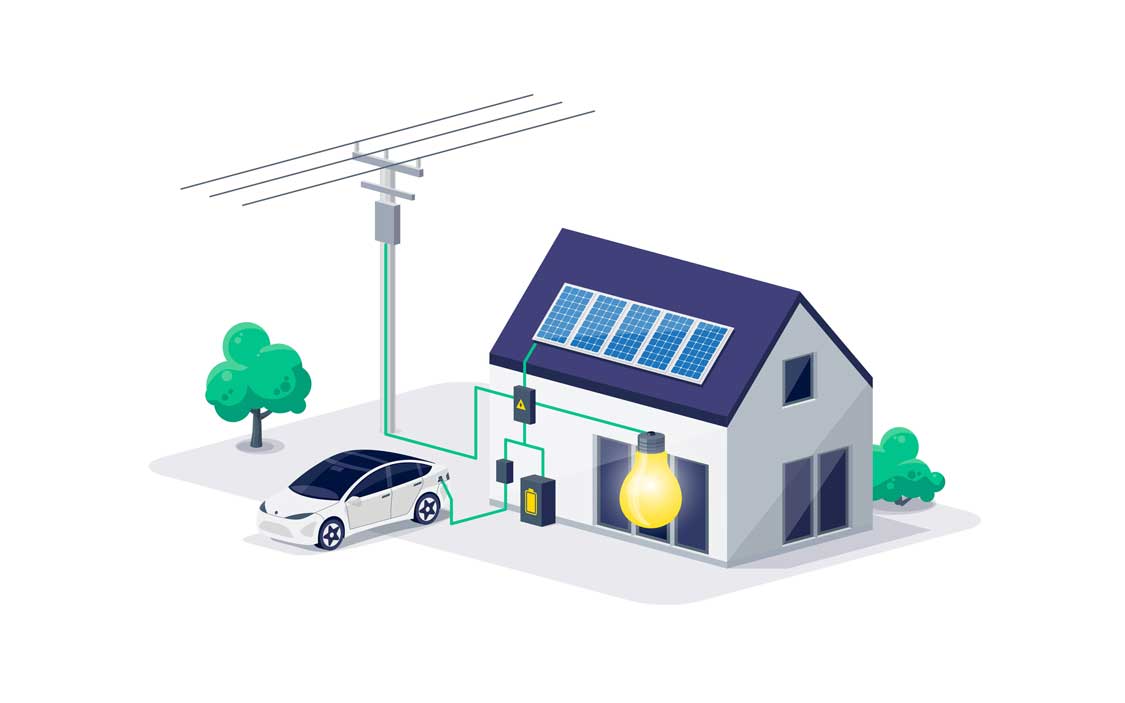
Think of a whole house surge protector as a fast-acting gatekeeper for your electrical system. It’s mounted at your service panel and reacts in microseconds to excess voltage, directing that energy safely to ground before it can move through your circuits.
In everyday terms, it helps protect everything downstream — fridges, HVAC controls, Wi‑Fi gear, TVs, gaming consoles, and smart devices. When the utility grid fluctuates, lightning strikes nearby, or large appliances cycle on and off, the protector clamps the spike and shunts it away from your home’s sensitive electronics.
- Works continuously at the panel, reacting in microseconds to overvoltage
- Helps safeguard all circuits at once, not just a single outlet
- Pairs well with quality point‑of‑use protectors for extra protection on delicate devices
Are Whole House Surge Protectors Worth It?
For many Aurora and Greater Denver homes, yes, a whole-house surge protector is a smart long-term investment. When you compare the cost of the device to the price of today’s appliances, HVAC controls, smart home equipment, and home-office electronics, the math usually speaks for itself. A single surge can ruin a fridge control board, a furnace circuit module, or a high-end TV; each of which typically costs far more than the house-wide protector itself.
If you’re comparing whole-house surge protection vs. outlet surge strips, think about the level of coverage you actually need and how often our region sees storms, grid fluctuations, or utility work. Outlet strips are helpful for sensitive devices, but they only protect whatever is plugged into them. A whole-home unit guards everything in the house, from your HVAC system to your kitchen appliances, and serves as your primary defense.
Outlet surge protectors are still a smart final layer for computers and TVs, but on their own, they don’t provide whole-home protection. For most households, the combination of both offers the strongest, most reliable defense.
Below is a clear look at the biggest pros and cons of whole-house surge protectors to help you decide.
The Pros of Whole House Surge Protectors
Whole‑home coverage from one device: Instead of relying on a dozen separate surge strips, a panel‑mounted solution helps protect every circuit. That means better baseline protection for major appliances, HVAC systems, laundry equipment, and entertainment setups.
Cost‑effective over time: A single, properly rated unit can reduce how many plug‑in strips you need. You’ll get consistent protection throughout your home while cutting clutter and simplifying maintenance. When you’re comparing house surge protector cost, remember it covers more than a few outlets—it supports your entire electrical system.
Safer, more reliable operation: By taming voltage spikes, these devices help lower the risk of equipment damage and electrical fires. Some insurers view surge protection as risk reduction—check your policy to see if there are potential benefits.
Done’s professional installation: Our licensed electricians match the device to your panel, verify grounding and bonding, and install it cleanly and safely. That attention to detail helps ensure dependable performance and compliance with local code.
- Whole‑home defense at the service panel
- Fewer plug‑in surge strips to manage
- Protection for large appliances and HVAC controls
- Installed to code by experienced electricians
The Cons of Whole House Surge Protectors
Upfront investment: You’ll pay for the device and professional installation. House surge protector cost varies based on panel type, grounding, and any upgrades needed. While it’s more than a single outlet strip, remember you’re protecting the entire home.
Limits in extreme events: No surge protector can guarantee protection from a direct lightning strike or severe electrical faults. Whole house units handle most transient surges well, especially when paired with proper grounding and point‑of‑use protection for sensitive gear.
Wear over time: Internal components gradually degrade as they absorb surges. Indicator lights can signal reduced protection, and occasional inspection helps you know when it’s time to replace.
- Not a substitute for solid grounding and bonding
- May require panel coordination or minor upgrades
- Effectiveness depends on device rating and installation quality
If you’re comparing the pros and cons of whole house surge protector options, the trade‑off is straightforward: stronger, consistent protection across your home versus a higher upfront cost and routine check‑ins to keep it performing.
How Long Do They Last?
Most whole house surge protectors last 5–10 years, depending on how often your home sees voltage spikes and the device’s build quality. Homes near busy utility corridors or in storm‑prone areas may see shorter lifespans as the unit does more work.
Watch for signs like a failed status light, a protection trip, or electronics acting up after storms or utility work. If your unit has indicator LEDs, glance at them from time to time and schedule an inspection if anything looks off.
- Frequency and intensity of surges in your area
- Grounding and bonding quality
- Device ratings (joules, clamping voltage, response time)
- Installation quality and panel condition
Whole House vs. Point‑of‑Use — Should You Use Both?
Yes. A whole house protector handles big, external surges and sets a steady baseline. Point‑of‑use protectors add a final layer for delicate electronics, computers, gaming systems, streaming devices, and home office equipment. Using both helps reduce risks from utility‑side events and smaller, internal spikes caused by appliance cycling.
If you’ve wondered, “are surge protectors necessary if I already have a panel unit?” the short answer is that layered protection is best. And if you’re asking “are whole house surge protectors worth it?” they usually are, especially when paired with the right outlet‑level devices for high‑value electronics.
Fast, Reliable Electrical Installations You Can Count On
Since 1999, Done! has helped Denver‑area homeowners protect what matters with electrical work done right the first time. Our licensed electricians install and service whole house surge protectors, verify grounding and bonding, and ensure your panel is set up for dependable protection.
We move quickly, explain your options clearly, and provide transparent pricing with no hidden fees. From surge protection and panel upgrades to dedicated circuits and EV chargers, we keep your home safe and running smoothly—so you can get on with your day.
Ready to protect your home from unexpected voltage spikes? Call Done! for straightforward recommendations and same‑day service. One Call… It’s Done!