
HB23-1161 in Plain Language
HB23-1161 sets updated efficiency and emissions standards for new gas furnaces, water heaters, and many boilers installed in Colorado starting January 1, 2026.
It does not:
- Ban natural gas
- Require removing working appliances
- Affect cooking appliances, including gas stoves
- Force homeowners to make changes before their equipment wears out
Why the change? Ultra-low NOx equipment helps reduce smog-forming emissions, and better efficiency can lower monthly bills. For most homes, you’ll see cleaner burn, steady performance, and equipment that’s matched to the demands of Denver winters. As this shift happens, organizations like the Colorado Oil and Gas Association continue to weigh in on broader energy policy, but day to day, homeowners mainly need to understand how HB23-1161 affects replacement choices.
Are Gas Appliances Being Banned? What About Stoves?
Short answer: No.
The “gas stove ban” rumor began during national conversations in 2023, but no federal or Colorado ban ever passed. HB23-1161 does not apply to stoves or ranges, and you can continue to use your existing cooking appliances without restriction.
- Gas stoves are not being banned in Colorado.
- Your existing appliances can remain in place.
- Replacements after January 1, 2026 must meet updated standards under HB23-1161.
If you currently have a gas stove, furnace, water heater, or boiler, you may continue using it as long as it’s safe and functional. Only replacements after Jan 1, 2026 must meet updated emissions and efficiency standards.
Which Appliances Are Affected in 2026?
The updates center on the equipment that handles home heating and hot water. Knowing what’s included helps you budget, plan timing, and avoid last-minute decisions.
Gas Furnaces
After January 1, 2026, new gas furnaces must meet ultra-low NOx and higher efficiency requirements. These models use modern burners, advanced heat exchangers, and precise airflow controls. When sized and tuned properly, they offer:
- Stable heat
- Lower emissions
- Better energy use
- Quieter operation
If you’re considering a furnace replacement, our team ensures the model matches altitude, ductwork, and heat load.
Gas Water Heaters
Both tank and tankless water heaters must meet updated performance standards. Compliant systems deliver cleaner combustion and improved efficiency while maintaining strong hot-water recovery.
Key factors Done! evaluates:
- First-hour rating
- Venting path
- Gas supply
- Size and location of your current system
Boilers
Coverage depends on boiler type. Hydronic and radiant systems may require compliant replacements starting in January 2026. If your home uses a boiler, our technicians will verify whether the rule applies and present the correct replacement options.
Gas Appliances Not Affected
- Gas stoves
- Gas cooktops
- Most decorative fireplaces
What This Means for Your Denver Home
For most homeowners, HB23-1161 impacts when and how you replace older heating and hot-water appliances, not your daily routine.
Timing & Planning
Expected lifespans:
- Furnaces: 12–20 years
- Storage water heaters: 8–12 years
- Tankless water heaters: 15–20 years
If your system is aging, uncomfortable, or inefficient, planning ahead may help you avoid winter emergencies or supply shortages. If it’s working well, you can wait.
Equipment Availability
Manufacturers are already producing compliant ultra-low NOx models. After January 1, 2026, options consolidate, which may influence:
- Pricing
- Seasonal availability
- Installation timing
Done! keeps a close eye on inventory so you have reliable choices year-round.
Costs & Value
Compliant models can cost more upfront because of advanced combustion and controls. But with proper installation, tuning, and ventilation, they help stabilize monthly bills and reduce service issues.
We focus on whole-system performance:
- Combustion analysis
- Proper airflow
- Heat exchanger safety
- CO testing
- Venting design
- Gas supply verification
Should You Replace Your Gas Furnace Before 2026, or Wait?
There’s no one-size-fits-all answer. Here’s a simple breakdown:
Reasons to Consider Replacing Before 2026
- More model choices now
- Current inventory is lowest now, and prices will rise once new compliant models release
- Less risk of supply constraints
- Off-season installation and smoother scheduling
- Opportunities for rebates or incentives
- Immediate comfort improvements
Reasons to Wait
- Your system is newer and efficient
- You want to maximize existing equipment lifespan
- You’re planning other renovations later
- You prefer to upgrade only when needed
Who Benefits Most From Early Replacement
- Homes with equipment 10–15+ years old
- Frequent repairs or rising energy costs
- Hot-water inconsistencies or cold spots
- Remodels or basement finishes
- Systems that show combustion or venting concerns
Quick Decision Checklist
Ask yourself:
- How old is your system?
- Are comfort issues increasing?
- Are winter utility bills rising?
- Have you had multiple repairs?
- Can you schedule off-season?
If several answers raise red flags, planning ahead is worthwhile.
How to Prepare for 2026 Colorado Gas Changes: Practical Steps
A little planning now can save time, money, and stress later. Here’s a simple path to stay ahead of HB23-1161.
1) Know the Age of Your Systems
Find model and serial numbers or check past invoices. Most manufacturers encode dates clearly.
2) Book a Performance & Safety Evaluation
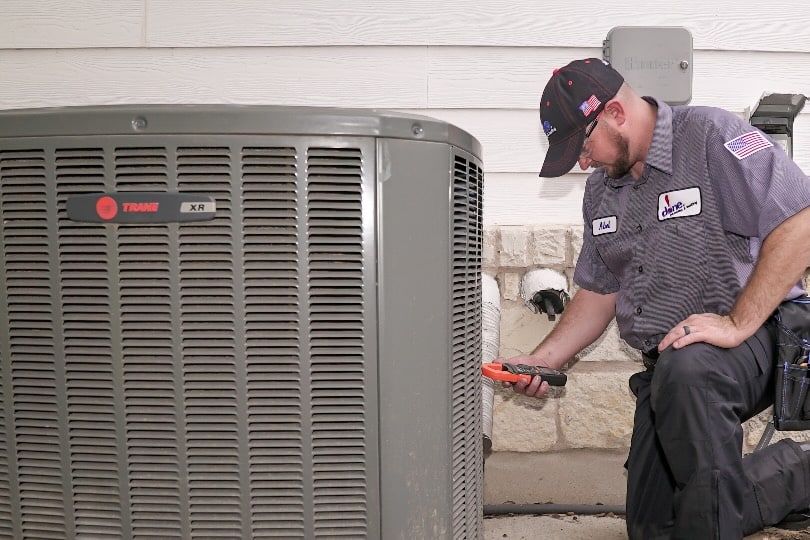
A Done! plumber or HVAC technician can benchmark:
- Static pressure
- Venting condition
- Gas supply
- Combustion quality
- Heat exchanger integrity
- Water heater recovery
You’ll receive a clear picture of risk, remaining lifespan, and replacement options.
3) Watch for Warning Signs
Pay attention to:
- Short cycling
- New noises or soot
- Rising utility use
- Hot-water delays
- Leaks or rust
These often signal that failure is approaching.
4) Avoid Emergency Replacements
Spring and fall are ideal. Peak winter demand leads to tighter schedules and higher strain on inventory.
5) Build a Realistic Budget
Compare:
- Upfront cost
- Expected lifespan
- Efficiency and utility impact
- Warranty coverage
- Optional add-ons (humidifiers, IAQ, smart controls)
Ask for written proposals — Done! always provides clear, line-item pricing and no hidden fees.
The 2026 Standards Could Affect Pricing and Scheduling
With ultra-low NOx and efficiency standards becoming mandatory:
- Costs may rise as manufacturers redesign equipment
- Inventory may tighten near the deadline
- Scheduling will likely get busier as homeowners rush to replace aging units
Replacing earlier gives you:
- Wider choices
- More installation windows
- Less pressure during extreme weather
Our team helps you compare 2026-compliant and current models side-by-side so the decision stays clear and predictable.
Comparing Your Options: Gas, Hybrid, and Smart Upgrades
Even with new rules, Colorado natural gas remains a strong option for many homes.
Here’s how choices compare:
Ultra-Low NOx Gas Systems
- Cleaner emissions
- Reliable performance in cold weather
- Available in both standard and condensing options
Condensing Technology
- Higher efficiency
- Lower flue temperatures
- Requires proper condensate setup
Smart Controls
Thermostats and zoning tools help:
- Manage energy use
- Improve comfort
- Catch issues early with alerts
Done! will walk you through function, fit, and long-term costs — not just specs.
We’ll outline trade-offs, expected performance in Colorado winters, and lifetime costs, including the role of Colorado natural gas pricing. While broader energy discussions, often involving the Colorado Oil and Gas Association and Colorado oil and gas stakeholders, continue at the state level, we focus on your home’s best path today.
Why Homeowners Choose Done!
Since 1999, Done has helped thousands of Colorado homeowners navigate gas appliance replacements, upgrades, and the evolving energy rules with clarity and confidence.
Fast, dependable service
We respect your time. From quick scheduling to well-prepared teams, we work efficiently and aim for first-try success. When you need a gas furnace replacement or a water heater upgrade, we move fast without cutting corners.
Transparent, honest pricing
No hidden fees, no surprises. You’ll receive a written proposal with clear scope and firm pricing. If a repair makes more sense than replacement, we’ll say so. If the Colorado 2026 gas rules affect your choices, we’ll explain exactly how.
Right-sized recommendations
We measure, calculate, and verify—so your equipment is sized and tuned for your home, altitude, and venting. That includes combustion analysis, carbon monoxide checks, and airflow testing. The result: reliable performance and fewer callbacks.
Clean, careful workmanship
We treat your home with respect. Expect tidy work areas, attention to safety, and installation details done correctly—venting, gas supply, condensate handling, and controls.
Local knowledge, steady guidance
From winter storms to altitude derating, we plan for Colorado’s realities. We keep up with HB23-1161 and the latest updates tied to gas in Colorado, so you’re never left guessing. While policy groups like the Colorado Oil and Gas Association continue broader conversations about Colorado oil and gas, we focus on what helps your home run smoothly today.
Plan Ahead with Done!
Preparing now means fewer surprises later.
Your Next Steps
- Book a performance & safety evaluation
- Review compliant and current model options
- Build a budget that fits your home and timeline
- Set up routine maintenance to extend lifespan
- Request a written proposal with financing options
When you’re ready to plan confidently for HB23-1161, or simply want the best options for heating and hot water, One Call… It’s Done!
Warm, safe, future-ready comfort starts here. Contact Done! today.
Frequently Asked Questions
Is gas being banned in Colorado?
No. HB23-1161 sets higher standards for certain appliances installed after January 1, 2026. It does not ban Colorado natural gas or require removal of working systems.
Do I have to replace my furnace or water heater now?
No. You can keep your current equipment until it reaches end-of-life. When you replace it after January 1, 2026, the new model must meet the Colorado 2026 gas rules. If you prefer to replace early, you may have more model choices and easier scheduling.
Will there be fewer options after January 1, 2026?
Yes, the selection narrows to compliant models. That’s why planning a gas furnace replacement or water heater upgrade ahead of peak season can make things smoother.
Where can I find reliable information?
Done! is tracking the latest updates to HB23-1161 and provides guidance tailored to your home. For broader industry context, groups like the Colorado Oil and Gas Association often share perspectives tied to Colorado oil and gas policy. We translate what’s relevant for homeowners into practical, step-by-step advice.