What Your Blower Motor Does—and Why It Matters
The blower motor plays a crucial role in ensuring the efficient operation of heating and cooling systems, as it circulates air through the ductwork, allowing each room to maintain a comfortable temperature. If the blower motor is malfunctioning, you may experience reduced airflow even when the heating or cooling units are active. This can lead to certain areas of the home feeling too warm or too cold, increased time to reach the desired comfort level, and higher energy consumption.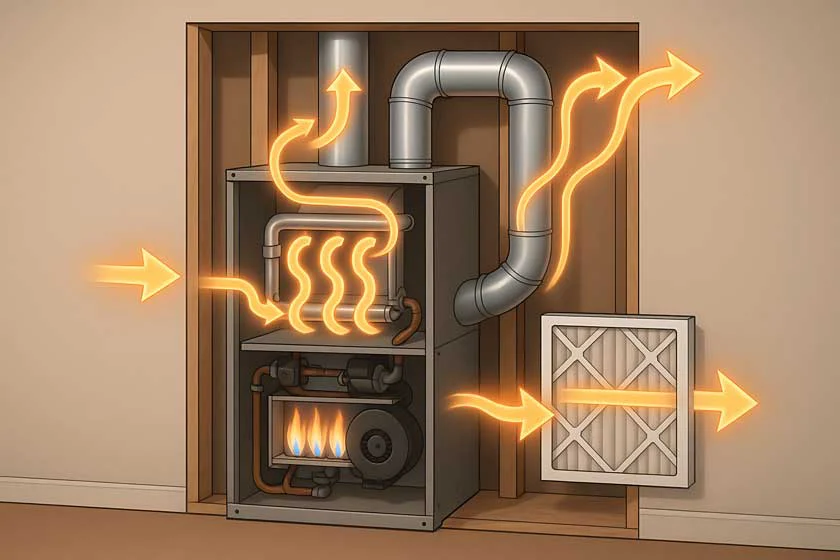 An Electronically Commutated Motor (ECM) is an advanced type of blower motor designed to enhance the efficiency of HVAC systems. It precisely controls the fan speed to ensure optimal airflow throughout the duct system. Unlike traditional motors, ECMs can automatically adjust their speed to meet the current climate demands. If an ECM malfunctions, the system may continue to operate, but the airflow could be insufficient or unevenly distributed, potentially leading to discomfort and inefficiency.
There are different types of motors you might have:
An Electronically Commutated Motor (ECM) is an advanced type of blower motor designed to enhance the efficiency of HVAC systems. It precisely controls the fan speed to ensure optimal airflow throughout the duct system. Unlike traditional motors, ECMs can automatically adjust their speed to meet the current climate demands. If an ECM malfunctions, the system may continue to operate, but the airflow could be insufficient or unevenly distributed, potentially leading to discomfort and inefficiency.
There are different types of motors you might have:
- PSC (permanent split capacitor): A common and reliable choice that uses a run capacitor. It usually comes in single or multi-speed versions.
- X13/constant torque ECM: Keeps the torque steady for even airflow and better efficiency.
- Variable-speed ECM: Provides exact control of airflow, operates quietly, and helps manage humidity better.
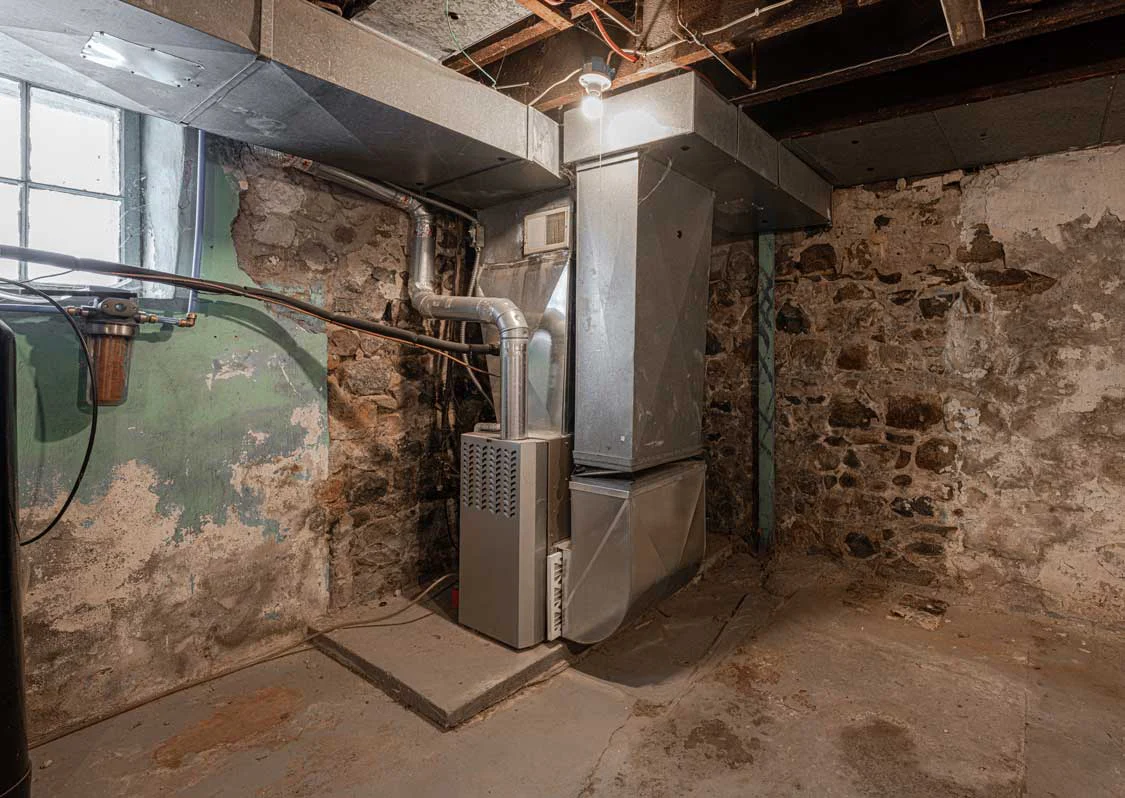
- Furnaces (gas or electric): Inside the furnace cabinet, usually under the heat exchanger.
- Air handlers (used with heat pumps or AC): In the indoor unit, often in an attic, closet, or garage.
- Packaged units: Inside the outdoor cabinet with other parts.
Signs Your Blower Motor Needs Attention
- Weak airflow or no airflow while the system is running.
- Airflow that starts and stops unexpectedly.
- Burning smells or a hot motor housing.
- Short cycling, tripped breakers, or sudden jumps in energy use.
- Squealing or screeching: Often worn bearings or a misaligned blower wheel.
- Grinding or scraping: Possible bearing failure or the wheel rubbing its housing.
- Humming without spinning: A seized shaft, failed capacitor, or locked rotor.
- Rattling or thumping: Loose hardware, debris, or an out-of-balance assembly.
- Frequent circuit breaker issues, frayed wires, or unusual burning odors.
- Problems with motor displays or any control malfunctions.
- The motor getting too hot or turning off shortly after starting up.
- Your own troubleshooting doesn’t fix the issue.
Safe, Simple DIY Blower Motor Checks You Can Try
Before calling in a professional, there are some straightforward checks you can perform on your own to maintain your home efficiently and safely. Safety first:- Turn off power at the thermostat and breaker.
- Use a non-contact tester to confirm power is off.
- Wear gloves and eye protection.
- Let hot components cool before you touch anything.
- Screwdrivers, nut drivers, and a socket set.
- Multimeter and non-contact voltage tester.
- Needle-nose pliers and zip ties.
- Flashlight and a soft brush for cleaning.
Fixing Your Blower Motor
If your blower motor is experiencing issues, addressing them promptly can ensure optimal performance and extend the lifespan of your equipment.Simple steps to try:- Check the thermostat: Set the fan to ON. If it doesn’t run, there might be a power problem.
- Look at power sources: Check the circuit breaker, furnace switch, and door safety switch. Look for error codes on the control board.
- Inspect filters and vents: A clogged filter or blocked vent can cause shutdowns. Change the filter if it’s dirty.
- Examine the blower area: Remove debris, check for loose wires, and make sure the blower wheel isn’t stuck.
- Check the capacitor (for PSC motors): If you have a meter, discharge the capacitor safely and measure it. Replace it if it’s more than 10% off.
- Try spinning the blower: Turn off power, then spin the blower wheel by hand. If it’s hard to spin or makes noise, there may be a problem.
- Check voltage: Turn the power back on and see if the motor gets the right voltage (usually 120V or 240V). If there’s power but no movement, the motor or capacitor might be bad. No power means a control or relay issue.
- Replace the capacitor (for PSC): Make sure the new one has the same specs and is connected right.
- Clean or fix the blower wheel: Adjust or replace it to stop any scraping noises.
- Secure motor mounts: Tighten or replace mounts to reduce vibrations.
- Fix control board/relay: If the blower relay isn’t working, you might need a new board. Take pictures of wiring before changing anything.
- For ECM motors: Check the connections and look for error codes. Problems often involve the module and need exact parts.
HVAC Blower Motor Replacement Cost—What to Expect
Pricing varies based on motor type, access, and failure. Here are some typical ranges:| Service | Estimated Cost |
|---|---|
| Capacitor Replacement | $100–$350 (parts and labor) |
| PSC HVAC Blower Motor Replacement | $300–$900 (installed) |
| ECM/X13 or Variable-Speed Motor | $600–$1,800 (installed) |
| Control Board Repair/Replacement | $250–$1,000 (installed) |
- Motor type and brand: ECMs are more expensive; discontinued parts may increase cost.
- System access: Hard-to-reach areas like attics or crawlspaces require more time.
- Diagnostic complexity: Intermittent issues need extensive testing.
- Warranty status: Parts could be covered, but labor often isn’t.
- Seasonal demand: Busy seasons may impact scheduling and prices.
- Create a small annual maintenance fund.
- Regularly replace filters to prevent avoidable issues.
- Schedule preseason tune-ups to identify problems early.
- Request a detailed estimate that separates parts and labor for better comparison of repair versus replacement costs, including furnace and AC blower motor services.
Deciding Between Blower Motor Repair or Replacement
We can help you decide if fixing your blower motor is a good idea or if getting a new one is better in the long run. Think about replacing it if:- The wires are damaged or the bearings are stuck.
- The ECM module is broken, and getting a new one is too expensive or not possible.
- Your system is over 10 years old, and fixing it won’t help with other old parts.
- It keeps breaking down, which might mean there are bigger problems or it’s not the right size.
- It’s more reliable and less likely to break down suddenly.
- It runs quieter with new bearings and a balanced wheel.
- You might get better airflow and save energy if you switch from PSC to ECM, as long as your system can handle it.
- All new installs and repairs come with our Home Comfort Guarantee.
Preventative Care That Keeps Air Moving
Taking care of your blower motor is easy and helps it last longer. Here are some simple things you can do:- Change filters every 1–3 months, or as your system suggests.
- Keep vents open and free from blockages.
- Vacuum dust from the blower area when changing filters.
- Ensure drains are clear to prevent water problems.
- Use surge protectors to keep electronics safe.
- Check motor power use and compare it to recommended levels.
- Test parts and check control board functions.
- Clean and balance the blower wheel.
- Look at wiring and connections for wear and tear.
- Make sure the temperature and pressure are right to avoid straining the motor.
Discover Why Homeowners Trust Done for Their Blower Motor Needs
When your furnace isn’t working properly, it can disrupt your daily routine, from your morning commute to ensuring your home is a comfortable place for relaxation. We get it. At Done, our priority is to restore your home’s comfort swiftly and efficiently. Since 1999, residents of Aurora and the Greater Denver area have trusted us to deliver prompt and dependable heating, cooling, plumbing, and electrical solutions.- Fast, reliable service: Same-day appointments available. We aim to fix it right the first time.
- Transparent pricing: Clear estimates with no hidden fees. You’ll know the HVAC blower motor replacement cost before we begin work.
- Local expertise: Deep roots across the Denver metro—Aurora, Centennial, Parker, Highlands Ranch, and beyond.
- Respectful, plain-language guidance: We explain what’s going on in your home and give you practical options—whether that’s hvac blower motor repair, furnace blower motor replacement, or a larger system upgrade.
- Home Comfort Guarantee: Your repair or replacement is backed by a promise we stand behind.