Yes, Done’s licensed plumbers install pressure-boosting pumps for homes that suffer from chronically low water pressure. Whether the culprit is your home’s elevation, distance from the municipal main, aging supply lines, or a pressure-reducing valve set too conservatively, we can diagnose the root cause and recommend the right pump system to bring pressure to a comfortable, consistent level throughout your home.
Why Denver-Area Homes Often Need Pressure Booster Pumps
At roughly 5,280 feet above sea level, Denver already sits at an elevation that can influence how municipal water pressure reaches upper floors of multi-story homes. Add the Front Range’s sprawling newer subdivisions — where homes are sometimes at the far end of long supply loops — and low-pressure complaints are common. Clay and expansive soils can also shift pipes over time, creating partial restrictions that quietly rob you of pressure year after year.
Inside the home, older galvanized steel pipes are notorious for accumulating mineral scale. Colorado’s notoriously hard water accelerates that buildup, gradually narrowing the effective interior diameter of supply lines until a once-adequate flow slows to a trickle. A pressure booster pump compensates for these losses, but the underlying pipe condition should still be evaluated — a pump pushing water through severely corroded pipes is a temporary fix at best.
How a Pressure Booster Pump Works
A booster pump is an inline device installed on your main supply line, typically in a utility room, basement, or crawl space. It senses incoming pressure and uses an electric motor and impeller to amplify it before distributing water to fixtures throughout the house. Most residential units include a pressure tank to smooth out flow surges and reduce how often the motor cycles on and off.
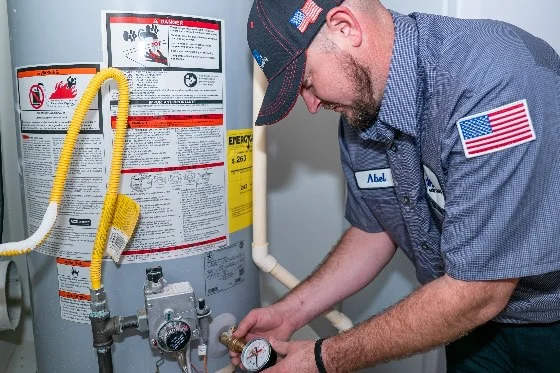
Modern systems are adjustable, so your technician can dial in the target pressure — typically 55–70 PSI for residential use — without over-pressurizing the system, which can stress fixture valves and supply connections. A properly installed pressure regulator downstream protects appliances from spikes.
What the Installation Process Looks Like
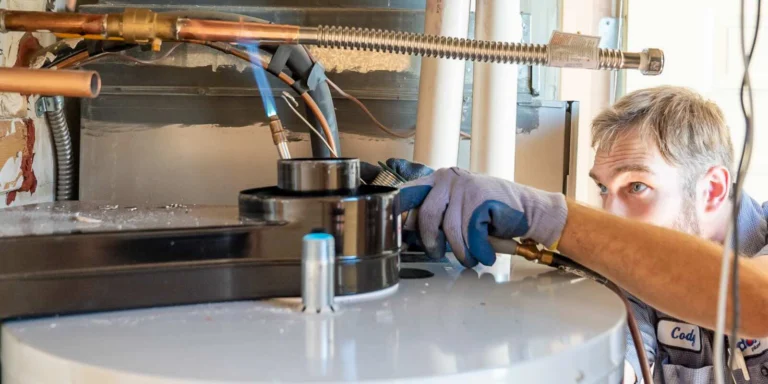
Done starts with a pressure test at multiple points in your home to confirm where and how much pressure is being lost. From there, we size the pump correctly — an undersized unit won’t solve the problem; an oversized one wastes energy and can cause water hammer. Once the right equipment is selected, installation typically involves cutting into the main supply line, mounting the pump and pressure tank, wiring the motor to a dedicated circuit, and testing the system at full flow.
The job is usually completed in a single visit for straightforward installations. More complex situations — like homes that need both a booster pump and updated supply piping — may require a follow-up appointment.
Signs You May Need a Pressure Booster Pump
- Shower pressure drops noticeably when a toilet flushes or the dishwasher runs
- Upstairs fixtures consistently have weaker flow than those on the ground floor
- It takes an unusually long time to fill a bathtub or run a garden hose
- Your pressure gauge reads below 40 PSI at the main shutoff
- Neighbors on the same street report similar issues, pointing to a supply-side problem
Cost Factors to Expect
Booster pump pricing varies based on the pump’s flow-rate capacity, whether a pressure tank is included, the complexity of the installation location, and whether any supply-line repairs are needed at the same time. Done provides upfront estimates before any work begins, so there are no surprises on the invoice. Financing options are also available if the project scope is larger than expected.
If low water pressure is affecting your daily routine, our plumbers can identify the cause and get it corrected. Visit our pipes and lines service page to learn more, or check out pressure and backflow services — then give us a call or book online to schedule a diagnostic visit.