Commercial plumbers install, maintain, and repair the plumbing systems found in office buildings, retail centers, restaurants, multi-family housing, schools, and other non-residential or large-scale properties. Their work covers the same core disciplines as residential plumbing — water supply, drain-waste-vent systems, fixtures, water heaters — but at a much larger scale and under stricter code requirements. If you’re a homeowner, the plumber who serves your household is typically a residential or service plumber, though some companies handle both.
Core Responsibilities of Commercial Plumbers
Commercial plumbers work across the full project lifecycle, from new construction rough-in through ongoing maintenance contracts. Their daily responsibilities depend heavily on whether they’re working on a new build, a renovation, or an existing building’s service needs.
- New construction rough-in — reading blueprints and installing all supply lines, drain lines, vent stacks, and rough plumbing before walls close in.
- Fixture and equipment installation — commercial-grade toilets, urinals, multi-bay sinks, grease traps, industrial water heaters, and backflow prevention assemblies.
- Grease trap service — restaurants and commercial kitchens in Denver are required to maintain grease interceptors to protect the municipal sewer system.
- Backflow prevention — commercial properties typically require annual testing and certification of backflow prevention devices to protect the public water supply.
- Large-scale drain maintenance — high-traffic facilities accumulate debris and grease faster than residential drains, requiring hydrojetting and regular camera inspections.
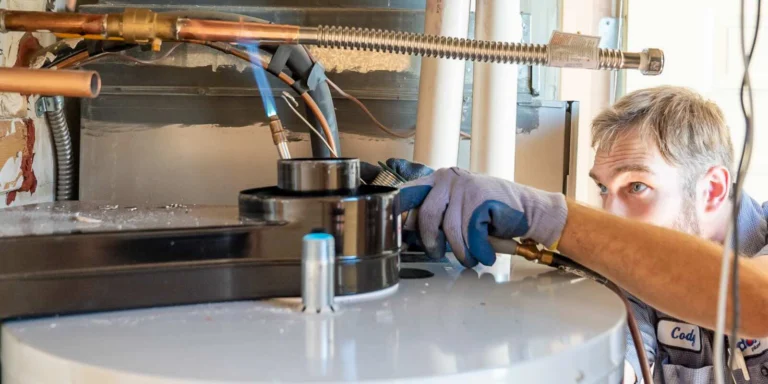
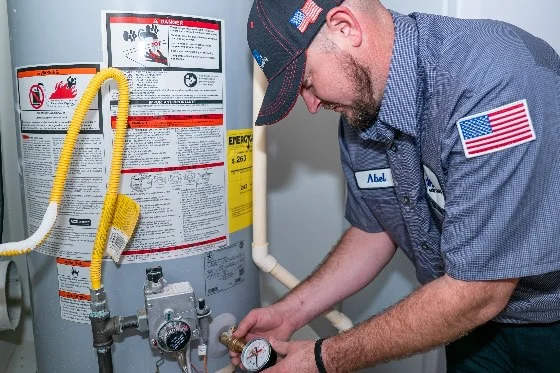
- Water heater systems — commercial water heating often involves large tank banks, recirculation systems, or commercial tankless units sized for simultaneous demand from many users.
How Commercial Plumbing Differs From Residential
Scale is the most obvious difference — a commercial building might have dozens of fixtures on multiple floors, all connected to a shared stack system. Pipe diameters are larger, water pressure demands are higher, and the consequences of a failure are more immediate (lost business, health code violations, tenant complaints). Commercial plumbing is also governed by the International Plumbing Code as adopted and amended by Colorado, with additional local requirements from Denver Water and municipal authorities.
Commercial plumbers must also coordinate their work with other trades — HVAC, electrical, fire suppression — in ways that residential jobs rarely require. Reading engineered drawings, working with general contractors, and pulling the appropriate commercial permits are standard parts of the job.
Licensing Requirements in Colorado
Colorado requires plumbers to hold a state-issued license, and the requirements differ by level: plumber’s apprentice, journeyman plumber, and master plumber. A master plumber license is typically required to pull permits and run a plumbing contracting business. Commercial work often demands master-level sign-off on permitted projects. When hiring any plumber — commercial or residential — always verify their Colorado license through the DORA licensing lookup. This protects you legally and ensures the work will pass inspection.
Water Heater and Hot Water Demands in Commercial Settings
One area where commercial plumbing complexity is especially visible is water heating. A restaurant kitchen, for example, must maintain water temperatures sufficient to sanitize dishes — typically 140°F to 180°F at the sanitizing rinse, depending on the type of dishwasher. A hotel or apartment building needs a recirculation loop so hot water is available instantly at every fixture without a long wait at the tap. These systems often involve multiple water heaters in a bank, mixing valves, heat exchangers, and sophisticated controls that residential water heater service doesn’t prepare a plumber for without specific commercial training.
In Colorado, where hard water is a consistent challenge, commercial water heating systems require water softeners or treatment to prevent scale buildup from shortening equipment life. A commercial plumber managing a water heater bank for a large Front Range employer understands the intersection of water chemistry, flow demand calculations, and equipment sizing in ways a residential technician may not need to.
What This Means for Homeowners
If you’re a homeowner, you probably don’t need a commercial plumber — but understanding the distinction helps when you’re evaluating contractors. A company that handles commercial work typically has deep technical experience, well-stocked trucks, and the licensing infrastructure to pull permits correctly. Done focuses on residential and light-commercial plumbing throughout the Denver metro, bringing that same professional rigor to every home service call.
Whether you need a routine repair or a more involved project, our licensed plumbers handle it with the same code-compliant, permitted approach used on commercial jobs. Explore our residential plumbing services, or if you have a drain or sewer issue, see what our team can do with hydrojetting and sewer line services.