A hot tub electrical installation includes running a dedicated 240-volt circuit from your main panel to the spa location, installing a GFCI-protected disconnect box within sight of the hot tub (typically 5–10 feet away), connecting the circuit to the spa’s control panel, and verifying all bonding and grounding connections meet NEC Article 680 requirements. This is one of the most code-specific residential electrical jobs there is — the combination of water, high voltage, and people means every connection must be right.
The Dedicated Circuit
Most portable hot tubs and in-ground spas require a 240-volt, 50-amp or 60-amp dedicated circuit — meaning no other devices share the breaker. The circuit runs from your main panel through appropriate conduit (typically Schedule 80 PVC underground or rigid metal conduit above grade) to the disconnect location near the spa. Wire sizing for these circuits is typically 6 AWG or 4 AWG copper depending on the amperage and circuit length.
Before running wire, Done’s electricians check your main panel’s available capacity. A 50-amp or 60-amp hot tub circuit is a significant additional load. If your panel is a 100-amp service that’s already carrying a full house of loads, a panel upgrade may be the prerequisite step.
The Disconnect Box
NEC 680.12 requires a disconnect that is within sight of the hot tub and accessible to the user, but not closer than 5 feet from the water’s edge. This disconnect box must be GFCI-protected — a critical safety requirement given the proximity to water. The GFCI at this level protects the entire circuit feeding the spa, and it must be tested periodically. Done installs weatherproof disconnect boxes appropriate for outdoor exposure, rated for the circuit amperage, and properly labeled.
Bonding and Grounding
This is where hot tub electrical work gets technically specific. NEC Article 680 requires “equipotential bonding” — a bare copper conductor connected to the hot tub shell, water, pump motor, heater, metal equipment, and any metal within 5 feet of the spa (including metal furniture, lighting fixtures, and pool/deck hardware). Bonding ensures that if a fault occurs, there’s no voltage difference between surfaces a person could touch simultaneously. This is not the same as grounding; both are required, and both must be done correctly.
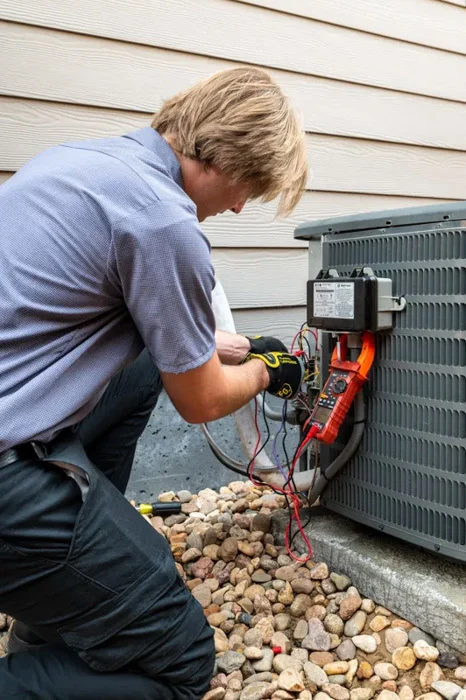
A licensed electrician verifies bonding continuity with a meter at the end of the installation — this is a step that should never be skipped.
Lighting and Additional Circuits
- Outdoor lighting near the spa must be rated for wet or damp locations, and fixtures within 5 feet of the water must meet specific mounting height and GFCI requirements
- Any receptacles within 10 feet of the spa must be GFCI-protected and at least 6 feet from the water
- Underwater lighting in built-in spas has additional voltage and listing requirements
- Some homeowners add a separate circuit for an outdoor outlet near the spa — convenient for towel warmers, speakers, or accessories
Permits and Inspections
Hot tub electrical work requires a permit in virtually every Colorado jurisdiction, and the inspection process is thorough. Inspectors will check wire sizing, GFCI protection, disconnect placement, bonding connections, and grounding. Done manages the permit process and schedules the inspection as part of every hot tub installation — this documentation also protects you at resale, when a buyer’s inspector will ask for evidence the electrical work was done to code.
For outdoor electrical work beyond the hot tub itself, including exterior lighting and additional outlet circuits, Done’s installation team handles the full scope. See our panel and wiring services if a panel upgrade is needed first, or visit our electrical services overview to learn more about what we offer.