While you’re waiting for an emergency plumber, the goal is simple: stop the damage from getting worse. The minutes between when a pipe bursts or a fixture fails and when the plumber arrives can mean the difference between a manageable repair and a major water damage claim. A few deliberate actions in that window — shutting off water, containing the spread, documenting damage — will help protect your home and your insurance claim.
Shut Off the Water Source First
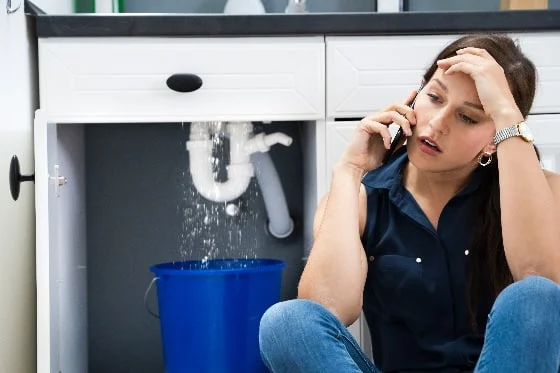
This is always the first step. If you can isolate the problem to one fixture — a toilet with a blown supply line, a sink with a failed shutoff valve — close the shutoff for that fixture only. Toilet shutoffs are behind and below the tank on the wall. Sink shutoffs are under the cabinet. If the source is a burst pipe inside a wall, or if you can’t locate or operate the fixture shutoff, go straight to the main water shutoff for the whole house. Turn it clockwise until it stops. In most Denver-area homes, the main shutoff is in the basement near the front foundation wall, in a utility room, or near the water meter.
If the main shutoff is old and hasn’t been used in years, it may be stiff or difficult to turn — use a wrench if needed. If it won’t budge at all, call Done back and let us know. We can advise on emergency steps while we’re in transit.
Turn Off the Water Heater
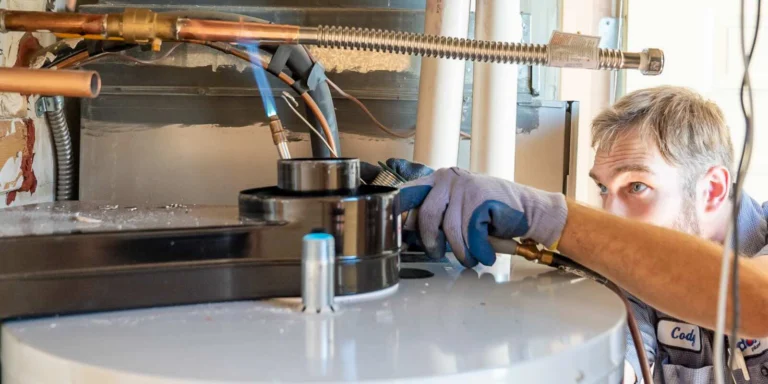
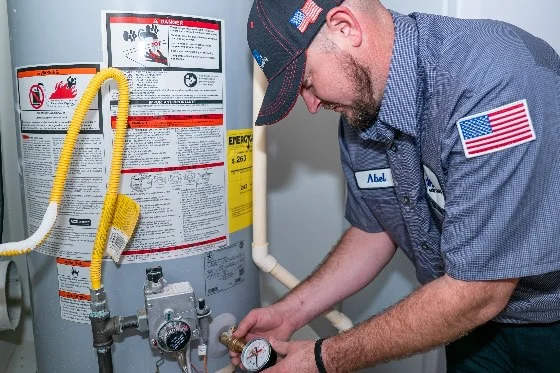
If you’ve shut off the main supply, turn off the water heater too. A gas water heater should be turned to “pilot” mode, not fully off, which keeps the pilot light burning but stops the burner from firing. An electric water heater should be switched off at the breaker. Running either type of water heater without water in the tank can cause damage — gas units can overheat without the water to absorb the heat, and electric units can burn out their elements when exposed to air.
Contain the Spread of Water
Once the water is off, your next job is containment:
- Place towels, rags, or a wet/dry vac on any standing water — absorbing even a small amount reduces what seeps into subfloor and wall framing
- If water is dripping through a ceiling, place buckets and puncture the lowest point of the bulge with a screwdriver to direct the flow rather than letting pressure build and cause a larger collapse
- Move furniture, rugs, and electronics out of the affected area immediately — electronics near water are both a damage and safety risk
- Lift the edges of area rugs and move them to dry space; rugs saturated with water under them accelerate mold growth in flooring
Document the Damage
Before you start any aggressive cleanup, take photos and video of everything — the source of the problem, any visible pipe damage, standing water, saturated walls, and damaged belongings. Do this from multiple angles. Your homeowner’s insurance claim will go more smoothly if you have clear before-photos that show the scope of the damage when the plumber arrived. Don’t rely on memory — walk through the affected area and document methodically.
What NOT to Do While You Wait
A few things that seem helpful but can make matters worse or create safety hazards:
Don’t use electrical appliances or outlets in areas where water is present — water and electricity are a serious safety combination. Don’t use a regular vacuum to pick up standing water — only a wet/dry vacuum rated for liquid is safe. Don’t attempt to cut into walls or open pipe connections yourself — you may relieve pressure in one place only to create a new problem, and you’ll complicate the plumber’s diagnosis when they arrive. And don’t turn the water back on to “test” whether the problem is fixed — leave that to Done’s emergency plumbers.
After Done Arrives and Makes the Repair
Once our plumber has addressed the immediate problem, ask whether there are follow-up steps needed. Some emergency repairs are temporary — a patch that buys time for a more complete fix — and you’ll want to schedule that follow-up promptly. If water entered wall cavities, ceiling materials, or flooring, a professional water damage restoration company should assess moisture levels within 24 hours. Mold can establish in wet materials within 48 hours in the right conditions, especially in Denver basements where ventilation is limited.
Also consider a plumbing inspection through our Care Club membership once the dust has settled — a crisis like a burst pipe often reveals that other components in the system are aging. Getting ahead of the next problem is far less stressful than responding to it. Visit our plumbing services page or contact Done anytime.