Installing a new gas line is licensed, permit-required work in Colorado — it is not a DIY project. The process involves planning the pipe routing, pulling a permit with your local jurisdiction, running code-compliant black steel or CSST (corrugated stainless steel) pipe, pressure-testing the completed line, and scheduling a final inspection. Done! handles all of this from design through inspection sign-off.
When Homeowners Need a New Gas Line
The most common reasons Denver-area homeowners need a new gas line run are adding a gas range or cooktop, installing a gas fireplace or fire pit, adding a whole-home standby generator, converting from an electric dryer to gas, or extending service to a garage or workshop for a gas heater. In some cases, homeowners also need a gas line extended or upgraded when a new high-BTU appliance — like a commercial-style range or a tankless water heater — demands more gas volume than the existing pipe diameter can supply.
Pipe Materials and Routing
In Colorado, residential gas lines are typically run in black steel pipe (the traditional material) or corrugated stainless steel tubing (CSST). CSST is flexible and faster to install through walls and around obstacles, which makes it common for additions and new runs. Black steel is rigid and requires threaded fittings at every joint. Both are code-compliant; the choice depends on the routing complexity, the jurisdiction’s preferences, and the plumber’s assessment. CSST must be bonded and grounded according to code — especially important in Colorado, where the combination of expansive clay soils and lightning-prone weather makes proper bonding non-negotiable.
The Permitting Process
Any new gas line installation in Colorado requires a permit pulled from the local building department — in Denver that’s Denver Community Planning and Development; in suburban jurisdictions it varies. Permitted gas work requires inspection by a building official before the line is put into service. Done! handles the permit application and schedules the inspection as part of the project. Skipping the permit isn’t just a code violation — it creates real liability when you sell the home or file an insurance claim.
Pressure Testing
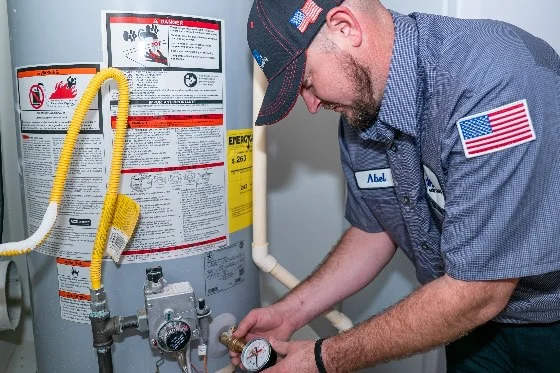
Before the gas is turned on and the inspector signs off, the completed line is pressure-tested. The plumber pressurizes the new pipe above operating pressure using air or inert gas (not natural gas) and monitors for any pressure drop, which would indicate a leak at a fitting or joint. Every connection is also checked with a soap solution or electronic leak detector. Only after the test confirms zero leakage does the line get connected to the gas supply and the appliances.
What Done! Considers During Design
- BTU demand of the new appliance(s) — determines required pipe diameter
- Total gas load on the meter and service line — the existing supply may need upgrading for high-BTU equipment
- Routing path — minimizing penetrations while meeting code clearances from electrical wiring and HVAC components
- Seismic and bonding requirements for CSST
- Shutoff valve placement for each appliance
Safety Notes for Homeowners
If you smell gas at any point — before, during, or after a gas line project — leave the house, leave the door open as you exit, do not operate any switches, and call Xcel Energy’s gas emergency line and your plumber from outside. Gas leaks in an enclosed space can reach explosive concentrations faster than most people expect. This is one area where there is no safe middle ground between calling a professional and doing nothing yourself.
Done! is licensed for gas line work throughout the Denver metro area. Visit our pipes and lines page to schedule a quote, or learn about our full range of plumbing services if you’re planning a larger home improvement project that involves multiple trades.