A pressure reducing valve (PRV) protects your home’s plumbing, fixtures, and appliances from water pressure that exceeds safe operating levels. The ideal residential water pressure is between 40 and 80 PSI; many Denver-area homes receive municipal supply pressure well above that, sometimes in the 100–150 PSI range depending on elevation and proximity to booster stations. A PRV steps that pressure down to a safe set point — typically 50–65 PSI — and holds it there automatically, protecting everything downstream from accelerated wear and sudden failures.
What High Water Pressure Does to Your Home
High water pressure is one of the most underappreciated sources of household plumbing problems. When supply pressure consistently runs above 80 PSI, fixture seals and O-rings wear out faster than they should, leading to dripping faucets and running toilets that seem to come back no matter how many times you replace the components. Dishwashers, washing machines, and ice makers have internal hoses and valves rated for normal residential pressure — operating them under excess pressure shortens their service life and increases the risk of hose failure. Pinhole leaks in copper supply lines are also more common in high-pressure situations, especially in homes where Colorado’s hard water has already thinned the pipe walls through mineral interaction.
Key Benefits of a PRV
The advantages of a properly set PRV extend well beyond simply reducing a number on a gauge:
- Longer fixture and appliance life: Operating everything at the pressure it was designed for reduces wear on seals, solenoids, and internal valves across every water-using fixture and appliance in the home.
- Reduced leak risk: Lower, consistent pressure means far less stress on pipe joints, supply lines, and washing machine hoses — the points most likely to fail suddenly.
- Lower water bills: High pressure delivers more water per minute through every open fixture. Reducing pressure to a normal range cuts water consumption without any change in how your family uses water.
- Quieter plumbing: Water hammer — the banging noise when a valve closes quickly under high pressure — typically disappears after PRV installation.
- Protection for water heaters: Chronic high pressure can cause temperature and pressure relief valves to weep or discharge repeatedly, shortening the valve’s life and masking a real overpressure condition.
Denver-Area Pressure Considerations
Water pressure in the Denver metro varies considerably by neighborhood and elevation. The Front Range’s topography means municipal systems use booster stations that can deliver high pressure to certain zones. Homes in lower-lying areas or those close to booster stations can see street pressure high enough to require a PRV even if the home was fine without one years ago. If your home already has a PRV, it’s worth having it tested periodically — PRVs have a typical service life of 7–12 years, and a failed PRV lets full street pressure into your home’s plumbing without any warning.
PRV vs. Backflow Preventer
These two valves often appear together and are sometimes confused, but they do different things. A PRV reduces incoming water pressure to a safe residential level. A backflow preventer (also called a pressure vacuum breaker, or PVB) stops potentially contaminated water from flowing backward into the municipal supply — it’s a cross-connection control device. Many Denver-area homes with irrigation systems are required by local code to have a backflow preventer installed on the irrigation supply. Done handles both.
How to Know If You Need a PRV
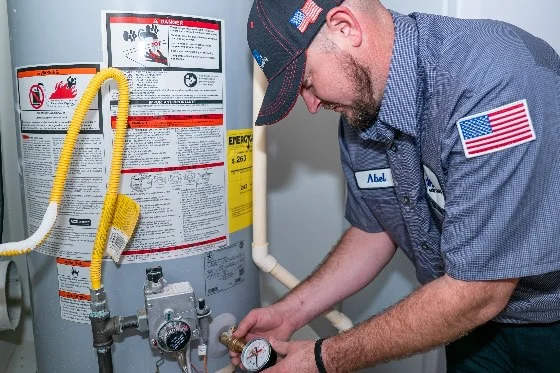
A plumber can test your incoming water pressure with a simple gauge that attaches to an outdoor hose bib — the test takes about two minutes. If the reading is consistently above 80 PSI, a PRV is strongly recommended. Signs that suggest high pressure without testing include repeatedly failing faucet cartridges, washing machine hoses that feel unusually rigid and pressurized, loud water hammer when appliances cycle, and a toilet that takes a very short time to refill after flushing.
Done’s plumbers install and replace PRVs throughout the Denver metro and can test your supply pressure at the same visit. Learn more about pressure and backflow services, explore all of Done’s plumbing services, or ask about financing options if you’re combining a PRV installation with other plumbing work.