The clearest sign that your main sewer line needs repair is when multiple drains in your home slow down or back up at the same time. When a single fixture drains slowly, the clog is usually localized. But when your toilet gurgles while the washing machine drains, or sewage backs up into the basement floor drain when you flush upstairs, the main line — the single pipe that carries all of your home’s wastewater to the city sewer — is the likely culprit.
Key Warning Signs to Watch For
- Multiple fixtures slow or backing up simultaneously — toilet, tub, floor drain, or laundry all affected
- Gurgling sounds from drains or toilets when other fixtures are in use
- Sewage or wastewater surfacing through floor drains, especially in the basement
- A persistent sewer gas odor inside the home (even without visible backups)
- Unusually lush, green grass or a soggy, wet area in the yard over the sewer line path
- Cracks in the foundation or settlement near the sewer lateral — sometimes caused by soil washout from a leaking line
Why Colorado Homes Are Particularly Vulnerable
Front Range homeowners face a specific combination of soil and climate conditions that accelerate sewer line wear. Colorado’s clay-heavy soils expand when wet and contract when dry — the repeated movement from seasonal moisture swings, spring snowmelt, and summer thunderstorms shifts soil around buried pipes, causing joints to separate and pipe sections to crack or sag over time. A sagged section, called a belly, holds standing water and becomes a collection point for debris and root intrusion.
Tree roots are another common culprit in established Denver neighborhoods. Cottonwoods, elms, willows, and silver maples — all common along Front Range streets and yards — send roots toward water sources, and a hairline crack in a sewer joint is more than enough of an invitation. Once roots are inside the pipe, they expand and eventually cause a partial or complete blockage.
How Done Confirms the Diagnosis
Symptoms alone can’t tell you whether you need a simple cable cleaning, a hydro jet, a trenchless pipe lining, or a full sewer line replacement. The only way to know what’s actually happening inside your sewer line is a camera inspection. Done runs a small waterproof camera through the line and records what it finds: root masses, grease accumulation, cracks, joint separations, pipe collapses, or bellies. The footage tells us the location, length, and severity of the problem.
This matters because the repair method depends entirely on the diagnosis. A root mass cleared by hydro jetting in a pipe that’s otherwise in good condition is a very different situation from a 20-foot collapsed clay tile section that needs trenchless lining or excavation.
Repair or Replace — and What That Involves
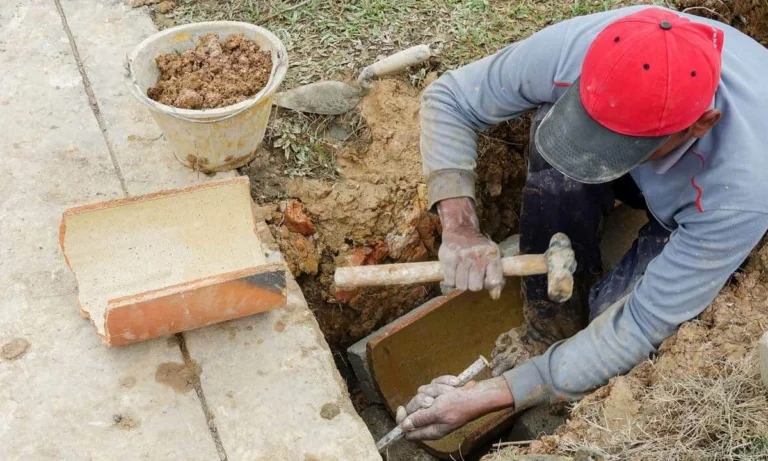
Done offers trenchless repair options — pipe lining and pipe bursting — that resolve most sewer line problems without excavating your yard. Pipe lining installs a resin-saturated liner inside the existing pipe, creating a smooth new inner surface without removing the old pipe. It’s effective for cracks, joint failures, and root infiltration in pipes that are structurally present but compromised. Pipe bursting replaces the old pipe entirely by pulling new pipe through while fracturing the old one outward — a good option when the existing pipe is too damaged for lining.
If you’re noticing any of the warning signs above, don’t wait for a full backup. Getting a camera inspection now, before the situation becomes an emergency, gives you options. Visit our sewer services page for repair and replacement options, our pipe lining page for trenchless details, or our emergency drain cleaning page if you need same-day help.