A sewer excavation project involves digging up the ground above a damaged section of your sewer line to expose, remove, and replace the pipe. It is a bigger undertaking than trenchless repair, but it is sometimes the only appropriate solution — for fully collapsed pipe, severe misalignment, or sections where trenchless access cannot be established. Knowing what the process involves, from initial access to surface restoration, helps you plan around the project and understand what Done’s crew is doing at each stage. Most residential sewer excavations are completed in one to three days, though the full surface restoration timeline can stretch a bit longer.
Before Work Begins: Locating and Planning
Before any digging starts, Done uses the sewer camera and locating equipment to map the problem section precisely — its position, depth, and length. Colorado 811 (the state’s utility locating service) is called to mark underground utilities so the excavation crew knows what else is buried in the area. This step is required by law and protects against accidental damage to gas lines, electrical conduit, water mains, and communication lines that share the same utility corridor. Depending on the location of the sewer line, permits may be required from the city or county — Done handles this permitting process. You will receive a clear description of what area will be disturbed before the crew begins.
The Excavation Process
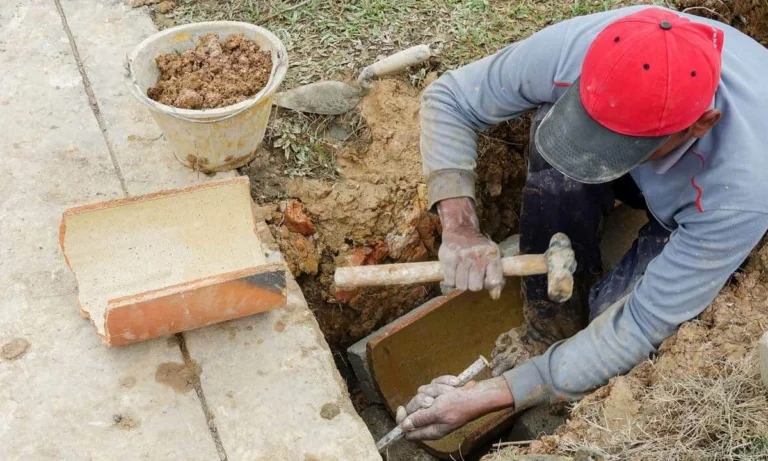
Excavation is done with a backhoe or excavator for the main trench, with hand tools used near utilities, tree roots, and structures where precision matters. The trench follows the path of the damaged pipe section and is typically four to eight feet deep — sewer lines run deep enough to maintain consistent slope toward the municipal main and to stay below the frost line, which in the Denver metro sits around three to four feet. The damaged pipe section is exposed, inspected in person to confirm the extent of the damage (the camera gives a good picture but excavation sometimes reveals additional issues), and then removed.
The Repair and Replacement
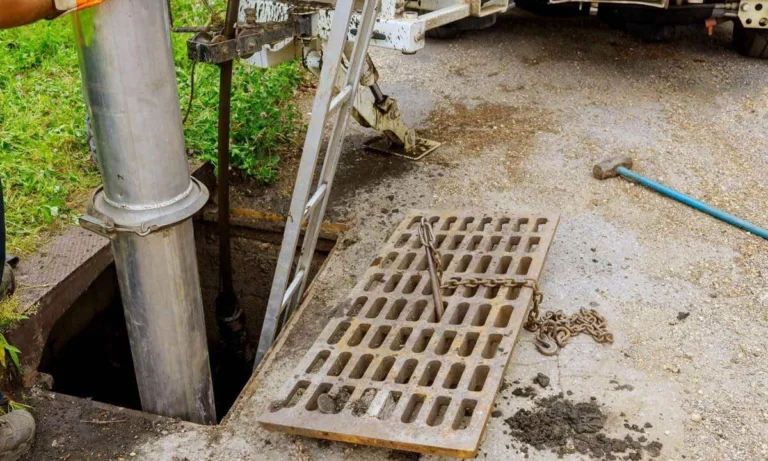
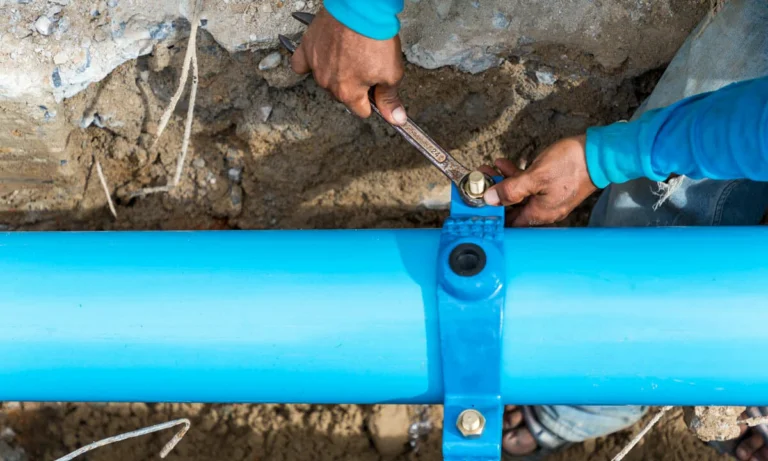
New pipe — typically PVC, which is the current standard for residential sewer laterals — is laid on a properly compacted bedding material at the correct slope (typically 1/4 inch per foot for standard residential lines). All new joints are solvent-welded, and connections to existing pipe sections and the municipal main are made with approved fittings. A new cleanout is installed at the upstream end of the repaired section if one is not already present, giving future access to the line without requiring excavation. Before the trench is backfilled, a camera inspection confirms the new pipe is properly aligned, seated, and flowing correctly.
Backfill and Surface Restoration
- Backfill: The trench is filled in lifts with compacted material, using select fill around the pipe and native or imported soil above. Proper compaction prevents settling that would create a depression in the yard or driveway surface over time.
- Lawn areas: Disturbed turf is typically restored with topsoil and seed, or sod depending on what was there before. Full lawn recovery takes a growing season in Colorado’s climate.
- Concrete or asphalt: If the sewer runs under a driveway or sidewalk, that surface is saw-cut prior to excavation and patched after backfill is complete. The patch is functional immediately but may be visible as a slightly different color or texture — this is normal and fades over time.
- Landscaping features: Irrigation lines, landscape borders, and plants near the trench line may be temporarily disturbed. Done’s crew takes reasonable care to minimize impact and will discuss what restoration is planned before starting work.
How Long Will It Take?
A straightforward sewer excavation on a typical residential lot — one failed section of lateral from the house to the street — is usually a one-to-two day project for the pipe work itself. More complex situations involving depth, long runs, multiple access challenges, or extensive surface restoration take longer. Colorado’s clay soil can slow excavation and requires careful compaction during backfill to prevent future settling. Done provides a timeline estimate specific to your project conditions before work begins so you can plan accordingly.
If a camera inspection has confirmed your line needs excavation, Done will walk you through exactly what to expect for your specific situation. Visit our sewer services page or explore whether trenchless pipe lining might be an option first — for lines that qualify, it avoids the excavation entirely.