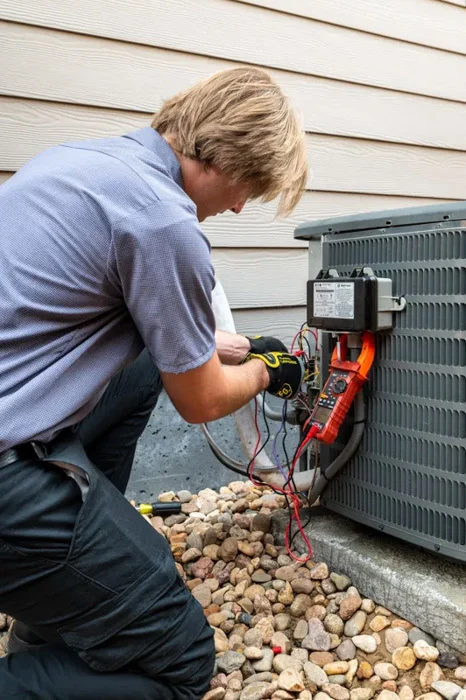
Yes — hot tub electrical installation requires a permit in every Colorado jurisdiction, without exception. This isn’t bureaucratic formality: hot tub wiring involves 240-volt circuits, GFCI protection, bonding, and a required disconnect box, and the permit process ensures an inspector verifies all of it was done correctly before you use the tub. Skipping the permit creates liability, insurance, and safety risk that no amount of savings is worth.
What the Permit Process Covers
When Done pulls an electrical permit for a hot tub installation, it covers the complete electrical scope: the new 240-volt circuit from your main panel, the GFCI circuit breaker, the conduit run to the tub location, the disconnect box mounted within sight of the tub, and the bonding of all metal components in and around the spa. The permit application describes the work scope, and after installation is complete, a city or county electrical inspector comes out to verify everything was installed to code.
The inspector checks things a homeowner can’t easily see: that the wire gauge is correct for the circuit amperage, that the conduit burial depth meets code, that the GFCI breaker is functioning, that bonding connections are secure, and that the disconnect meets NEC Article 680 requirements for pool and spa installations. An inspector’s sign-off is your documentation that the work was done right.
Why You Shouldn’t Skip the Permit
Unpermitted electrical work creates real problems, even if the installation was done correctly:
- Homeowner’s insurance: Most policies exclude coverage for damage caused by unpermitted work. If an electrical fire starts near your hot tub, your claim may be denied
- Home sale: Unpermitted work shows up in disclosure requirements and home inspections. Buyers and their lenders flag it; it can delay or kill a sale, or require expensive remediation to pull retroactive permits
- Liability: If someone is injured or killed by improperly installed hot tub wiring, the absence of a permit is evidence that the installation didn’t meet code — which affects your legal exposure
- Hot tub warranty: Some manufacturers require permitted electrical installation as a warranty condition
How Colorado Jurisdictions Handle the Permit
Permit requirements and fees vary by municipality. Denver, Aurora, Lakewood, Arvada, Westminster, Littleton, and the surrounding Front Range cities all have their own permit offices and inspection schedules, but all require an electrical permit for hot tub wiring. The permit is typically pulled by the licensed electrical contractor doing the work — in this case, Done — not by the homeowner. Done handles the application, pays the permit fee (which is rolled into your project estimate), and schedules the inspection once work is complete.
Inspection timelines vary. In some jurisdictions, inspections happen within a day or two of request; in others, scheduling can take a week. Done builds typical inspection lead times into the project timeline so you know when you can expect to start using the tub.
What NEC Article 680 Requires for Hot Tubs
The National Electrical Code Article 680 governs pool and spa wiring and is adopted (with local amendments) across Colorado jurisdictions. Key requirements include:
A dedicated circuit — not shared with any other loads. A GFCI circuit breaker at the panel for that circuit. A disconnect within sight of the hot tub, accessible without going near the water, and at least 5 feet from the water’s edge. Bonding of all metal components — the hot tub shell, pumps, heater housing, and any metal within 5 feet of the water — to equalize voltage. For outdoor hot tubs, all wiring must be in appropriate weatherproof conduit or rated for outdoor burial.
Plan the Electrical Before the Hot Tub Is Delivered
The best time to start the permit process is before your hot tub is delivered, not after it arrives. Done can visit the site, assess your panel capacity (a hot tub adds 50 to 60 amps of load, which matters if your panel is already near capacity), plan the conduit route, and file the permit application — all before delivery day. That way, the electrical work and inspection can be completed quickly after the tub is set in place.
Visit our electrical installations page to schedule a hot tub wiring estimate. If your project requires a panel upgrade to add the new circuit, our panels and wiring team handles both in sequence, and we can discuss financing options if the combined project scope warrants it.