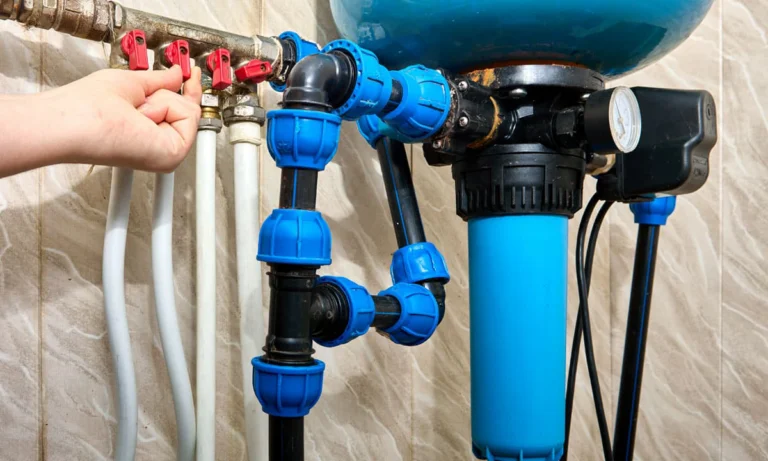
Improving your home’s water quality delivers benefits that ripple through nearly every part of daily life — from the water you drink and cook with, to how long your appliances last, to how your skin and hair feel after a shower. In the Denver metro, where water comes from snowmelt runoff and is treated with chloramines, and where naturally occurring hardness minerals are a consistent presence, the gap between “tap water” and “treated water” is meaningful. Investing in the right water treatment solution is one of the higher-return home improvements available to Front Range homeowners.
Better Drinking and Cooking Water
The most immediate benefit most families notice is the taste and smell of their water. Denver’s water utility uses chloramines — a combination of chlorine and ammonia — for disinfection. While this is safe at regulated levels, many people find the taste and odor off-putting straight from the tap. A carbon-based whole-home filter or a point-of-use reverse osmosis system under the kitchen sink removes these disinfection byproducts along with a range of other contaminants including lead, nitrates, and certain volatile organic compounds.
Better-tasting water means families actually drink more of it — and use less bottled water, which is both a cost savings and a reduction in plastic waste. It also makes a difference in cooking: coffee, tea, pasta water, and soups all taste noticeably better when the water itself doesn’t have a chemical undertone.
Healthier Skin, Hair, and Laundry
Hard water — which is common across the Front Range, including the Denver metro — contains elevated levels of calcium and magnesium. These minerals don’t present a direct health risk when consumed, but they do interact with soap in ways that are hard on skin, hair, and fabric. Hard water reduces soap’s ability to lather, leaves a film on skin after bathing, and makes hair feel stiff or dull. People with sensitive skin or eczema often notice a significant improvement after a water softener is installed.
Laundry washed in softened water comes out brighter, feels softer, and requires less detergent. Towels and bed linens in particular retain their feel for longer when they’re not being repeatedly washed in water that leaves a mineral residue in the fibers.
Longer Appliance Life and Lower Energy Bills
Hard water scale is the enemy of water-using appliances. The same calcium and magnesium that leave spots on your dishes are building up inside your water heater, dishwasher, washing machine, and even your coffee maker. Scale acts as an insulator on water heater heating elements — just a quarter inch of buildup can reduce efficiency meaningfully and shorten the unit’s lifespan. Tankless water heaters are particularly vulnerable because the heat exchanger has narrow passages that can partially block with scale over time.
A water softener upstream of your water heater and appliances protects all of them simultaneously. Homeowners who install softeners often report that their water heater runs more quietly, heats faster, and that their dishwasher leaves cleaner results — all because the equipment isn’t fighting mineral accumulation every day.
Cleaner Fixtures and Less Cleaning Time
If you spend time scrubbing white spots off faucets, showerheads, and glass shower doors, hard water is almost certainly the cause. Softened water eliminates most of that mineral spotting, which translates directly into less time cleaning and fewer harsh descaling products needed around the house. Showerheads in particular benefit — the small nozzle openings that get clogged by scale buildup can fully restrict flow over time.
- Faucets and fixtures: Stay cleaner longer and last longer without scale corrosion.
- Showerheads: Maintain full flow without descaling treatments.
- Toilets and sinks: Less ring formation and mineral staining.
- Glass shower enclosures: Dramatically less spotting and etching over time.
The Right Solution for Your Home
Water quality needs vary by neighborhood, water source, and home age. Homes on older supply lines may have lead concerns; those in certain Colorado communities can have elevated nitrates from agricultural runoff; and nearly everyone on the Front Range benefits from some form of hardness treatment. The right starting point is a water quality test — it tells you exactly what’s in your water so you can match the treatment to the actual problem rather than guessing.
Done’s plumbing team has been serving Denver-area homeowners since 1999 and can test your water, recommend the right combination of treatment systems, and handle the full installation. Explore your options on our water quality and treatment page, or visit our water heater services page if you’re also concerned about what hard water has already done to your tank. Flexible payment options are available through our financing page.