Replacing a water heater is a significant home improvement project that involves gas or electrical work, plumbing connections, and in Colorado, a permit and inspection in most jurisdictions. While a skilled DIYer can handle a straightforward electric water heater swap in some cases, gas water heater replacement should be done by a licensed plumber or HVAC professional — improper gas connections are a serious carbon monoxide and explosion hazard. Here’s what the full process looks like so you understand what’s involved.
Step 1: Choose the Right Replacement Unit
Before you do anything, make sure you’re replacing with the correct type and size unit. Match the fuel type (gas or electric), tank capacity, and first-hour rating to your household’s demand. At Denver’s 5,280-foot altitude, gas water heaters have slightly different combustion characteristics — high-altitude models or field conversion kits are sometimes required, and the installation must comply with local altitude requirements. If you’re considering upgrading to a tankless water heater at the same time, the replacement process changes significantly.
Step 2: Drain and Disconnect the Old Unit
Turn off the cold water supply to the heater and shut off the gas valve or flip the circuit breaker for an electric unit. Connect a garden hose to the drain valve at the bottom of the tank and route it to a floor drain or outside. Open a hot water faucet somewhere in the house to break the vacuum and let the tank drain completely. This can take 20–45 minutes for a 50-gallon tank. Once drained, disconnect the supply and discharge water lines (typically threaded or push-fit connections), and disconnect the gas line (gas) or wiring (electric).
Step 3: Remove the Old Unit and Inspect the Area
A full 50-gallon water heater weighs roughly 130–150 pounds empty — get help or use an appliance dolly. Once out, inspect the area for corrosion on the floor, signs of past leaks, and the condition of the venting. Colorado homes with older water heaters often have deteriorated flue connectors, especially in basements and utility rooms where temperature swings stress metal over time. Replace any compromised vent sections — proper venting is not optional on gas units.
Step 4: Install the New Unit
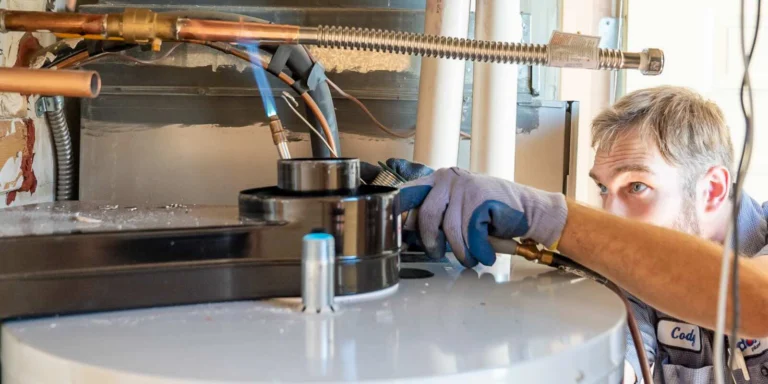
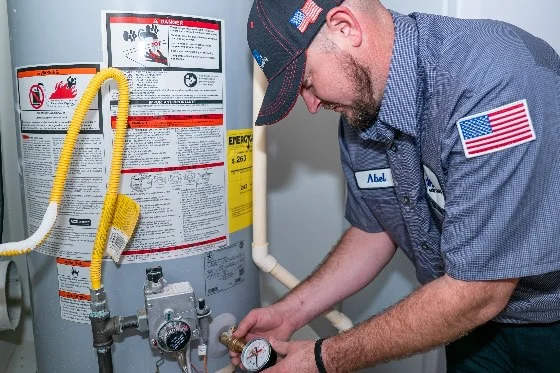
Position the new heater, reconnect the water lines (use dielectric unions if connecting copper to the unit’s steel nipples to prevent galvanic corrosion — important given Denver’s mineral-rich water), and reconnect the gas line or electrical supply. Install a new temperature and pressure relief valve if one didn’t come pre-installed, and run the discharge pipe to within 6 inches of the floor per code. For gas units, check all connections with leak-detection solution before lighting the pilot.
- A permit is required for water heater replacement in most Colorado municipalities — skip it and you may face issues at resale
- The T&P relief valve discharge pipe must terminate in a safe location, not over the heater itself
- Set the thermostat to 120°F to balance scalding prevention with Legionella control
- Flush the new tank once before full use to clear installation debris
- Colorado’s hard water accelerates sediment buildup — consider a water quality solution alongside the new unit
Why Most Homeowners Hire a Professional
The combination of gas work, permit requirements, high-altitude considerations, and the physical difficulty of moving a large appliance makes water heater replacement a job most Denver homeowners are better off leaving to a licensed plumber. A professional handles the permit, passes the inspection, warrants the installation, and can spot issues like a failing expansion tank or corroded shut-off valve that you’d miss on your own.
Done’s plumbing team replaces water heaters throughout the Denver metro — tank and tankless, gas and electric. Visit our water heater replacement page for details on what’s included, or reach out to get a free estimate on a new unit.