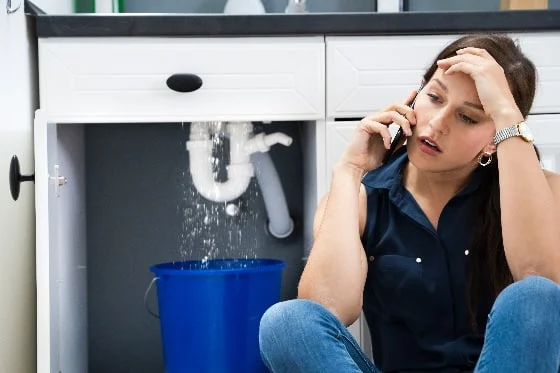
A plumbing emergency is any situation that poses an immediate risk of water damage, sewage contamination, or loss of essential service to your home. Common emergencies include burst pipes, sewage backups, a completely non-functional water supply, an overflowing toilet that can’t be stopped, or a major leak near electrical components. When in doubt, err on the side of calling a plumber right away — water damage compounds fast, especially in Colorado’s dry climate where woodwork and drywall can crack and warp quickly once saturated.
Signs You’re Dealing With a True Emergency
Not every plumbing issue demands a midnight call, but certain situations can’t wait until business hours. The key question is: can you stop the water flow and prevent damage while you wait, or is the situation actively getting worse?
- Burst or ruptured pipe — even a small burst can release dozens of gallons per minute. Shut off the main water supply immediately and call for emergency service.
- Sewage backup in multiple drains — if toilets, tubs, and floor drains are all backing up at once, the main sewer line is likely blocked. This is both a health hazard and an emergency.
- No water to the home — if you’ve verified the city supply is on but nothing comes out of any faucet, you have a serious supply-side problem.
- Leak near electrical panels or outlets — water and electricity are a dangerous combination. Shut off power to the affected area at the breaker and call immediately.
- Overflowing toilet that won’t stop — turn off the shutoff valve behind the toilet and call if the problem can’t be resolved with a plunger.
What to Do While You Wait for a Plumber
Knowing where your main water shutoff is located can prevent thousands of dollars in damage. In most Denver-area homes, the shutoff is near the water meter — often in a utility room, basement, or crawl space. If you’re on a slab, it may be in the garage or near an exterior wall. Turn it clockwise (righty-tighty) to stop flow to the entire house.
Once the water is off, open the lowest faucet in the house to drain remaining water from the lines. Move valuables, electronics, and furniture away from standing water. Take photos of any damage for your insurance claim before cleanup begins. If the issue involves sewage, keep people and pets out of affected areas until a professional has safely cleared and disinfected the space.
Situations That Can Usually Wait (But Shouldn’t Be Ignored)
A slow-draining sink, a running toilet, or a dripping faucet generally aren’t emergencies — but they’re still problems worth scheduling soon. A running toilet can waste 200 gallons of water per day, which adds up quickly on your utility bill. A dripping faucet with hard Colorado water can leave mineral deposits that make future repairs harder. The line between “inconvenience” and “emergency” can shift fast if ignored.
Frozen pipes in Colorado winters occupy a middle ground. A pipe that has frozen but not yet burst should be treated urgently — thawing it safely before it ruptures can prevent major damage. Never use an open flame to thaw pipes; use a hair dryer on low or warm towels, and call a plumber if you’re not sure the pipe is intact.
How Done Handles Plumbing Emergencies
Done offers emergency plumbing service to the Denver metro and Front Range communities. Our licensed plumbers arrive with fully stocked trucks so most emergency repairs are completed in a single visit. We diagnose the problem, explain exactly what we find, and give you a clear price before any work begins — even in the middle of the night.
Whether it’s a burst pipe after a hard freeze, a sewage backup threatening your finished basement, or a supply-line failure, our team is ready to respond. Don’t let a plumbing emergency turn into a restoration project — call as soon as you recognize the signs above.
For fast response when it matters most, visit our emergency plumbing page or explore our full range of plumbing services for Denver-area homeowners.