Done uses a range of drain and sewer line methods matched to what each situation actually calls for — beginning with a camera inspection to see what is inside the pipe before deciding how to treat it. The right method depends on what is causing the problem: a simple hair clog near the drain opening calls for something very different than a root-filled main sewer line or a structurally cracked lateral under a 1960s Denver home. Done’s drain team is equipped to handle everything from a slow kitchen drain to a complete sewer line rehabilitation, and we use the camera first so the treatment is targeted, not guesswork.
Drain Cleaning Methods
Cable auger (drain snake): A rotating steel cable with a cutting head is fed into the drain and turned to break up or retrieve a blockage. Snaking is fast and effective for soft clogs — hair, soap, and food debris — in branch lines like tub drains, bathroom sinks, and kitchen drains. It punches through the blockage and restores flow, though it does not clean the pipe walls the way jetting does. For a recurring slow drain that keeps coming back after snaking, the underlying issue is usually pipe wall buildup, and hydro jetting is the better solution.
Hydro jetting: A high-pressure water jet — typically 1,500 to 4,000 PSI depending on pipe size and condition — scours the interior of the pipe from wall to wall. A specialized nozzle sends jets both forward and backward, propelling the nozzle through the line while simultaneously cutting through grease, mineral scale, root masses, and debris. Hydro jetting leaves the pipe walls genuinely clean rather than just punched-through, which significantly extends the time before the problem returns. It is the preferred method for main sewer lines, grease-heavy kitchen lines, and any line where camera inspection shows heavy buildup. Denver’s hard water means mineral scale is a common finding — jetting is one of the few methods that actually removes it.
Sewer Line Repair and Rehabilitation
Trenchless pipe lining (CIPP): A resin-saturated liner is inserted into the existing pipe and cured in place, forming a new structural pipe inside the old one. Pipe lining is used when the camera reveals cracks, root entry points, corroded sections, or deteriorating pipe material that still has its basic shape. No excavation is needed beyond small access pits. The finished liner is smooth, joint-free, and root-resistant — typically carrying a 50-year service life expectation.
Pipe bursting: A bursting head is pulled through the existing pipe, fracturing it outward while simultaneously drawing a new HDPE pipe in behind it. This method replaces — rather than lines — the existing pipe, making it appropriate for severely deteriorated or partially collapsed sections where a liner cannot be supported. It is also used when the homeowner wants a full replacement rather than rehabilitation of an aging line.
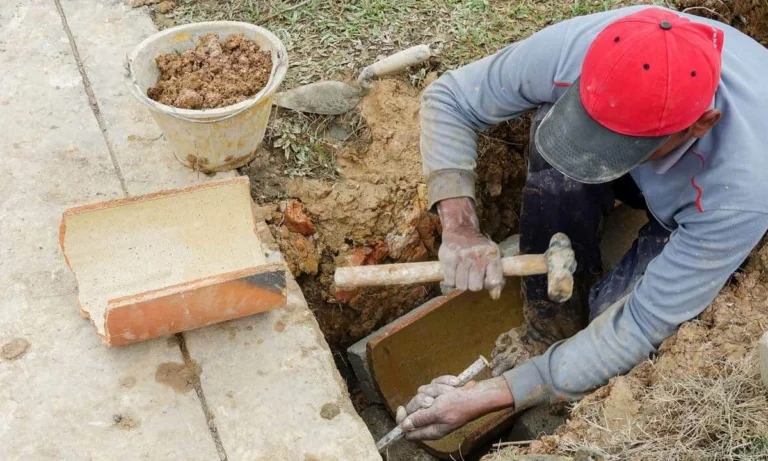
Traditional excavation: When a section of pipe has fully collapsed, has a significant belly that needs to be corrected, or is otherwise not accessible to trenchless methods, Done excavates to expose and replace that section. This is less common than it once was, but remains the right answer for certain conditions — particularly complete collapse, severe misalignment, or where access points for trenchless equipment cannot be established.
Diagnostic Tools That Drive Every Decision
- Sewer camera inspection: Live video of the pipe interior to identify the type, location, and severity of any problem
- Pipe locating: The camera transmitter pinpoints the above-ground location and depth of any issue, guiding both repair planning and any excavation that may be needed
- Post-repair camera verification: A camera run after cleaning or repair confirms the work was successful and the line is clear and properly seated
Emergency Service Is Also Available
A sewer backup does not wait for business hours. Done offers emergency drain cleaning for situations that cannot wait — raw sewage backing up into the home, multiple fixtures failing at once, or a complete main line blockage. The same diagnostic-first approach applies even in an emergency: we camera the line to confirm what is happening before we start clearing, so the repair is done right the first time.
To learn more about Done’s full range of drain and sewer capabilities, visit our drains and sewer services page. If you’re dealing with a slow drain or a recurring blockage right now, contact Done to get a camera inspection scheduled and find out exactly what your line needs.