In a plumbing emergency — a burst pipe, a flooding water heater, a sewage backup, or a gas-smell situation — the most important first step is to shut off water or gas at the source. Stopping the flow of water immediately limits the damage; every minute of uncontrolled water means more saturated flooring, more water in wall cavities, and more expense. Once the immediate source is controlled, call Done’s emergency plumbing line for same-day response from a licensed plumber.
Step 1: Shut Off the Water
Every homeowner should know the location of their main water shutoff valve before an emergency happens. In Denver-area homes, the main shutoff is typically in the basement near the front of the house, in a mechanical room, or in a crawl space near the point where the supply line enters. Turn it clockwise to close. If the leak is isolated to a specific fixture — a toilet supply line, a water heater, a sink valve — you can often shut off just that fixture without affecting the rest of the house. For a toilet, the shutoff is typically on the wall behind the toilet. For sinks, look under the cabinet.
If you can’t locate or operate the main shutoff — which is a common problem in older homes where the valve hasn’t been turned in years — call Done immediately and describe the situation. We can advise you on next steps while a technician is en route.
Step 2: If There’s a Gas Smell, Leave First
A gas smell combined with a plumbing problem — particularly near a water heater or boiler — is a different kind of emergency. If you smell gas, do not operate any electrical switches, light any flames, or use your phone inside the home. Leave immediately, leave the door open as you exit, and call your gas utility and 911 from outside. Do not re-enter until the gas company has cleared the building. Done’s plumbers can address gas line connections and appliance hookups once the utility has verified the situation is safe.
Step 3: Minimize Water Damage While You Wait
Once the water is shut off, a few quick actions can limit secondary damage:
- Move electronics, furniture, and valuables out of the affected area
- Place towels, buckets, or a wet/dry vacuum to collect standing water
- Take photos of all visible damage before any cleanup — your insurance claim will need documentation
- Open windows if weather permits to begin drying the space
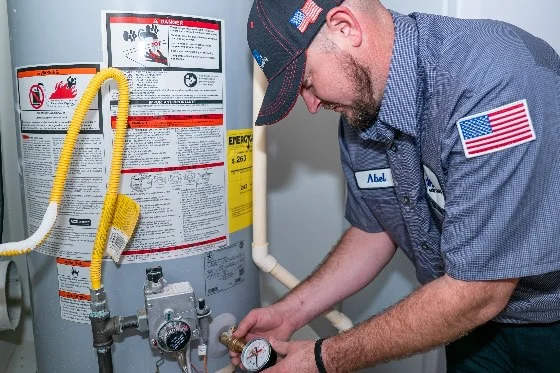
- Turn off the water heater if the hot water supply has been cut — running a water heater without water in the tank can damage the heating element
Common Plumbing Emergencies Done Responds To
Done’s emergency plumbing team handles the full range of urgent plumbing situations:
Burst and frozen pipes are among the most common Front Range emergencies, particularly during January and February cold snaps when overnight temperatures drop sharply. Sewer line backups — where sewage comes up through floor drains or tub drains — require immediate response to prevent contamination of living areas. Water heater failures, major supply line leaks, and broken shutoff valves that won’t close are also situations where waiting until the next business day isn’t a reasonable option.
What Happens When Done Arrives
Our emergency plumbers arrive with stocked trucks carrying the parts most commonly needed for urgent repairs. We assess the situation, give you an upfront price before starting any work, and address the immediate problem. In some cases — a cracked pipe in a finished wall, a failed main shutoff valve, a water heater that’s failed internally — the emergency repair is a temporary fix that gets water flowing safely, followed by a scheduled follow-up for the permanent solution. We’ll be transparent about what’s an emergency repair versus what needs a more involved fix.
After the Emergency: Follow-Up Steps
Once the immediate crisis is resolved, a few follow-up steps protect you from secondary problems. If water entered wall cavities or flooring, a professional drying company should assess moisture levels — mold can develop within 24 to 48 hours in wet materials. Contact your homeowner’s insurance carrier to file a claim if the damage is significant. And consider scheduling a broader plumbing inspection with Done to identify any other aging components that could become the next emergency — a Care Club membership includes annual plumbing inspections that catch these issues before they become urgent.
If you’re in the middle of a plumbing emergency right now, call Done immediately. For non-emergency plumbing needs, visit our plumbing services page to schedule service.