When your main sewer line needs repair, the process starts with a camera inspection to document exactly what is wrong and where, followed by a recommendation for the right repair method — trenchless lining, pipe bursting, or traditional excavation — based on what the camera reveals. From there, the repair is performed, a post-repair camera run confirms the work is correct, and the line is restored to service. The entire process is usually completed within one to three days for most residential situations, though complexity, depth, and surface restoration can extend that timeline. Done will walk you through every step before work begins so there are no surprises.
Step One: Confirming the Problem With a Camera
Before any repair decision is made, a sewer camera inspection is run through the full length of the lateral. The camera maps the pipe’s interior condition — cracks, root intrusion, joint offsets, bellies, corrosion, and any collapsed sections — and a transmitter in the camera head lets the technician pinpoint the above-ground location and depth of each problem. This information determines which repair method is appropriate and exactly how much pipe needs to be addressed. A thorough camera inspection is the foundation of a well-planned repair; without it, the scope is a guess.
Choosing the Right Repair Method
The camera findings drive the repair recommendation. Pipes with cracks, root entry points, joint deterioration, or corrosion that still maintain their basic shape are candidates for trenchless pipe lining (CIPP) — an epoxy resin liner cured inside the existing pipe that forms a new structural pipe within the old one, with no excavation beyond small access pits. Pipes that are severely deteriorated, partially collapsed, or made of materials that cannot support a liner (like crumbling Orangeburg) may be candidates for pipe bursting, which fractures the old pipe outward while pulling a new HDPE pipe in behind it. Sections that are fully collapsed, severely misaligned, or where trenchless access cannot be established require traditional excavation and replacement. Often, different sections of the same lateral call for different approaches.
What Happens During the Repair
For trenchless lining, the pipe is first cleaned thoroughly — typically with hydro jetting — to prepare the pipe walls for the liner. The resin-saturated liner is then inserted and cured in place, and a post-repair camera run confirms the liner is properly seated and the line is clear and flowing. For excavation, the trench is opened, the damaged pipe is replaced with new PVC at the correct slope, and again a camera run after backfill confirms the repair before the surface is restored. In either case, you are not asked to sign off on a completed repair on faith — the camera is the quality verification step.
What to Expect Regarding Disruption
- Trenchless repair: Minimal surface disruption. Access pits are small — typically 2×2 feet — and landscaping, driveways, and hardscaping above the pipe are left largely intact.
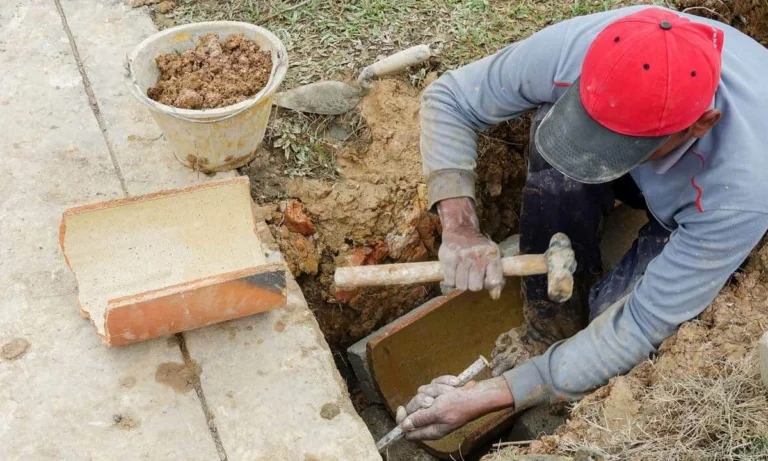
- Excavation: The trench runs the length of the damaged section and can be four to eight feet deep in the Denver metro, given soil conditions and pipe depth. Surface restoration follows after backfill is compacted.
- Water service: You will need to avoid using toilets, sinks, and other fixtures during the repair work itself. Done will let you know the expected window for service interruption, which is typically just the hours the crew is actively working.
Cost and Financing
Sewer line repair costs vary significantly based on pipe length, depth, method, and surface restoration required — there is no meaningful average that applies to every situation. After the camera inspection, Done provides a clear written estimate specific to your line’s condition. If the scope of the repair is a financial concern, Done offers financing options to help spread the cost. Sewer line repairs are also worth checking with your homeowner’s insurance policy — depending on your coverage, some or all of the repair may be covered, particularly if the damage resulted from a sudden event rather than gradual deterioration.
The main sewer line is one of the most critical systems in your home — getting the repair done correctly the first time matters far more than finding the cheapest option. Done’s team is licensed, experienced with Front Range soil conditions and older pipe materials, and committed to doing the inspection and repair properly. Visit our drains and sewer services page to learn more or schedule an assessment.