Licensed plumbers repair and replace water heaters. For gas water heaters, you want a plumber who is also qualified to work on gas lines — which Done!’s technicians are. For electric water heaters, some repairs overlap with electrical work, though the water heater connection itself typically falls under the plumber’s scope. The key is to hire someone licensed, insured, and experienced with the specific type of unit you have — tank, tankless, or heat-pump water heater.
What a Plumber Does for Water Heater Repairs
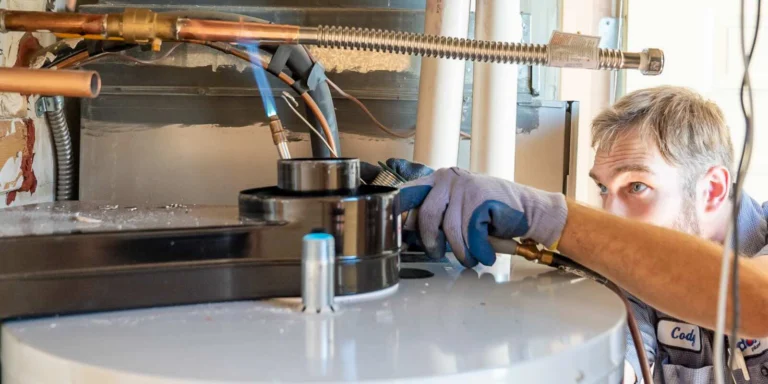
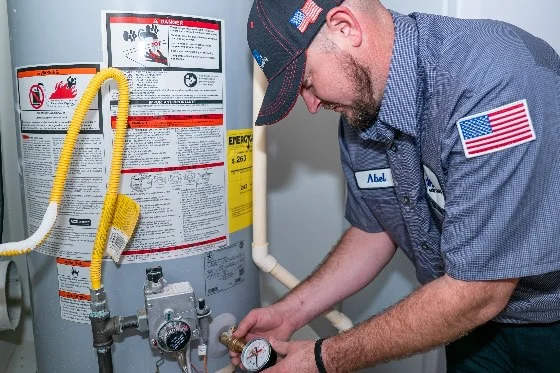
When your water heater stops producing hot water, produces too little, makes rumbling or popping noises, or shows signs of leaking, a plumber will diagnose the problem and recommend repair or replacement. Common repair jobs include replacing a failed thermostat or heating element (on electric units), relighting or replacing a faulty pilot assembly or thermocouple (on gas units), flushing sediment buildup, and replacing the anode rod — a sacrificial metal rod that protects the tank from corrosion and is especially important in Denver’s moderately hard water.
Gas vs. Electric vs. Tankless
- Gas tank water heaters: Most common in Denver-area homes. A plumber handles the gas connection, venting, and all internal components. Proper altitude adjustment matters here — gas appliances at 5,280 feet need correct orifice sizing and venting.
- Electric tank water heaters: Plumbers handle the plumbing connections and internal components; a licensed electrician may be needed if the 240V supply circuit has an issue.
- Tankless water heaters: Whether gas or electric, tankless units have more complex controls and require specialized knowledge. Done!’s team installs and services tankless water heaters and knows how to size them properly for Colorado’s cold incoming water temperatures (which are lower than in warmer states and affect flow rate capacity).
When to Repair vs. Replace
A plumber will help you weigh whether a repair makes financial sense versus a full replacement. General rule of thumb: if your tank water heater is more than 10–12 years old and requires a major repair, replacement is often the smarter investment. Younger units with a single failed component — a thermocouple, an element, a faulty expansion tank — are usually worth repairing. Leaking tanks are almost always a replacement situation, since internal tank corrosion can’t be reversed. Our water heater repair page covers what’s typically fixable, and our replacement page outlines your options when it’s time for a new unit.
Colorado-Specific Considerations
Hard water accelerates sediment buildup inside tank water heaters, reducing efficiency and shortening lifespan. Denver homeowners often hear a rumbling or popping sound from their water heater — that’s sediment on the bottom of the tank being disturbed by the heating element or burner. Annual flushing and periodic anode rod inspection can extend your unit’s life significantly. If your home has very hard water, a water softener or treatment system can also protect the water heater along with your other plumbing fixtures.
Permits and Code Requirements
Water heater replacements in Colorado typically require a permit, especially when gas lines or the electrical circuit are involved. Done! handles the permit process as part of the installation, so you don’t have to navigate that yourself. This also ensures the work is inspected and meets current code — important for your home’s resale value and insurance standing.
If your water heater is acting up, Done!’s licensed plumbers serve the Denver and Aurora metro and can usually get to you same day or next day. Explore our full range of water heater services or call us to schedule a diagnostic visit.