Most homeowners only think about a plumbing inspection when a real estate transaction is on the line — but the truth is that a proactive inspection is far more valuable before you have a problem than after. Hidden leaks, corroding pipes, slow-building drain blockages, and failing water heaters often give no obvious warning signs until they cause serious damage. A plumbing inspection is how you find those issues while they’re still minor and inexpensive to fix.
Most Plumbing Problems Are Silent Until They’re Serious
A pinhole leak behind a wall may drip for months before visible water damage appears — by which point you’re looking at mold remediation and drywall repair in addition to the pipe fix. A water heater with a corroding anode rod and heavy sediment buildup will underperform for years before it fails and floods your utility room. A sewer line with slow-growing root intrusion won’t fully back up until it’s completely blocked. These are the kinds of problems a professional inspection catches before they escalate.
Colorado Conditions That Accelerate Plumbing Wear
Denver and Front Range homes face specific conditions that accelerate plumbing system wear faster than the national average:
- Hard water: Colorado’s water supply is high in dissolved calcium and magnesium, which builds up as scale inside pipes, water heaters, and fixtures — reducing flow, shortening appliance life, and eventually causing leaks at joints and connections.
- Expansive clay soils: Much of the Front Range sits on expansive, shrink-swell clay. As soils shift seasonally, underground sewer and water lines move with them — cracking, separating at joints, or developing bellies (low spots that collect debris and cause backups).
- Freeze risk: Colorado’s wide temperature swings — warm afternoons and below-freezing nights — put outdoor and poorly insulated pipes at risk of freezing and bursting, particularly in crawl spaces and garage walls.
- Older home stock: Many Denver-area homes were built in the 1950s–1980s with galvanized steel or early polybutylene pipes that have a finite lifespan and are now reaching end-of-life.
What a Plumbing Inspection Covers
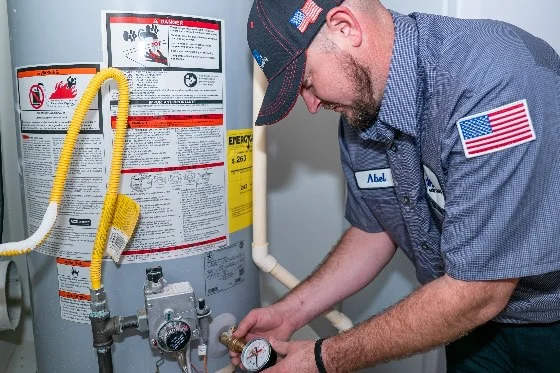
A professional plumbing inspection goes well beyond a visual check. Done’s plumbers assess water pressure (high pressure above 80 PSI accelerates wear on all fixtures and appliances), check the water heater’s condition and age, inspect accessible supply and drain lines for signs of corrosion or leaking, test every fixture for proper operation, and can run a sewer camera to inspect the main line — the single most expensive repair a homeowner can face. A camera inspection is particularly valuable for homes over 20 years old or on properties with mature trees whose roots migrate toward sewer lines.
The Cost Math Favors Prevention
A plumbing inspection is a fraction of the cost of a water damage claim or emergency sewer repair. Finding a failing anode rod now means scheduling a water heater maintenance visit on your schedule rather than an emergency emergency plumbing call at midnight when the tank finally fails. Finding a slowly-blocking sewer line now means a straightforward drain cleaning or pipe lining rather than an excavation job.
If inspection reveals water quality concerns — hard water scale, sediment, or contamination — our team can also recommend the right water quality and treatment solution for your home.
When’s the Right Time to Schedule One?
Any of these situations makes a plumbing inspection especially worthwhile: your home is more than 15–20 years old; you’ve noticed reduced water pressure; drains are slow in multiple fixtures; your water heater is approaching 10 years old; you’ve had a cold snap and want to confirm no pipes were damaged; or you simply haven’t had a professional look at your plumbing system in several years.
Done’s plumbers give you a complete picture of your plumbing system’s health with no pressure to buy anything you don’t need. Schedule a plumbing inspection and know exactly where you stand before a small issue becomes a big one.