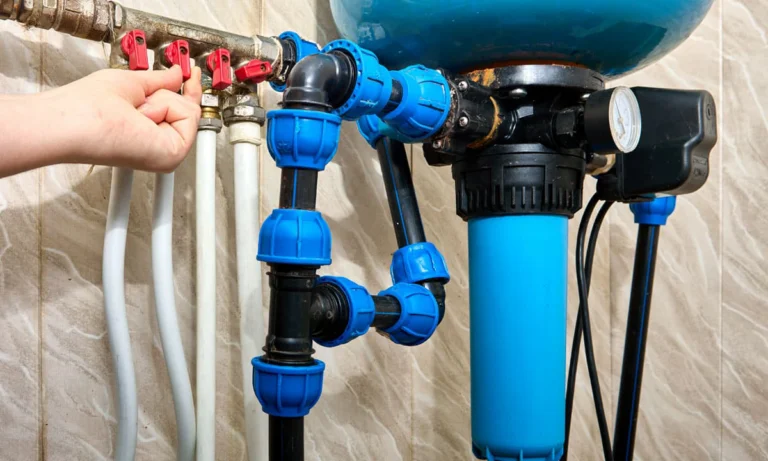
Yes, reverse osmosis systems do produce wastewater as part of their filtration process — but how much depends on the system. Older or lower-quality units can waste three to four gallons of water for every one gallon of purified water they produce. Newer, high-efficiency RO systems have improved that ratio significantly, with some models reaching close to a 1:1 or 2:1 reject-to-product ratio. Understanding how RO works — and how to minimize the waste — helps you make a smarter choice for your Denver home.
Why Reverse Osmosis Produces Wastewater
Reverse osmosis forces water through a semi-permeable membrane under pressure. That membrane is dense enough to block dissolved minerals, heavy metals, nitrates, chlorine byproducts, and other contaminants — but it can’t filter 100% of what passes through it. The water that carries the rejected contaminants away is called the concentrate stream, or simply the drain water. Without that flushing action, the membrane would clog quickly and stop working. So some wastewater is inherent to how the technology functions.
Here in Colorado, our water supply already carries a significant mineral load. Denver-area water is moderately hard to hard, meaning there is a substantial amount of dissolved calcium and magnesium that the membrane has to reject. That mineral concentration in the feed water affects how hard the membrane has to work and, consequently, how much flush water is needed.
Factors That Determine How Much Water Is Wasted
Not all RO systems are created equal. Several variables affect the wastewater-to-product ratio:
- Membrane quality and age: A worn or fouled membrane requires more pressure and produces more reject water. Membranes typically need replacement every two to three years.
- Feed water pressure: Low incoming pressure forces the system to work harder. Denver homes with pressure below 50 PSI may see worse efficiency ratios.
- Feed water temperature: Cold water — common in Colorado winters — slows the filtration rate and can increase wastewater production. RO membranes perform best at around 77°F.
- Total dissolved solids (TDS) in your water: Higher TDS means more contaminants to reject, which typically means more flush water needed.
- System design — tank-fed vs. tankless: Newer tankless or permeate pump systems use the pressure of incoming water more efficiently and reduce drain flow substantially.
Modern Systems Have Come a Long Way
If you’ve heard that RO systems are wasteful and written them off, it’s worth revisiting. The industry has made real strides. Permeate pumps, which use the energy in the drain water to boost pressure at the membrane, can cut wastewater by 75% or more compared to a standard gravity-drain system. Some tankless RO models now advertise a 1:1 ratio — one cup of drain water for every cup of purified water produced.
For a family of four in the Denver metro, a properly sized and efficient RO system might drain anywhere from 1 to 3 gallons of water per day during normal use. That’s a meaningful amount over a year, but it’s modest compared to the water used by a single short shower. Weighed against the benefit of consistently clean drinking water — free of chloramines, lead, and nitrates — most homeowners find the trade-off reasonable.
What You Can Do to Reduce RO Wastewater
If water conservation is a priority, there are practical steps to take. First, have your incoming water pressure checked — if it’s low, a small booster pump can improve efficiency considerably. Second, stay on top of filter and membrane replacements; a degraded membrane wastes far more water than a healthy one. Third, look for systems with a permeate pump or a built-in efficiency rating when you’re shopping for a new unit.
Some homeowners choose to route the drain water to a plant watering system or use it for non-potable household tasks. The concentrate water isn’t unsafe — it’s just water with a higher mineral content than normal tap water. Check with a plumber before rerouting drain lines to make sure your setup stays code-compliant.
Is a Reverse Osmosis System Still Worth It for Your Colorado Home?
For most Denver-area homeowners, yes. Colorado’s water contains chloramines (used instead of chlorine for disinfection in many Front Range systems), naturally occurring nitrates in some areas, and the mineral hardness that scale-prone fixtures and appliances make obvious over time. RO is one of the most effective point-of-use technologies for removing a broad spectrum of contaminants — and when paired with a whole-home water softener or pre-filter, its efficiency and membrane life both improve.
The Done team can test your water, walk you through your options, and install a system that balances filtration performance with water efficiency. Visit our water quality and treatment page to learn more, or reach out to schedule a water quality assessment. If you’re also concerned about hard water scale on your water heater and fixtures, our water heater services team can help you protect those investments at the same time.