It’s the hottest stretch of the summer on the Front Range, and your air conditioner has developed a nervous tic — it kicks on, runs a couple of minutes, shuts off, then starts right back up. That start-stop pattern is called short cycling, and it’s one of the most common (and most damaging) AC complaints we hear in late August. Below, the team at Done! Plumbing, Heating, Cooling & Electric explains what AC short cycling is, what causes it, and when it’s time to call for help in Aurora, Denver, Parker, and across the metro.
What Is AC Short Cycling?
A healthy central air conditioner runs in fairly long, steady cycles — often 15 to 20 minutes at a time, and longer on a 95-degree afternoon. It cools to the setpoint, shuts off, and rests until the temperature creeps back up.
Short cycling is when that rhythm breaks down. The system starts, runs for just a few minutes, and shuts off before it finishes a real cooling cycle — then starts again a short while later, over and over. If your AC turns on and off frequently — sometimes several times an hour without ever making the house comfortable — that’s a symptom worth taking seriously.
One quick distinction: on brutally hot days, near-constant running is normal. Rapid on-off-on cycling every few minutes is not.
What Causes an Air Conditioner to Short Cycle?
Air conditioner short cycling has causes ranging from a two-minute fix to a failing compressor — here they are, from simple to serious.
A Clogged Air Filter
The most common culprit is also the cheapest. By mid-August, your filter has been catching dust, pet hair, and summer smoke haze since June. When it clogs, airflow across the indoor coil drops, the system strains, and built-in safety switches can shut it down early. Check the filter first — always.
Thermostat Trouble or Poor Placement
A thermostat mounted in direct sun, near a supply vent, or on a wall by a hot kitchen reads temperatures the rest of the house isn’t feeling, so it starts and stops the system at the wrong times. Dying batteries and aging thermostats cause erratic cycling too; if the trouble began right after a thermostat swap, there’s your suspect.
A Frozen Evaporator Coil
Restricted airflow or low refrigerant can let the indoor coil ice over. The system shuts down on a safety limit, the ice partially melts, it restarts, and the cycle repeats. Telltale signs: weak airflow, ice on the copper refrigerant lines, or water pooling around the indoor unit.
Low Refrigerant or a Leak
When refrigerant leaks out, system pressure falls and a low-pressure switch cuts the compressor off to protect it. Pressures equalize, the unit tries again, and shuts off again. Refrigerant isn’t a fluid you top off — a low charge means a leak, and finding and fixing it is licensed-technician work. That’s classic AC repair territory.
Electrical and Capacitor Problems
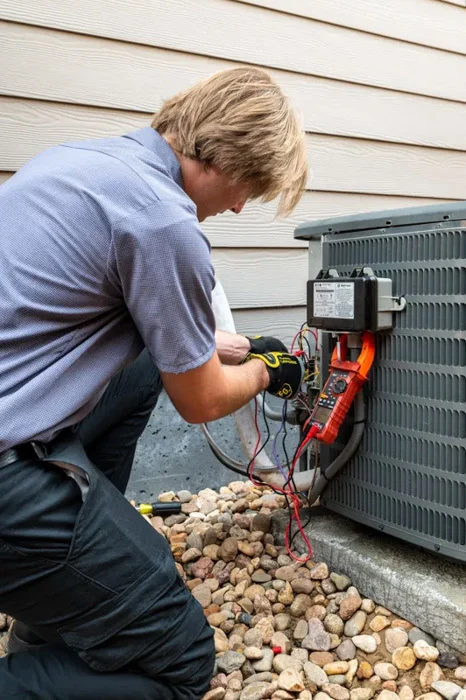
The run capacitor gives your compressor and fan motors the jolt they need to start and keep spinning. As capacitors weaken — and hot summers are hard on them — the compressor may hum, struggle to start, overheat, and trip off within minutes. Failing contactors and loose connections cause similar stop-start behavior. These faults worsen quickly and are the likeliest to take the compressor down with them.
An Oversized Air Conditioner
If your AC has short cycled since the day it was installed, it may simply be too big for the house. An oversized unit blasts the thermostat into satisfaction in a few minutes, shuts off before it dehumidifies or evens out room temperatures, then repeats. No repair fixes a sizing mistake — that gets corrected with a proper load calculation at air conditioner replacement time.
Why Short Cycling Costs You More Than Comfort
Letting a short-cycling AC limp through the rest of the summer is expensive in ways that don’t show up until later:
- Higher electric bills — an AC draws its biggest power surge at startup, and starting six times an hour instead of twice pays that penalty repeatedly without delivering more cooling.
- Compressor wear — startup is the hardest moment in a compressor’s life. Multiply the starts and you multiply the wear on the single most expensive component in your system.
- Sticky, uneven cooling — short runs never move enough air to pull humidity out or reach the far bedrooms, so the house feels clammy even when the thermostat says it shouldn’t.
- Tripped breakers and nuisance shutdowns — repeated high-draw starts can heat wiring and trip breakers, killing your cooling at the worst possible moment.
- A shorter system lifespan — cumulative stress shaves years off equipment that should have lasted much longer.
What You Can Check Yourself — and When to Call
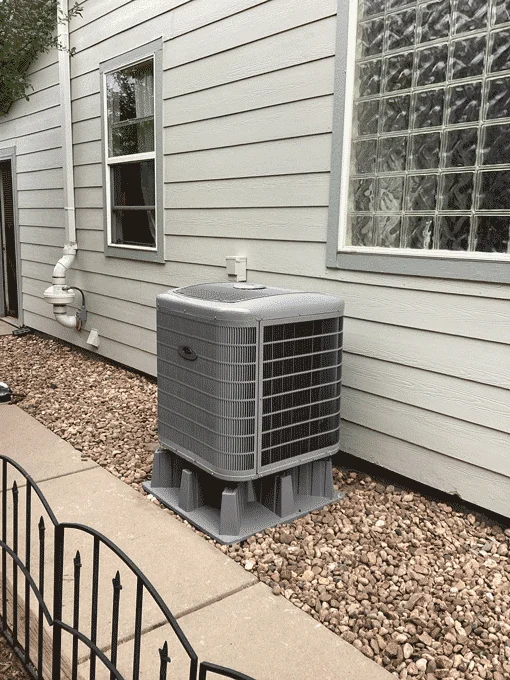
Before you pick up the phone, run through the safe stuff: swap in a clean filter, check the thermostat’s batteries and settings (make sure a lamp or sunbeam isn’t cooking it), and clear cottonwood fluff, grass clippings, and anything else crowding the outdoor unit. If you see ice on the lines, switch cooling off and run the fan only for a few hours so the coil can thaw, then see if normal cycling returns.
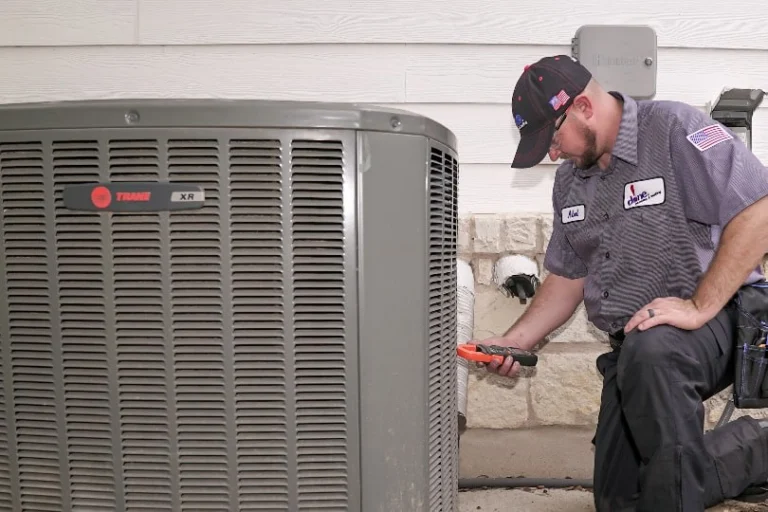
Call a professional if the cycling continues after those checks, if the coil re-freezes, if a breaker trips more than once, or if you hear clicking, humming, or hard-start noises from the outdoor unit. Those point to refrigerant or electrical faults that only get pricier with time. And if the system gives out entirely during a heat wave, emergency AC repair is available — no waiting until Monday.
Most of the causes above — dirty filters, weak capacitors, low airflow, early-stage leaks — are exactly what a seasonal AC tune-up is designed to catch before they become no-cool calls.
Frequently Asked Questions
How long should my AC run per cycle?
Most systems run about 15 to 20 minutes per cycle in moderate heat, cycling two or three times an hour. On very hot Front Range afternoons, much longer runs — even near-constant running — are normal. Starting and stopping every few minutes without cooling the house is not.
Can I keep using an AC that’s short cycling?
For a day or two while you troubleshoot, usually yes — but every extra start stresses the compressor, and a failed compressor is often the repair that totals an aging system. If you see ice, smell burning, or a breaker keeps tripping, shut it down and get it looked at promptly.
Would a bigger AC fix short cycling?
Almost always the opposite — oversizing is a leading cause of chronic short cycling, because the unit satisfies the thermostat before finishing a proper cycle. The fix is correct sizing from a load calculation, not more capacity.
Get Your AC Back to Long, Quiet Cycles
Short cycling rarely fixes itself, and August is no month to gamble on a compressor. If your air conditioner is stuck in a start-stop loop, schedule professional AC repair or contact Done! to get a technician headed your way. We provide air conditioning repair in Aurora and serve neighbors from Parker to Thornton across the Denver metro. One call… it’s Done!