The most effective way to prevent drain and sewer line problems is a combination of daily habits that control what enters the system, periodic professional maintenance, and an occasional camera inspection to catch developing issues before they become failures. Most serious sewer problems — root intrusion, grease-packed lines, collapsed pipe sections — give early warning signs that are easy to miss without knowing what to look for.
What Not to Put Down Your Drains
The single highest-impact habit is being intentional about what goes into your drains. Grease and cooking oil are the leading cause of kitchen drain clogs — even small amounts coat pipe walls with every pour, and the buildup accelerates in Colorado’s hard water, where mineral scale provides an additional surface for grease to stick to. Let grease cool and dispose of it in the trash.
- Kitchen drains: no grease, oil, coffee grounds, pasta, rice, or fibrous vegetables — even with a garbage disposal
- Toilets: flush only human waste and toilet paper — no “flushable” wipes, feminine products, cotton swabs, or paper towels
- Bathroom drains: use drain covers or hair catchers to keep hair out of tub and shower drains
- Floor drains: keep strainers in place and prime the P-trap monthly in unused drains (Colorado’s dry climate evaporates traps faster than most homeowners expect)
Understand Your Colorado-Specific Risk Factors
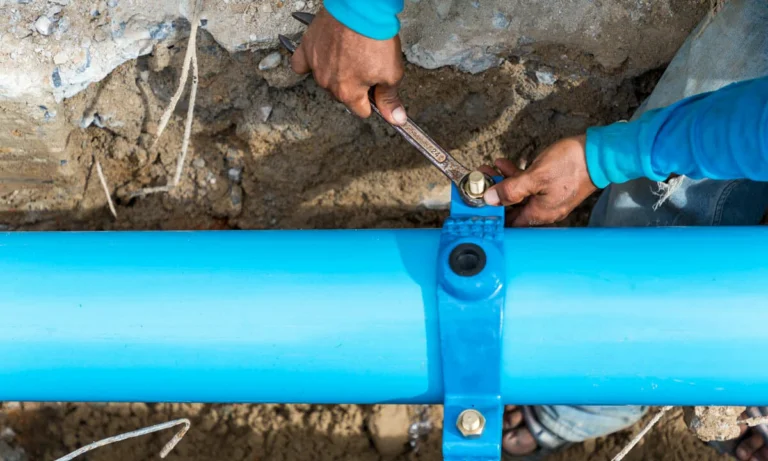
The Denver metro and Front Range present a specific set of conditions that accelerate drain and sewer problems. Colorado’s hard water deposits calcium and magnesium scale inside pipes over years, gradually narrowing the flow path. The expansive clay soils common across the metro shift significantly with moisture changes — the freeze-thaw cycle each spring and the wet-dry swings from summer storms can move soil enough to crack or offset underground pipe joints.
Tree root intrusion is particularly common in established Denver, Aurora, and Lakewood neighborhoods where mature cottonwoods, elms, and willows have had decades to grow toward water sources. Roots don’t break into a perfect pipe — they exploit existing micro-cracks and joint gaps, then expand and eventually obstruct the line. Knowing your property has large trees near the sewer lateral is reason enough to schedule a camera inspection proactively.
Schedule Professional Drain Maintenance
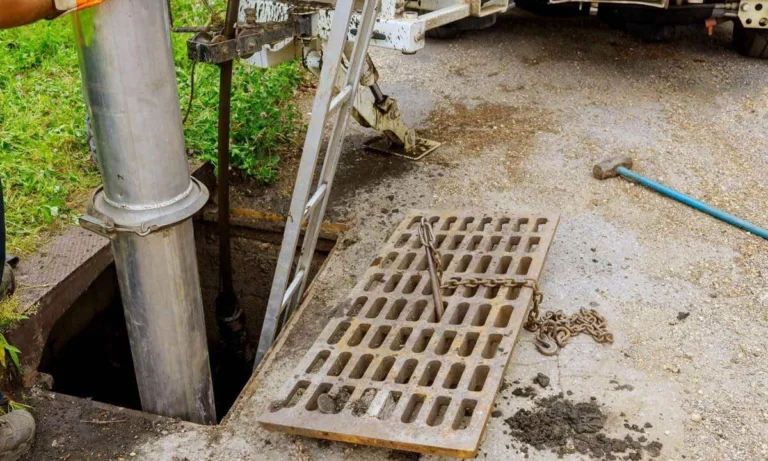
Even with careful habits, some buildup is inevitable. A professional drain cleaning every year or two — either a cable cleaning for lighter maintenance or hydro jetting for a thorough scour of pipe walls — removes what daily use accumulates. Hydro jetting is particularly effective at removing mineral scale and grease from kitchen lines, and it’s the right choice when a camera inspection shows significant buildup.
Done’s Care Club membership includes priority scheduling and can be paired with regular drain maintenance visits so you’re not waiting until something fails to address it.
Get a Camera Inspection for Older Homes
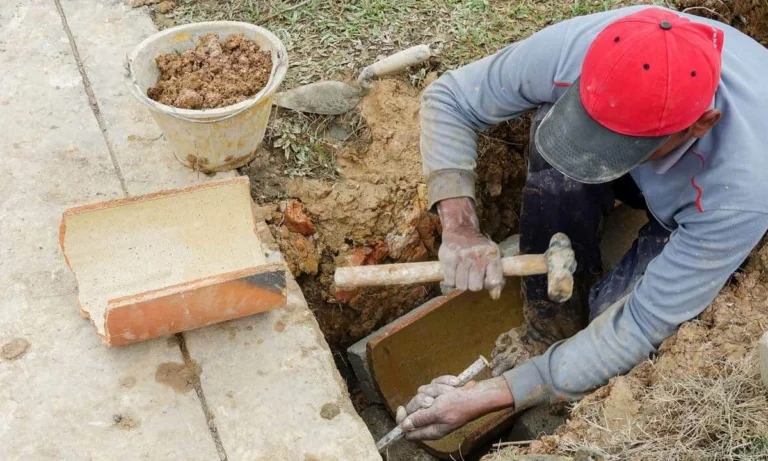
If your home was built before 1980, there’s a meaningful chance your sewer lateral is clay tile or Orangeburg pipe — materials that degrade over time and are susceptible to root intrusion and cracking. A sewer camera inspection takes about an hour and gives you a clear picture of your pipe’s interior condition: joint integrity, root presence, scale buildup, and any sagging sections (bellies) where water pools.
Catching a crack or root intrusion early may mean a targeted pipe lining repair instead of a full sewer line replacement. The difference in cost and disruption is significant — trenchless repairs preserve your yard, while a missed failure that leads to a collapse means excavation and a much larger project.
To schedule preventive drain maintenance or a sewer camera inspection, visit our drain cleaning page. Learn more about trenchless repair options at our pipe lining page or sewer services page. For a deeper clean of built-up lines, our hydro jetting service is the most thorough option available.