Dirty air handler coils — specifically the evaporator coil inside your air handler or furnace cabinet — are one of the most common causes of reduced HVAC efficiency, weak airflow, and poor indoor air quality. Whether you can clean them yourself depends on how dirty they are and how accessible they are in your specific system. Light surface dust can sometimes be carefully addressed by a handy homeowner; heavy biological buildup, mold growth, or coils in tight or complex configurations should be handled by a licensed HVAC technician.
Why Coil Cleanliness Matters
The evaporator coil is where refrigerant absorbs heat from your indoor air in cooling mode, and where moisture condenses out of the air (dehumidification). A layer of dust and debris on the coil acts as insulation, reducing the coil’s ability to transfer heat and making the system work harder to achieve the same result. A heavily fouled coil can reduce system capacity by 20–30% and cause the coil to freeze up — literally ice over — because the reduced heat transfer causes refrigerant temperatures to drop below freezing.
In Colorado’s climate, a partially frozen coil is a common diagnostic finding on service calls in summer. The system runs but barely cools, and homeowners often don’t realize the coil is iced until a technician looks inside. The fix starts with thawing the coil and then addressing the underlying cause — which is often restricted airflow from a dirty filter or dirty coil.
What DIY Coil Cleaning Involves
If you want to attempt light coil cleaning yourself, here’s the honest picture of what it involves:
- Turn off the system at both the thermostat and the circuit breaker before opening any access panels. This is non-negotiable — working near a live air handler with moving parts and electrical components is dangerous.
- Access the coil by removing the access panel on your air handler cabinet. Some units have easily removable panels; others require sheet metal screws and careful disassembly. If the coil isn’t clearly visible and accessible without significant disassembly, stop here and call a professional.
- Inspect before cleaning — if you see significant mold growth (dark fuzzy patches, not just dust), do not attempt to disturb it yourself. Mold on HVAC coils can be extensive and cleaning it improperly can spread spores throughout the system and your home.
- Light dust can be removed with a soft brush or can of compressed air, working gently along the direction of the fins (not across them — the aluminum fins bend easily and bent fins restrict airflow).
- Coil cleaner — foaming no-rinse coil cleaners are available at HVAC supply stores and are designed for evaporator coils. Follow instructions carefully. The foam lifts debris and drains into the condensate pan. Do not use household degreasers or bleach on coils.
When to Call a Professional
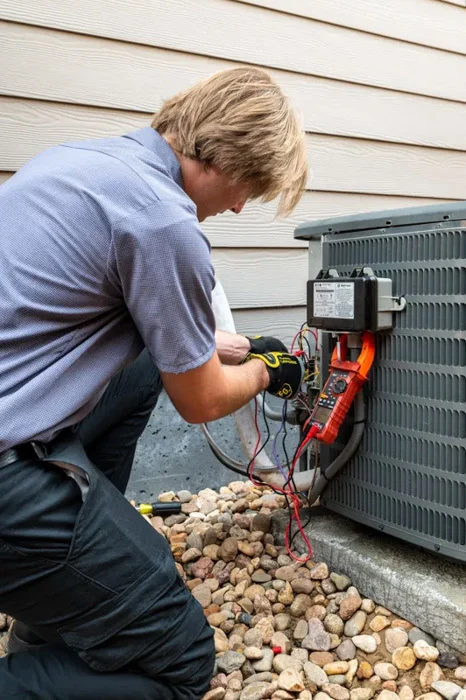
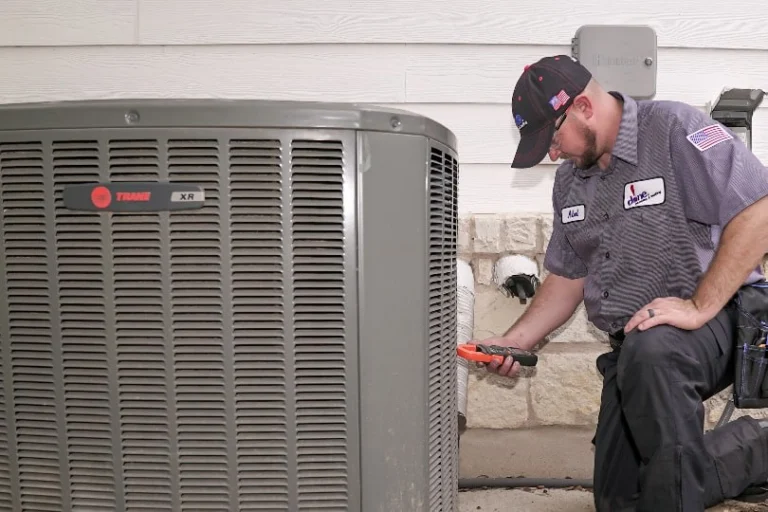
Professional coil cleaning is the right call in most situations beyond light surface dust. A technician has access to commercial-grade coil cleaning products, proper training in handling refrigerant-carrying equipment, and tools to clean coils thoroughly without damaging the fins or the refrigerant lines. They’ll also inspect the condensate drain pan and line — which collects the water that drips off the coil — and clear any blockage before it overflows and causes water damage.
If the coil cleaning reveals heavy biological growth, a Done technician can assess whether a UV-C germicidal system installed near the coil would prevent re-contamination — which it typically does very effectively. A UV lamp aimed at the evaporator coil keeps it biologically clean between service visits and is one of the best investments for long-term coil health.
Prevention Is Better Than Cleaning
The best way to keep evaporator coils clean is consistent air filter maintenance. Nearly all coil contamination arrives via the air passing through the system — if the filter is catching the particles, they never reach the coil. A quality MERV 11–13 filter changed on schedule (every 60–90 days, more often in homes with pets or during wildfire smoke events) is the single most effective coil protection available. Done’s annual maintenance visits include coil inspection and cleaning as needed, so issues get caught before they cause system damage or efficiency losses.
For professional coil cleaning, system diagnostics, or to discuss UV systems that prevent future biological growth, visit our AC maintenance page or explore indoor air quality solutions. Done’s technicians service systems throughout Denver and the Front Range — schedule your maintenance visit before the next cooling season to avoid peak-season wait times.