Done uses trenchless pipe lining and pipe bursting as the default approach for sewer line replacements, which means most jobs require little to no digging across your yard. When excavation is unavoidable, the crew works in targeted sections rather than opening a full trench from house to street, and every step from utility marking to surface restoration is managed by the same team so nothing falls through the cracks.
Trenchless Methods Come First
Before any shovel breaks ground, a Done technician runs a sewer camera inspection through the line to assess pipe material, depth, diameter, and the nature of the damage. If the pipe walls are intact enough to support it, cured-in-place pipe lining (CIPP) is the first recommendation. A flexible liner coated in epoxy resin is pulled into the existing pipe and inflated against the walls, then cured in place. The result is essentially a smooth new pipe inside the old one — no trench, no disruption to landscaping, no concrete cutting inside the house. Pipe bursting is the trenchless alternative when the original pipe is too deteriorated for lining: a bursting head fractures the old pipe outward while simultaneously pulling a new HDPE pipe into place, requiring only a small entry pit and an exit pit at the connection points.
When Excavation Is Required, It Is Precise
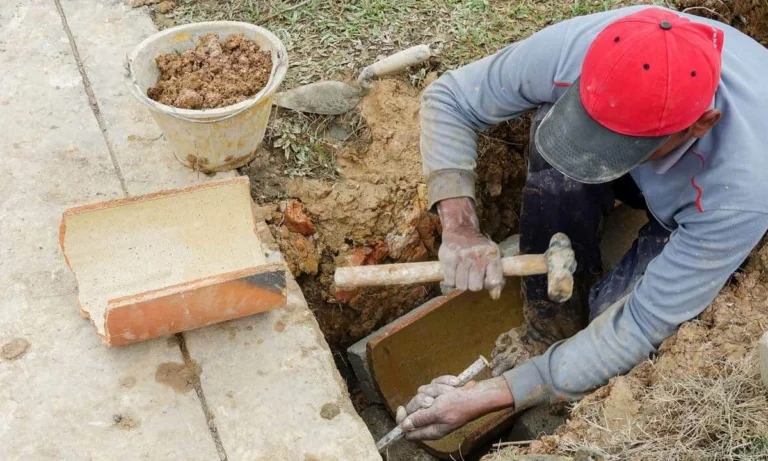
Some situations — severe root intrusion, pipe collapse, offset joints, or connections that trenchless tooling cannot reach — require open excavation. Done limits dig area to only the affected segment rather than the full run. Utility locates are completed before any digging begins. Spoil material is staged on tarps or hauled to a designated area to protect lawn and garden beds. If a concrete driveway, patio, or walkway sits over the work zone, Done cuts clean lines with a saw before breaking the surface, which makes patching far cleaner than jagged breaks.
Denver’s Soil Conditions Affect the Plan
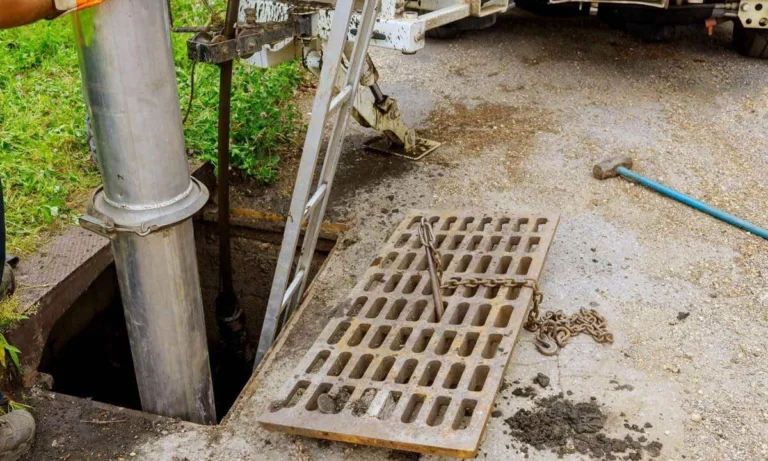
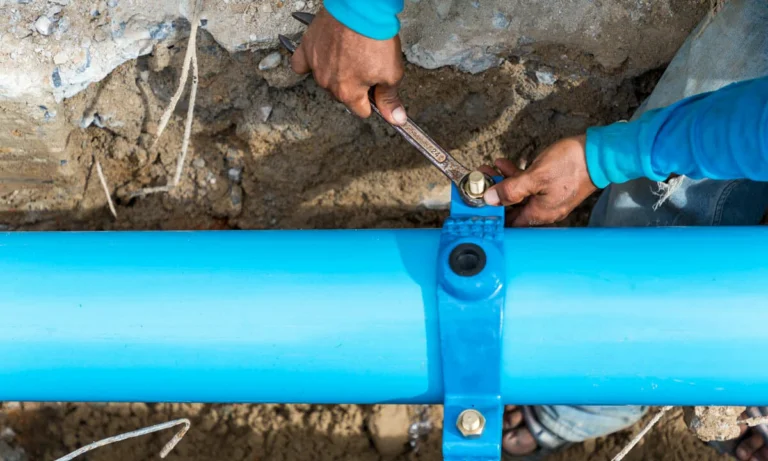
Front Range soils present specific challenges. Much of the Denver metro sits on expansive clay that swells when wet and shrinks when dry, which is part of why sewer lines shift and crack here more than in other parts of the country. Done factors this into the replacement strategy — HDPE pipe, used in pipe bursting, is flexible enough to handle minor ground movement, while PVC used in open-cut replacements is bedded in compacted gravel to reduce future settling. The depth of Denver sewer mains — often 6 to 10 feet or more to clear the frost line — means excavations here are deeper than in warmer climates, so shoring and safety protocols are part of every job.
Scheduling and Communication Reduce the Disruption You Feel
A sewer replacement does not have to mean days without water service to the house. Done coordinates with you before the job to explain exactly how long service will be interrupted, typically a matter of hours rather than a full day. The crew arrives with all materials staged so the job moves efficiently. If permits are required by the City of Denver or the applicable municipality, Done pulls them — you do not have to chase paperwork.
What Restoration Looks Like After the Work Is Done
Surface restoration is part of the project, not an afterthought billed separately. Concrete patches are poured and finished to match surrounding surfaces as closely as possible. Excavated lawn areas are backfilled, compacted, and brought back to grade. Sod or seed replacement may be included depending on the scope agreed upon at the estimate stage. A final camera inspection confirms the new pipe is seated correctly and flowing before the crew leaves.
- Trenchless lining or bursting used whenever pipe condition allows
- Utility locates completed before any digging
- Work area staged on tarps to protect landscaping
- Saw-cut concrete for cleaner patches
- Permits pulled by Done, not the homeowner
- Final camera inspection before job close-out
If you’re facing a sewer line problem and want to understand which approach fits your property, our sewer services team can schedule a camera inspection and walk you through the options — including financing if a full replacement is on the table.