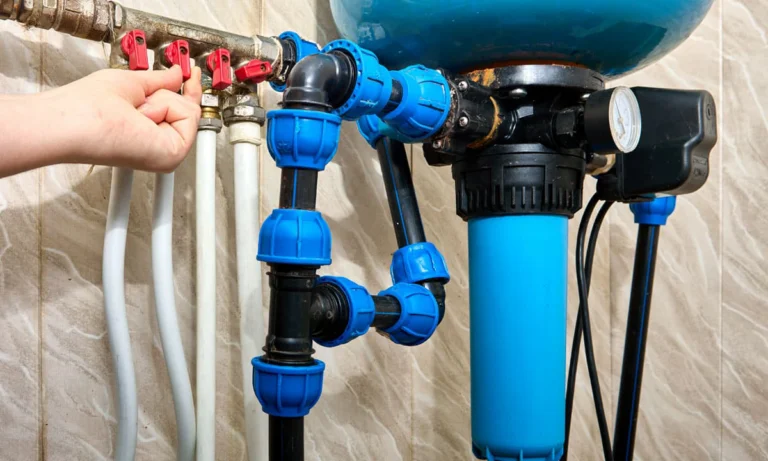
Water conditioning system costs in Denver vary based on the type of system, your home’s water usage, and what your water actually needs — but expect the range to run from a few hundred dollars for a basic point-of-use filter to several thousand dollars for a whole-home softener-plus-filtration combination. Rather than quoting specific figures that shift with equipment and material costs, the most useful thing is understanding the cost drivers — and Done! provides free estimates so you get accurate pricing for your specific water quality situation.
Why Denver Homeowners Need Water Conditioning
Denver’s municipal water supply draws heavily from Rocky Mountain snowmelt passing through mineral-rich geology. The result is water that is moderately to very hard — typically 8 to 15 grains per gallon depending on your specific service area and seasonal variation. Hard water leaves scale deposits inside water heaters, pipes, and appliances; causes spotting on dishes and shower glass; and shortens the life of fixtures by clogging aerators and valve seats with calcium buildup.
Water hardness is the primary conditioning concern for most Front Range homeowners, but depending on your specific supply source, you may also encounter elevated chlorine taste and odor (common with surface-water supplies treated by Aurora Water or Denver Water), sediment from older distribution infrastructure, or in some rural areas, concerns about nitrates, bacteria, or other contaminants that require specific treatment approaches.
Types of Water Conditioning Systems and Their Cost Drivers
- Salt-based water softeners — whole-home ion exchange systems that remove calcium and magnesium and replace them with sodium. Most effective at eliminating scale. Cost factors include grain capacity (sized to household size and water hardness), brand, and whether a professional installation with bypass valve and drain line connection is needed.
- Salt-free water conditioners / template-assisted crystallization (TAC) systems — do not remove hardness minerals but change their structure so they don’t adhere to surfaces. No salt, no backwash drain required. Lower ongoing operating cost. Installation cost is similar to softeners; effectiveness is debated for severe hardness levels.
- Reverse osmosis (RO) systems — typically installed at the kitchen sink to produce high-quality drinking water. Removes a broad spectrum of contaminants including dissolved solids, chlorine, nitrates, and some heavy metals. Point-of-use cost is significantly lower than whole-home RO, which is rarely practical for residential use.
- Whole-home carbon filtration — addresses taste, odor, and chlorine disinfection byproducts. Often paired with a softener for comprehensive treatment.
- Combined systems — softener plus carbon pre-filter plus RO at the kitchen sink is the most comprehensive setup. Higher upfront cost, but it addresses hardness, taste, and drinking water quality in one system.
What’s Included in the Installation Cost
Professional installation typically includes the equipment itself, a bypass valve on the main supply line, connections to an existing drain (for salt-based softeners that backwash), initial startup and programming, and a test of the finished installation. Homes that need a new drain connection, additional supply line modifications, or electrical outlets for the control head may see higher installation costs. Done!’s plumbers assess your utility space and plumbing configuration before quoting so the estimate reflects your actual situation.
Long-Term Savings From Water Conditioning
The upfront cost of a water conditioning system has to be weighed against what hard water costs you over time. Scale buildup reduces water heater efficiency — a water heater with significant scale accumulation can use substantially more energy to deliver the same hot water, and sediment accumulation shortens tank life. Scale clogs showerheads, aerators, and dishwasher spray arms. Soaps and detergents work less effectively in hard water, so households use more product per wash. A softener that costs several thousand dollars installed often pays back a meaningful portion of that cost over 5 to 10 years in appliance longevity and operating costs alone.
Starting With a Water Test
The right starting point is knowing what’s actually in your water. Done! can provide a water quality assessment that measures hardness, pH, total dissolved solids, and other parameters relevant to your situation. This takes the guesswork out of system selection — you’re treating a known problem rather than buying a general solution and hoping it fits.
Learn more on our water quality and treatment page. If a new water heater is part of the picture, our water heater services page explains how conditioning extends equipment life. Contact Done! to schedule a water test and get a free estimate on a conditioning system for your Denver-area home.