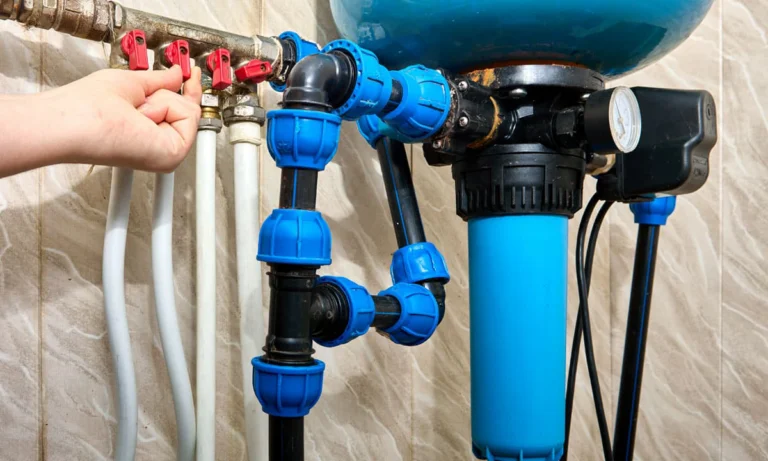
A water softener needs regular salt refills, periodic resin bed cleaning, and occasional inspection of the control valve and brine tank to keep it working properly. In Denver and across the Front Range — where hard water is the norm — a well-maintained softener protects your pipes, water heater, and fixtures from mineral scale buildup. Neglecting it means the system quietly stops softening water and the hardness damage accumulates unnoticed.
Keeping the Salt Level Right
Most water softeners use sodium chloride or potassium chloride pellets in the brine tank to regenerate the resin beads that capture hardness minerals. The salt level should stay at least halfway full at all times — check it monthly. Running the softener with low salt means it regenerates with a weaker brine solution and passes hard water through. On the other hand, overfilling causes salt bridging, where a hardened crust forms above the water line and creates an air pocket that prevents the salt from dissolving properly. Use high-quality pellet salt rather than rock salt to minimize bridging and mushing.
Cleaning the Brine Tank
Even with quality salt, the brine tank eventually accumulates sludge — undissolved salt, sediment, and impurities — at the bottom. This mush can clog the brine line and prevent the system from regenerating properly. Plan to clean the brine tank thoroughly every one to two years. That means emptying the remaining salt and water, scrubbing the inside, rinsing with clean water, and refilling with fresh salt. It’s messy work but straightforward; a plumber can handle it if you’d rather not.
Resin Bed Cleaning and Recharge
The resin beads inside the softener tank do the actual work of exchanging sodium ions for calcium and magnesium. Over time — especially in areas with iron in the water, which is common in parts of the Denver metro — the resin can foul with iron deposits or organic matter and lose effectiveness. A resin cleaner (iron-removing product added to the brine tank before a regeneration cycle) can restore performance. If the resin is severely fouled or simply worn out after 10–15 years of use, replacement may be needed.
Inspecting the Control Valve and Regeneration Settings
The control valve manages regeneration cycles — when the system flushes and recharges the resin. Most modern softeners use a demand-initiated regeneration, meaning they regenerate based on how much water you’ve used rather than on a fixed timer. Confirm the hardness setting is programmed correctly for your water supply (Denver-area water hardness varies by municipality and season). If the system is regenerating too frequently or not enough, the settings may need adjustment. A plumber with water treatment experience can verify the programming and check for valve wear.
Signs Your Softener Needs Attention
- Scale buildup returning on faucets, showerheads, or the water heater
- Soap not lathering as well as it used to
- Salt usage dropping significantly (may indicate a salt bridge)
- Salt usage spiking (may indicate a stuck valve or leak)
- Water with a salty or unusual taste
- Softener regenerating at the wrong time or not at all
How a Water Softener Protects the Rest of Your Plumbing
A functioning softener pays for itself over time by protecting your water heater from sediment buildup, extending the life of fixtures and appliances, and reducing the amount of soap and detergent you need. Denver’s high mineral content is hard on tankless water heaters in particular — without soft water, heat exchangers scale up quickly and require more frequent descaling. Keeping your softener maintained is one of the best investments a Front Range homeowner can make in their plumbing system.
If your softener isn’t keeping up or you’re unsure whether it’s working correctly, Done! can inspect it and recommend the right maintenance or upgrade path. Learn more about our water quality treatment services or explore water heater services to see how soft water and heater maintenance work together to protect your home.