If you suspect your main sewer line is blocked or damaged, stop using water fixtures as much as possible and call a licensed plumber right away. A sewer line problem affects every drain in the house simultaneously — toilets, sinks, showers, and the washing machine all feed into the same main line — and continuing to run water while there is a blockage or break below forces sewage backward into the lowest fixtures in the home. Acting quickly limits the scope of any sewage backup and gives a plumber the best chance of clearing or repairing the line before the situation escalates to a health hazard or structural damage to the home.
Signs That Point to the Main Line (Not Just One Fixture)
The key distinction between a fixture drain clog and a main sewer line problem is how many drains are affected. A single slow bathroom sink almost always has a local clog near the drain opening. But when multiple fixtures across the house back up simultaneously, or when using one fixture causes a problem somewhere else — flushing the toilet makes the tub gurgle, or running the washing machine causes the floor drain to back up — the problem is in the main line, not any one branch. Other signs of main line trouble include persistent sewer odors inside the house, sewage odors or wet spots in the yard over the sewer lateral, and toilets that drain slowly or bubble even when recently plunged.
What to Do Immediately
- Minimize water use: Do not flush toilets, run the dishwasher, do laundry, or take showers until the line is cleared. Every gallon of water that goes down a blocked line risks coming back up through a floor drain or toilet.
- Do not use chemical drain cleaners: Store-bought chemical drain openers are not effective on main sewer line blockages and can damage older pipe materials. They are not a substitute for professional clearing.
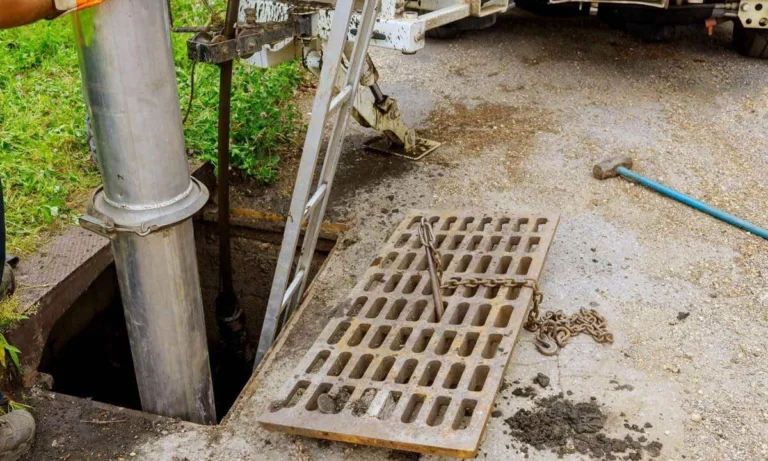
- Locate your main cleanout: Know where your sewer cleanout is (typically a capped pipe near the foundation, in the basement, or in the yard). The plumber will access it there — finding it in advance saves time.
- Call Done: A main sewer line blockage qualifies as a plumbing emergency. Done offers emergency drain cleaning for situations that cannot wait for a scheduled appointment.
What Done Will Do When the Team Arrives
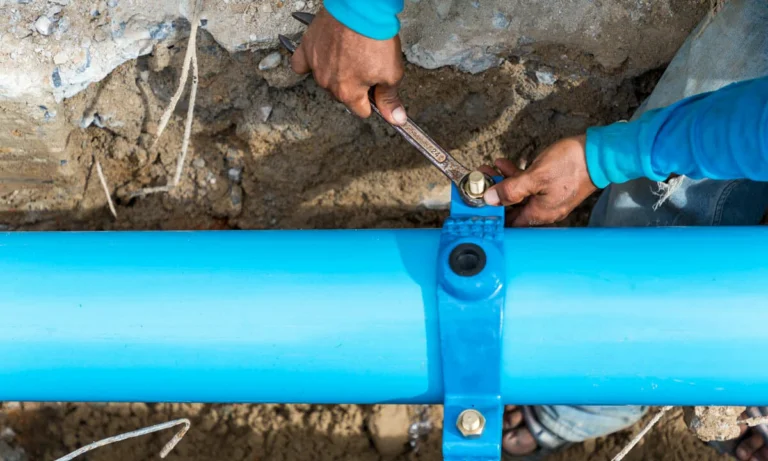
The first step is a sewer camera inspection to confirm what is causing the problem and where it is located. This matters because a blockage and a pipe break call for different responses. A root mass or grease blockage in a structurally intact pipe gets cleared with hydro jetting or a cable auger. A pipe that is cracked, offset, or collapsed requires repair — jetting a broken line clears it temporarily but does not fix the underlying structural issue. Knowing which situation you are dealing with before starting work is what separates a lasting fix from a temporary one.
If You Suspect a Break (Not Just a Blockage)
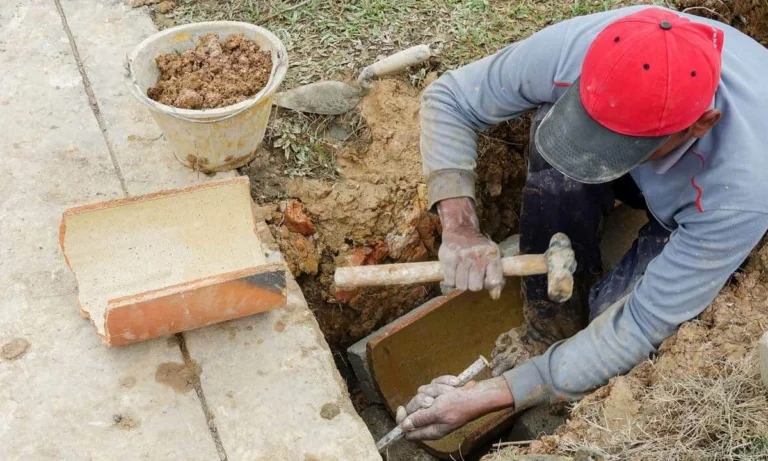
A broken sewer line is a more urgent situation than a blockage. Sewage leaking into the soil around your foundation or in your yard creates a health hazard, can contaminate groundwater, and may attract violations from the municipality. Signs of a break rather than a simple blockage include sewage odors that persist outdoors even when drains seem to be flowing, soft or sunken spots in the yard over the sewer line, and unusually lush green grass in a narrow strip above the lateral (sewage fertilizing the soil). If you see any of these, call immediately — do not wait to see if the problem resolves. In Front Range neighborhoods with older clay tile or cast iron laterals under expansive clay soil, a line break is not uncommon and is repairable, often without full excavation using trenchless pipe lining.
A sewer line emergency does not have to become a catastrophe if you act quickly and call professionals who can diagnose accurately before they start work. Contact Done through our drains and sewer services page or reach out directly for emergency service — we will get a camera in the line and tell you exactly what is going on.