Trenchless sewer repair is the right first choice in most situations — it’s faster, preserves your yard, and costs less than digging. But there are specific conditions where excavation is the only method that will actually solve the problem: a completely collapsed pipe, a severely offset or misaligned section, a pipe that has deteriorated to the point where there’s no structural shell left to line, or a situation where site access doesn’t allow the equipment angles trenchless methods require. In those cases, excavation is not a failure — it’s the correct, durable fix.
When Trenchless Methods Are No Longer an Option
Trenchless pipe lining (cured-in-place pipe, or CIPP) works by inserting a flexible liner into the existing pipe and curing it in place to form a smooth new pipe inside the old one. For that to work, two things must be true: the existing pipe must have enough structural integrity to hold the liner during installation, and the pipe must be passable — meaning a camera and the liner itself can actually travel through it. When a pipe has collapsed entirely, or when it has deteriorated to the point that large sections of the wall are missing, there is no shell to line. Excavation becomes necessary to remove the damaged section and install new pipe. Similarly, pipe bursting — the other common trenchless technique — requires that a cable and bursting head can be pulled through the pipe. A fully collapsed or severely misaligned pipe can make that impossible.
Colorado Soil Conditions and Sewer Line Damage
The Front Range’s expansive clay soils are the primary reason sewer lines in Denver-area homes fail in ways that sometimes require excavation. These soils expand significantly when saturated — during spring snowmelt or heavy rains — and contract when dry, which is common during Colorado’s arid stretches. That seasonal movement can displace buried pipe sections entirely, creating severe offsets at joints where one pipe section has shifted several inches relative to the next. A moderate offset can sometimes be addressed with a short spot repair using trenchless methods, but a significant joint displacement or a section of pipe that has dropped and bellied deeply enough to hold standing sewage typically requires excavation to fix correctly. Leaving a belly in place means sewage solids will accumulate there regardless of what repair method you use above it.
Older Pipe Materials That Accelerate Deterioration
Many Denver homes built before 1970 have Orangeburg sewer pipe — a compressed tar-paper material that was widely used from the 1940s through the early 1970s before it was phased out in favor of PVC. Orangeburg absorbs moisture over time, softens, and eventually deforms and collapses. By the time a homeowner notices symptoms, Orangeburg pipe is often in such poor condition that it cannot be lined — it deforms under the liner inflation pressure. Full replacement via excavation is almost always the right answer for Orangeburg. Similarly, very old clay tile pipe with extensive cracking and missing sections may not be a good lining candidate. A camera inspection is the only way to know for certain what you’re dealing with.
What Excavation Involves and What to Expect
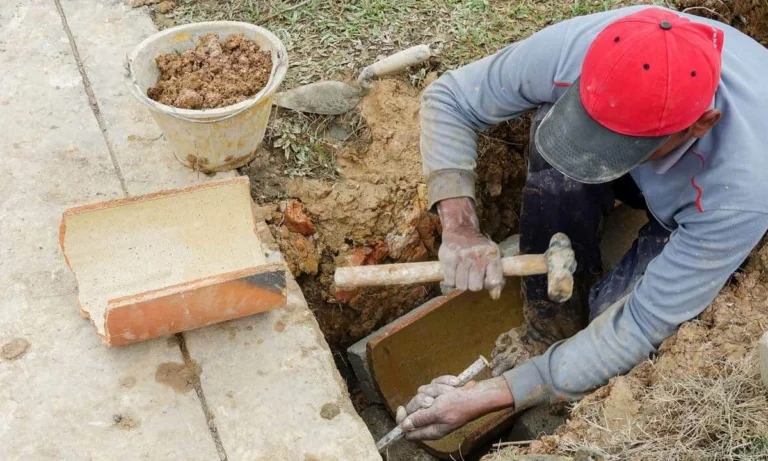
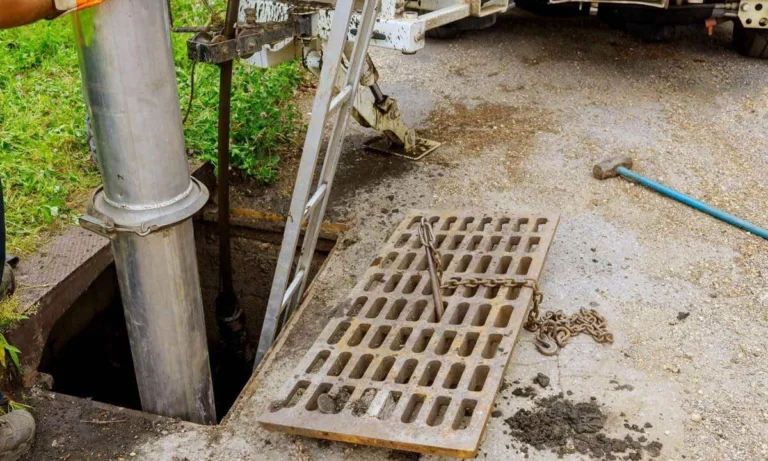
Sewer excavation sounds dramatic, but a well-managed job is more contained than most homeowners expect. Done!’s crews dig to expose only the damaged section — not the entire line — and the excavation is sized to give technicians safe access to complete the repair. Here’s what the process typically involves:
- Camera confirmation first — we always run a sewer camera before recommending excavation so the location and nature of the damage are precisely known before any digging begins.
- Permits pulled as required — sewer line work in most Denver-area municipalities requires permits. Done! handles the permitting process.
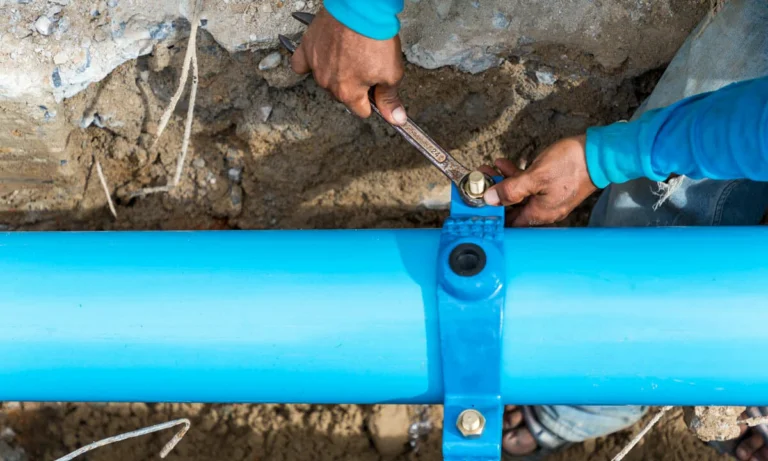
- Careful dig and new pipe installation — the damaged section is removed and replaced with schedule-40 PVC, properly bedded and graded for correct flow.
- Post-repair camera inspection — we verify the repaired section and the surrounding pipe before backfilling so there are no surprises after the hole is closed.
- Site restoration — Done! restores the excavated area. Concrete and asphalt cuts are patched; landscaped areas are backfilled and tamped.
Cost Considerations and Financing
Sewer excavation is a significant investment, and the cost varies depending on depth, length of the damaged section, soil conditions, and what has to be cut through — landscaping, concrete flatwork, or asphalt. Done! provides a written estimate before any work begins, so you know exactly what you’re authorizing. We never recommend excavation when a trenchless repair is genuinely viable — it takes more time and equipment, and our goal is always the most effective and least disruptive solution for your situation. If cost is a concern, financing options are available through Done!’s financing page.
The starting point for any sewer problem is an honest assessment. Schedule a sewer camera inspection with Done! and we’ll tell you exactly what we find and whether a trenchless pipe lining repair or excavation is the right approach for your line. You can also learn more about all of our drain and sewer services for Front Range homeowners.