Some very minor AC tasks — replacing a filter, resetting a tripped breaker, clearing debris from around the outdoor condenser — are genuinely safe for homeowners to handle. Beyond those basics, most AC repairs involve live high-voltage electricity, pressurized refrigerant systems governed by federal law, and components that are dangerous or illegal to service without proper licensing and equipment. The honest answer is: do the simple stuff yourself, but call a professional for anything beyond that.
What Homeowners Can Safely Handle
There is a short list of AC-related tasks that homeowners can and should take care of without professional help:
- Changing the air filter — do this every one to three months; a clogged filter is the single most common cause of reduced AC performance
- Checking and resetting the circuit breaker if the system has tripped — but only once; if it trips again immediately, stop and call a technician
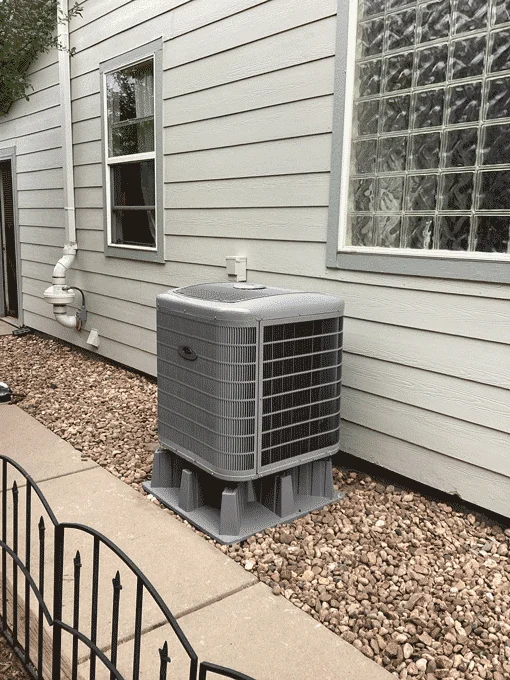
- Clearing leaves, cottonwood, weeds, and other debris from around the outdoor condenser unit
- Gently hosing off the outside of condenser fins with a light spray to remove surface dust (do this with power off at the disconnect)
- Checking that all supply vents in the home are open and unobstructed
- Replacing thermostat batteries if the display is blank or behaving erratically
Why Refrigerant Work Is Not a DIY Task
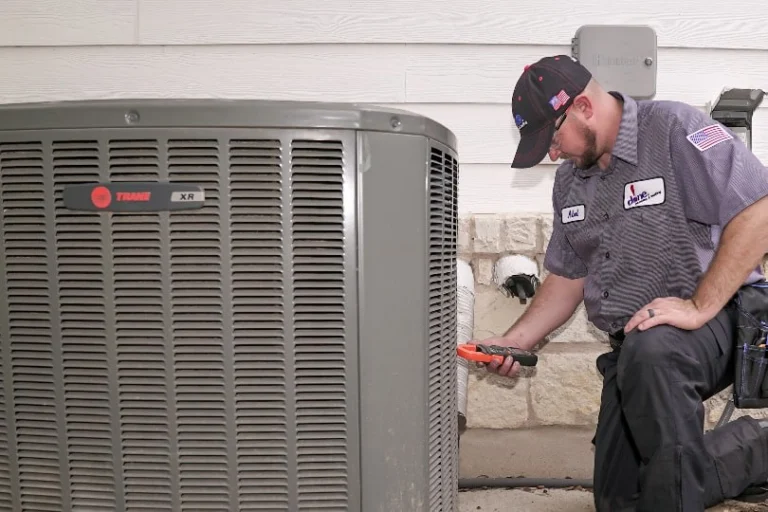
Refrigerant handling is regulated by the EPA under Section 608 of the Clean Air Act. It is illegal to purchase or handle refrigerants such as R-410A or R-22 without EPA 608 certification, full stop. Beyond the legal issue, refrigerant under pressure can cause severe frostbite on contact with skin, and liquid refrigerant can cause blindness if it contacts eyes. Adding refrigerant without first finding and repairing the leak is also ineffective — it just means the system will be undercharged again in months. Done’s technicians hold proper EPA certifications and use electronic leak detection equipment to find leaks properly before any refrigerant work takes place.
Electrical Components — More Dangerous Than They Look
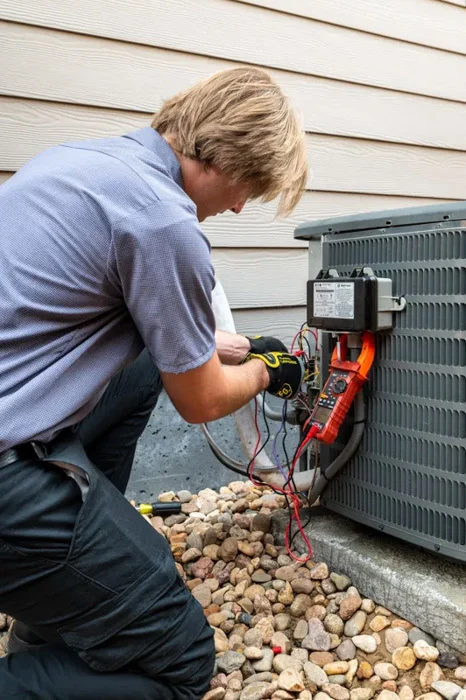
Capacitors are small cylindrical components inside the outdoor unit that provide the start-up jolt to the compressor and fan motors. They are among the most commonly failed AC components and are inexpensive to replace — which sometimes tempts homeowners to watch a video and try it themselves. The danger is that capacitors store a lethal electrical charge even after the system has been powered off. A capacitor can hold hundreds of volts and discharge in a fraction of a second. Technicians use insulated tools and specific discharge procedures to handle them safely. The same applies to contactors, control boards, and any wiring inside the unit — the 240-volt circuits that power AC condensers are not forgiving of mistakes.
The Hidden Cost of DIY Attempts
Even when a homeowner manages to replace a part without injury, there are downstream risks. Installing the wrong capacitor rating can damage the compressor. Over-tightening refrigerant fittings can crack flare connections. Improper reassembly can leave the system vulnerable to moisture ingress, which leads to acid formation inside the refrigerant circuit and accelerated compressor failure. Done’s technicians regularly diagnose systems that failed prematurely after a well-intentioned DIY repair. The cost of a correct professional AC repair almost always comes out well ahead of the cost of correcting a DIY repair gone wrong.
Colorado-Specific Caution: Altitude and Refrigerant Pressure
At Denver’s elevation, refrigerant pressures read slightly differently than at sea level — another reason that refrigerant work requires trained technicians with altitude-calibrated gauges and manufacturer-specific pressure charts. A homeowner using uncalibrated gauges and sea-level pressure tables could significantly over- or undercharge a system while believing it is correct. Done’s technicians are trained and equipped for Front Range conditions specifically.
If your system isn’t working right, the safest and most cost-effective path is a professional diagnosis. Schedule a visit with Done, and ask about our Care Club maintenance plan to prevent most common failures before they happen. You can also learn what a professional maintenance visit covers so you know exactly what you’re getting.