The repair-vs-replace decision comes down to four factors: the age of the equipment, the cost of the repair, how efficiently the system is running, and how often it has been breaking down. A general rule of thumb is that if the repair costs more than half the price of a new system and your equipment is more than 10–15 years old, replacement usually makes more financial sense than another fix.
Age Is One of the Biggest Indicators
Most central air conditioners and gas furnaces are designed to last 15–20 years with proper maintenance. In Colorado’s high-altitude climate — where equipment works against thinner air and wide temperature swings — systems that haven’t been well-maintained may decline faster. Once a unit crosses the 12–15 year mark, parts become harder to source, refrigerant standards have changed (R-22 is no longer manufactured), and efficiency ratings on current equipment have improved dramatically. Running an aging, inefficient system often costs significantly more in energy every month than the payment on a new one.
The ‘$5,000 Rule’ for Repair Decisions
A practical framework many HVAC professionals use: multiply the age of the unit (in years) by the cost of the repair. If that number exceeds $5,000, replacement is typically the smarter investment. For example, a 12-year-old system facing a $450 repair scores 5,400 — nudging toward replacement territory, especially if the unit has had other repairs in the past two years. This isn’t a hard law, but it gives homeowners a rational starting point rather than a gut-feel guess.
Warning Signs That Point Toward Replacement
Some signals suggest a system is near the end of its useful life regardless of repair cost:
- Frequent breakdowns — more than one repair call per season
- Uneven heating or cooling, with rooms that never feel right despite multiple service visits
- Rising energy bills without an obvious explanation (a sign the system is working harder to deliver the same output)
- Unusual noises — banging, rattling, or grinding — that indicate mechanical wear
- Excess humidity or very dry air indoors (Denver’s air is already dry; a well-functioning system helps balance that)
- The system uses R-22 refrigerant, which is no longer produced and is expensive to obtain
When Repair Is the Right Call
Not every problem means it’s time for a new system. If the unit is under 10 years old, has been well-maintained, and the repair is relatively minor — a capacitor, contactor, or blower motor — fixing it usually makes good financial sense. A tune-up and repair on a system in otherwise good shape can add several more years of reliable service. The key is getting an honest assessment from a technician who will explain the full picture, not just push a sale.
What a Done Technician Will Tell You
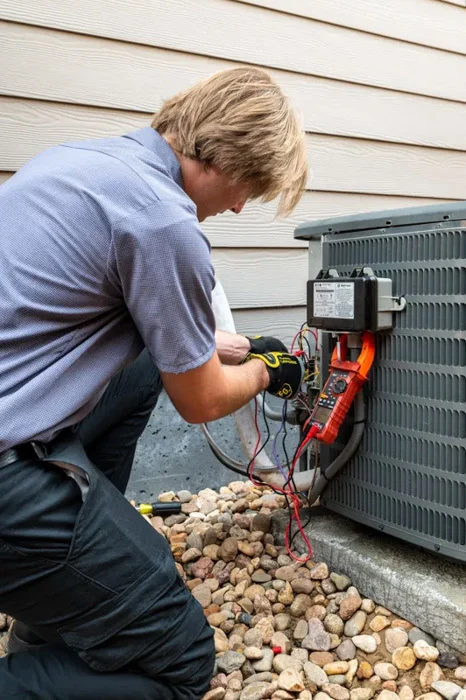
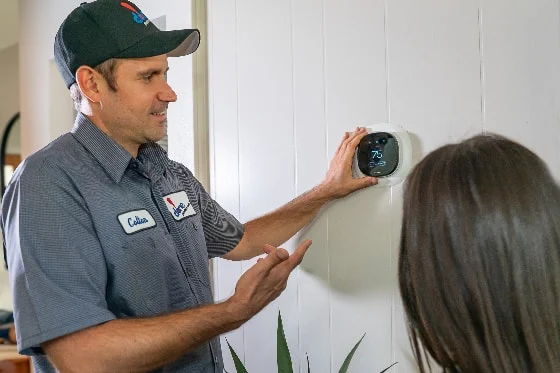
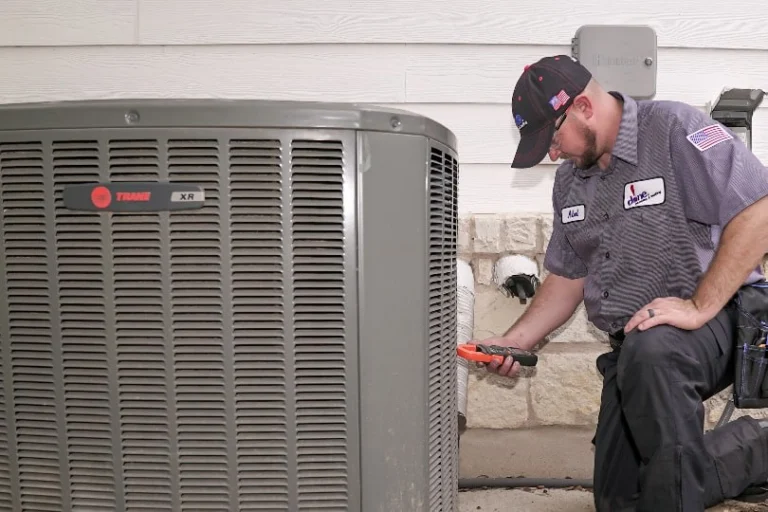
When a Done technician evaluates your system, they check refrigerant levels, electrical components, heat exchanger integrity, airflow, and overall system performance — not just the part that failed. That whole-system view gives you an honest picture of what you’re working with. If replacement makes sense, they can walk you through current equipment options, efficiency ratings (SEER2 ratings matter at Denver’s altitude), and what size system your home actually needs. If repair is the right move, they’ll tell you that too.
Understanding the True Cost of Running an Old System
One factor homeowners often underestimate is the ongoing cost of operating an aging, inefficient system. An air conditioner from 2005 might have a SEER rating of 10; current minimum-efficiency units are rated at 15 SEER2 or higher. That gap translates to real money on your utility bill every month the old unit runs. In Colorado, where summer cooling seasons are short but intense, the payback calculation differs from humid southern climates where AC runs nine months a year — but the efficiency gap still matters over a full system lifespan. A Done technician can show you current equipment specs so you can make the comparison with your actual usage.
Whether your system needs a repair or a full replacement, Done makes the process straightforward. Learn more about your options at AC repair or air conditioner replacement, and ask about financing options if you’re planning a new installation.