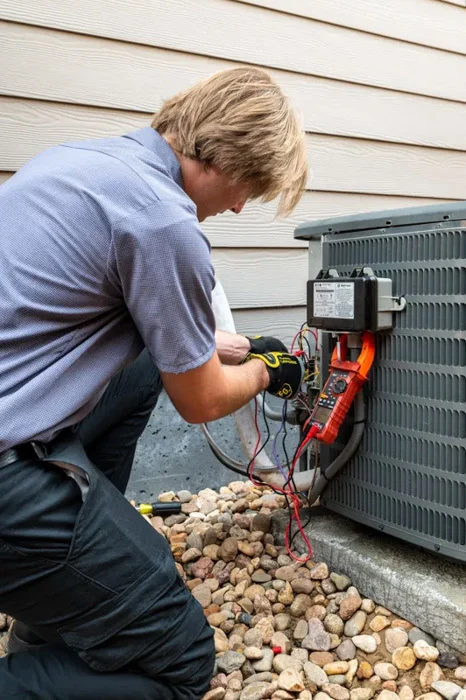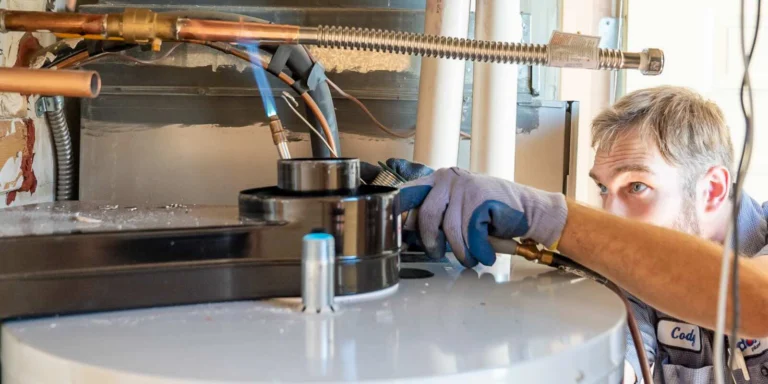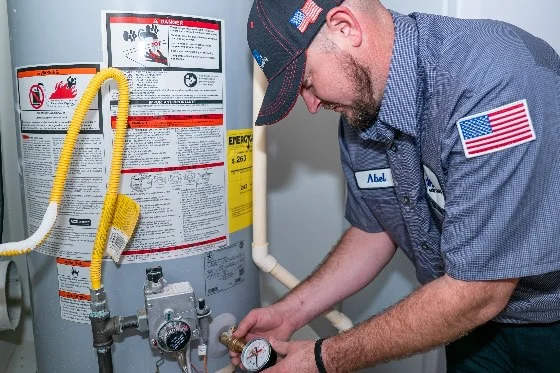
Most water heater repairs take between one and three hours for a licensed plumber. Common repairs — replacing a faulty thermostat, swapping out a burned heating element, replacing a sacrificial anode rod, or fixing a leaking pressure relief valve — are relatively quick jobs that experienced plumbers handle routinely. More involved repairs, like addressing a failing gas valve, relighting a pilot assembly, or dealing with sediment so severe it’s impacting performance, can take longer. The good news: if your plumber has already diagnosed the problem before arriving, they can often bring the right part and complete the repair in a single visit.
Common Repairs and Their Typical Timeframes
Thermostat replacement on an electric water heater is one of the faster repairs — typically 30–60 minutes once the plumber has the part. The same goes for replacing a heating element, though the tank must be partially drained first, which adds time. A faulty temperature and pressure (T&P) relief valve replacement takes about 30–45 minutes and should never be put off — a stuck-open or failed T&P valve is a safety issue. Anode rod replacement requires draining some water and breaking loose a threaded fitting that may be corroded from Colorado’s mineral-rich water; plan on 45–90 minutes depending on how corroded the fitting is.
Gas valve replacement is a more involved repair and may take 1.5–2 hours. Pilot assembly repairs on older standing-pilot units can vary widely depending on the unit and what’s failed. Sediment flushing — draining and flushing significant mineral buildup from the tank bottom — typically takes an hour or more and may need to be repeated if buildup is severe.
Why Colorado’s Hard Water Slows Some Repairs
Denver and Front Range water is notably high in dissolved minerals, which means water heaters accumulate calcium and magnesium scale faster than in softer-water regions. This affects repair time in a few ways. Anode rods can become so heavily coated and seized into the tank port that removing them requires significant torque and possibly a breaker bar. Drain valves on tanks that haven’t been flushed in years may be nearly blocked with sediment, slowing the drain-down process. Heat exchanger connections on tankless units can develop mineral restrictions that require descaling before the repair can address the root cause. A plumber who works regularly in the area will anticipate these complications.
- Having the plumber diagnose by phone or photo before the visit helps them bring the right part and reduces total time on-site
- Electric water heater repairs often require the circuit breaker to be off for 30–60 minutes while the element or thermostat cools — factor that into the timeline
- If your water heater is more than 10–12 years old and needs a significant repair, discuss with the plumber whether repair or replacement makes more financial sense
- Annual maintenance — including anode rod inspection and sediment flush — prevents many common repairs from being needed in the first place
When Repair Turns Into Replacement
Sometimes a plumber arrives to repair one component and discovers additional issues that make replacement the wiser investment. A tank with significant corrosion on the outer shell, rust-colored water, or a body that’s already leaked once is telling you its useful life is nearly over. In those cases, the plumber should present the repair cost alongside the replacement cost so you can decide with full information. Replacing an aging unit before it fails completely is almost always less disruptive — and less expensive — than an emergency replacement after a tank has flooded a utility room.
Done’s plumbing team handles water heater repairs throughout the Denver metro, with same-day availability for urgent situations. Visit our water heater repair page or our water heater maintenance page to learn more about what we do — and contact us to schedule a visit or get help fast if you’re without hot water.