AC service costs in the Denver metro vary depending on what the system needs — a routine tune-up runs less than a refrigerant recharge or a compressor repair. Because every home and system is different, the most accurate way to know what you’ll pay is to have a technician inspect the unit first. Done provides upfront, flat-rate pricing before any work begins, so you’re never surprised by the final number. If cost is a concern, ask about our financing options.
What Drives the Cost of an AC Service Visit?
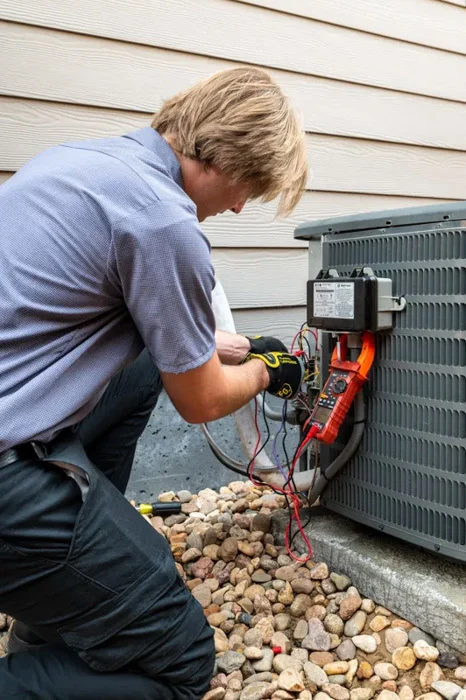
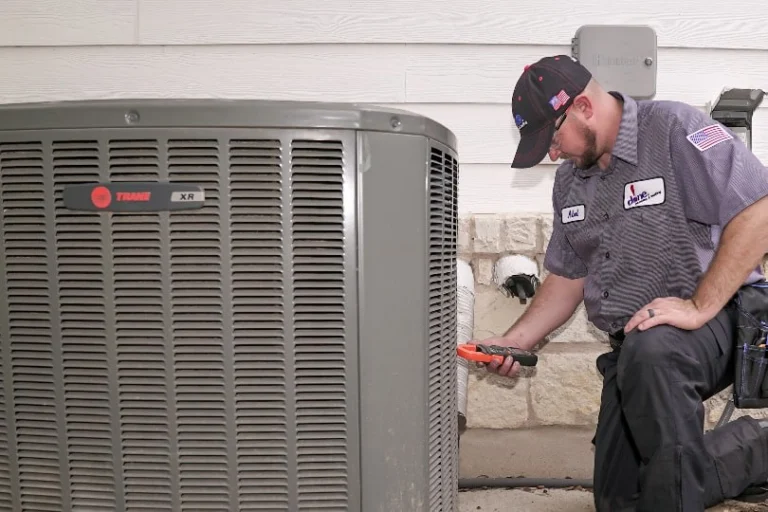
Several factors influence how much an AC service call costs. The type of service matters most: a standard preventive maintenance visit is the least expensive, while diagnostic visits that uncover a failing component — a bad capacitor, a refrigerant leak, or a worn contactor — cost more once parts and labor are added in. The age and brand of your system matter too, since older units may require specialty parts or refrigerants that cost more to source.
System size plays a role as well. Denver-area homes often need equipment sized carefully for high-altitude conditions — at 5,280 feet, thinner air means less heat transfer per cubic foot, so systems here are sometimes spec’d larger than comparable homes at sea level. A larger unit has more components to inspect and service, which can add time and cost to a visit.
Refrigerant Costs: R-410A vs. R-22
If your AC is low on refrigerant, the type it uses makes a significant difference in price. Older systems — generally those manufactured before 2010 — may use R-22 (Freon), which is no longer produced in the U.S. and has become very expensive as existing supplies dwindle. Newer systems use R-410A, which is more widely available and less costly. If your older system needs a refrigerant recharge, that conversation often becomes a bigger discussion about whether repair still makes economic sense versus replacing the unit with a modern, more efficient system.
Preventive Maintenance Is Almost Always the Best Value
The most cost-effective AC service is the one that keeps a breakdown from happening in the first place. Annual AC maintenance catches small problems — dirty coils, a capacitor reading low, refrigerant slightly off — before they cascade into expensive failures. A neglected system working harder than it should also uses more electricity, so the savings on your Xcel Energy bill over a summer can offset a portion of the maintenance cost. Done’s Care Club maintenance plan makes annual tune-ups easy to budget for with consistent pricing year over year.
Colorado-Specific Cost Factors
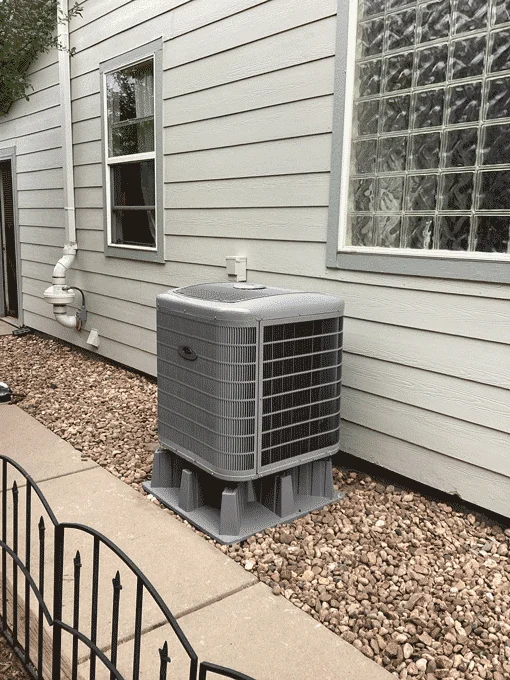
Denver’s environment introduces a few costs that homeowners in lower-altitude, more humid climates don’t face as often. Fine dust and airborne particulates here — especially during dry spring and fall months — clog filters and foul evaporator coils faster than in wetter climates. Coil cleaning, when needed, adds time to a service visit. Hailstorms are another Colorado-specific factor: a significant hailstorm can damage condenser fins and coil surfaces on outdoor units, which may require straightening or coil section replacement. Always check your homeowner’s insurance policy after a major hailstorm — condenser damage is sometimes a covered loss.
Get a Clear Price Before Work Starts
Done’s technicians diagnose your system and provide a written price before any repair begins. There are no hidden fees, no after-the-fact add-ons. If the repair cost gives you pause, we’ll talk through your options honestly — including whether replacement makes more financial sense than repair for an aging system. Financing options are available for larger repairs and new installations. Contact Done to schedule your service visit and get a straight answer on what it will cost.