Replacing an AC condenser in the Denver area is a significant investment, and the final cost depends on several variables — the size of the unit, the efficiency rating you choose, the refrigerant type, and whether other components need to be replaced at the same time. Done provides free, no-obligation estimates so you can understand your options and make an informed decision without pressure. If the cost is more than you want to pay out of pocket, financing is available.
Why Condenser Replacement Costs Vary So Much
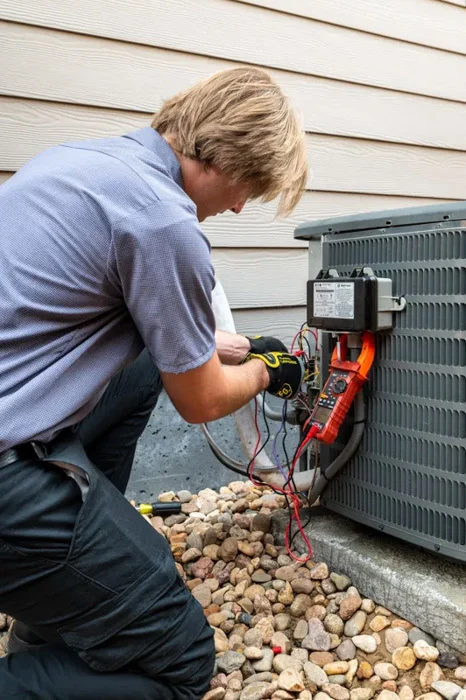
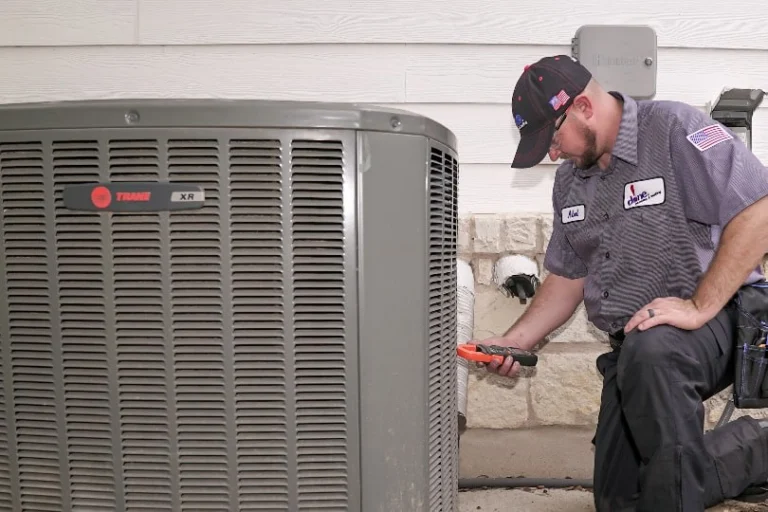
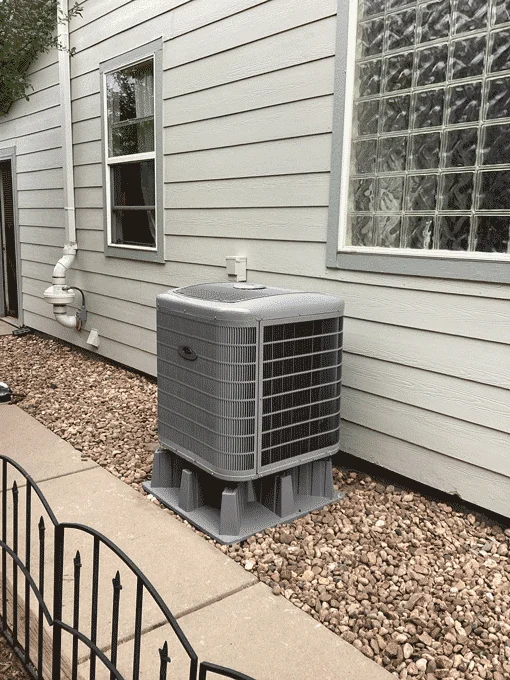
The condenser is the outdoor unit — the large box that sits outside your home and releases heat from the refrigerant. It’s one of the most mechanically complex and expensive components in a central AC system. When it fails, the cost to replace it depends on several factors working together.
System capacity — measured in tons — is the first driver. A 2-ton condenser costs less than a 4-ton or 5-ton unit. In the Denver metro, proper sizing is critical: altitude affects how efficiently a system moves heat, so a technician should perform a Manual J load calculation to confirm the right size rather than simply replacing unit-for-unit with whatever was there before. An undersized system will short-cycle and fail to cool your home on the hottest July afternoons; an oversized one will short-cycle too and leave the home feeling clammy or dusty.
SEER2 Ratings and Efficiency Choices
Modern condensers are rated using the SEER2 standard (Seasonal Energy Efficiency Ratio, updated testing method). Higher SEER2 units cost more upfront but use less electricity over their lifetime. In Colorado, where summers are intense but not as long as in lower-elevation states, the payback period for a very high-efficiency unit is worth calculating carefully — a Done technician can walk you through the numbers. Federal and utility rebates sometimes apply to high-efficiency equipment, which can meaningfully offset the upfront cost.
R-410A vs. R-22 and the Refrigerant Factor
If your existing system uses R-22 refrigerant and the condenser fails, this is an important crossroads. Replacing only the condenser on an R-22 system may not be straightforward — many new condensers use R-410A and are not compatible with older R-22 evaporator coils and line sets without additional changes. In many cases, replacing the full system (condenser, air handler or coil, and line set) is the more practical and cost-effective long-term answer. A Done technician will assess your full system and explain exactly what’s involved.
Matched System vs. Condenser-Only Replacement
Equipment manufacturers design condensers to work as part of a matched system with a specific evaporator coil and air handler. Replacing only the condenser while leaving an aging or mismatched indoor coil in place can reduce efficiency, void equipment warranties, and sometimes lead to early failure of the new unit. If your indoor components are also aging, replacing everything at once is often less expensive in total than doing it piecemeal over two or three years.
Hail Damage: A Colorado-Specific Consideration
Denver and the Front Range see some of the most intense hailstorms in the country. A severe storm can flatten the aluminum fins on a condenser coil, dramatically reducing airflow and efficiency — or physically damage the refrigerant coil itself. If you’re considering condenser replacement after a hailstorm, contact your homeowner’s insurance company first. Hail damage to HVAC equipment is sometimes a covered peril, and a Done technician can document the condition of your unit to support an insurance claim.
Ready to know exactly what a condenser replacement will cost for your home? Schedule a free estimate with Done. We’ll assess your full system, explain your options, and give you a clear price in writing — no surprises. Learn more about our AC replacement services or ask about flexible financing to fit your budget.