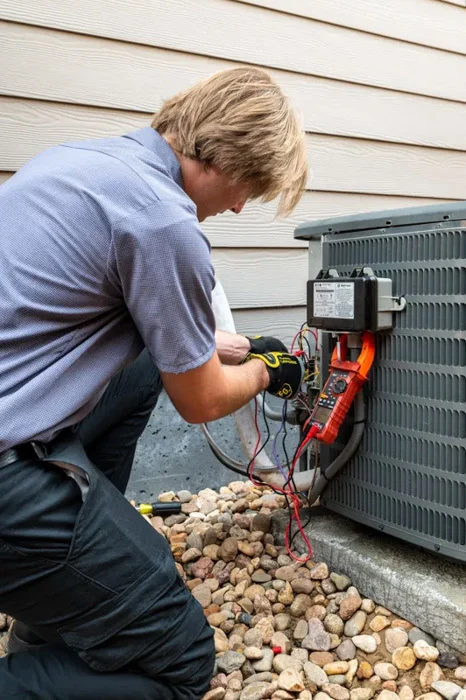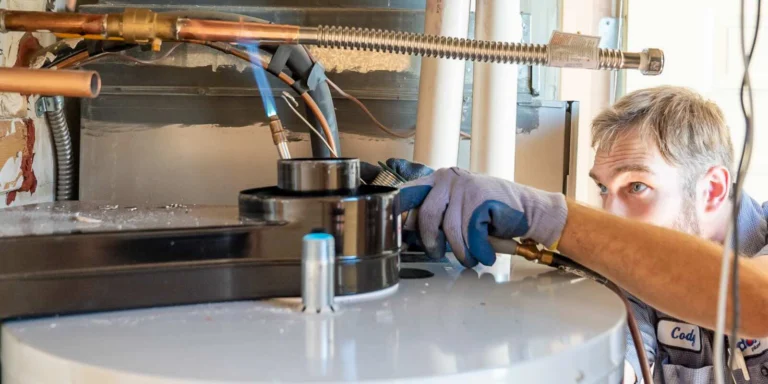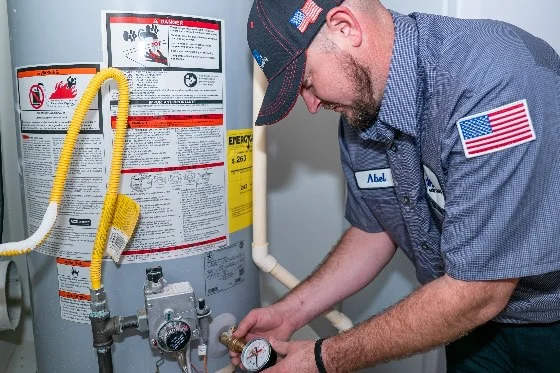
Water heater maintenance in Denver typically runs less than most homeowners expect, and it pays for itself many times over by extending the life of the unit and protecting your warranty. The service covers a set of checks and tasks that together keep the heater running efficiently and safely — flushing sediment, testing the anode rod, checking the pressure relief valve, inspecting burner operation or heating elements, and verifying the thermostat setting. Done! provides flat, upfront pricing so you know the cost before the tech starts work.
Why Denver’s Water Makes Maintenance More Important Than Average
The Denver metro and surrounding Front Range communities have some of the hardest water in the country. Water hardness levels in many suburbs regularly run 15–25 grains per gallon, and that dissolved mineral content — primarily calcium and magnesium — accumulates as scale on the tank walls and on the lower heating element in electric water heaters. On a gas heater, that sediment layer sits on the tank floor between the burner and the water, acting as insulation that forces the burner to run longer and hotter to heat the same amount of water.
The practical result is higher gas or electricity bills, reduced hot water capacity (the sediment displaces water volume), and premature tank failure. Heaters in hard-water areas without regular flushing can fail years before their expected service life. Annual maintenance — or twice yearly if your water is exceptionally hard — keeps that sediment from building up to a damaging level.
What’s Included in a Water Heater Maintenance Visit
A thorough maintenance appointment covers more than just a tank flush. Here’s what Done! checks during a standard service call:
- Sediment flush: Connecting a hose to the drain valve and flushing until the water runs clear — the most important step in hard-water Colorado.
- Anode rod inspection: The sacrificial magnesium or aluminum rod that prevents tank corrosion. In Denver’s hard water it depletes faster than average; a depleted rod means the tank itself starts corroding.
- Pressure relief valve test: The TPR valve is a critical safety device. It should open and reseat cleanly; a valve that leaks or won’t open needs immediate replacement.
- Burner or element check: Gas heaters get a burner flame inspection; electric heaters get element resistance checked for signs of early failure.
- Thermostat verification: Confirming the temperature is set correctly (120°F is the standard recommended setting — hot enough to suppress bacteria, cool enough to prevent scalding).
- Flue inspection (gas heaters): Checking that combustion gases are venting properly — important at Denver’s 5,280-ft altitude, where combustion dynamics differ from sea level.
Cost Factors That Affect the Final Price
The base maintenance cost covers the labor and standard inspection tasks. A few things can add to that:
If the anode rod is depleted and needs replacement (common in homes that haven’t had maintenance in several years), there’s a parts cost for the new rod and the extra labor to replace it. If the drain valve is stuck or corroded — also common in older tanks or heavily scaled water — clearing or replacing it adds time. And if the technician finds that the TPR valve is dripping or malfunctioning, that valve needs to be replaced before the visit is done, since a faulty TPR valve is a genuine safety concern.
None of these additions should be a surprise. Done! will show you what was found and explain what needs to be done and why before adding anything to your bill.
Maintenance Plans and Long-Term Savings
Enrolling in a maintenance membership is one of the most straightforward ways to reduce the cost of keeping your water heater — and your other home systems — in good shape year after year. Done!’s Care Club covers annual maintenance visits at a predictable flat rate, plus priority scheduling and discounts on repairs. For homeowners in Denver’s hard-water zone, that regular service appointment is the single biggest thing you can do to get the most years out of a water heater.
If your heater is overdue for service or you’re not sure when it was last maintained, schedule a water heater maintenance visit with Done! today. We’ll flush the tank, check every safety component, and give you an honest assessment of how many years the unit has left — so you can plan ahead rather than face an emergency replacement.