Most HVAC manufacturers and licensed contractors recommend scheduling maintenance for your air conditioner once a year — ideally in spring before cooling season — and for your furnace once a year, ideally in fall before heating season. If you have a heat pump that handles both heating and cooling year-round, twice-yearly tune-ups are a smart investment. Staying consistent with these intervals keeps your system running efficiently, extends equipment life, and satisfies most manufacturer warranty requirements.
Why Annual Maintenance Matters in Colorado’s Climate
Denver’s climate puts real stress on both systems. Summers mean days of intense high-altitude heat with low humidity, pushing your AC to run long cycles. Winters bring sudden cold snaps, sometimes dropping from 60°F to below zero within 24 hours — exactly when you need your furnace to fire up reliably. Skipping a tune-up means heading into peak season with dirty burners, a clogged filter, or a refrigerant charge that’s slowly drifted off spec. At 5,280 feet, combustion behaves differently than at sea level, and burner adjustment matters more than most homeowners realize.
Colorado’s dry air also means dust and particulates load up air filters faster than in humid climates. Fine mineral dust from our arid soil, plus wildfire smoke during summer months, can pack a furnace filter solid in a fraction of the time it might take in other parts of the country. A maintenance visit catches this before it starves your blower motor of airflow.
What Happens During a Typical AC or Furnace Tune-Up
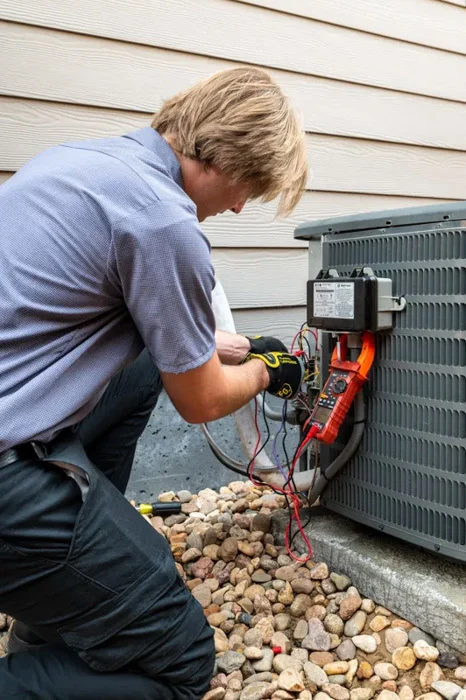
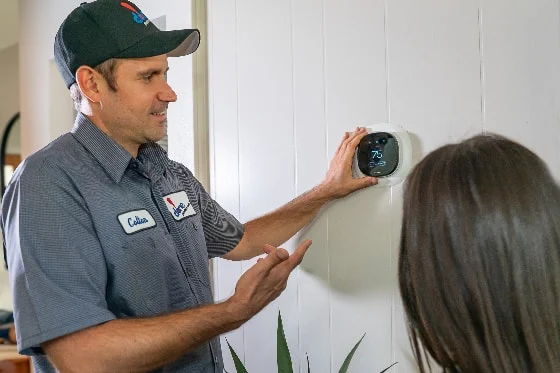
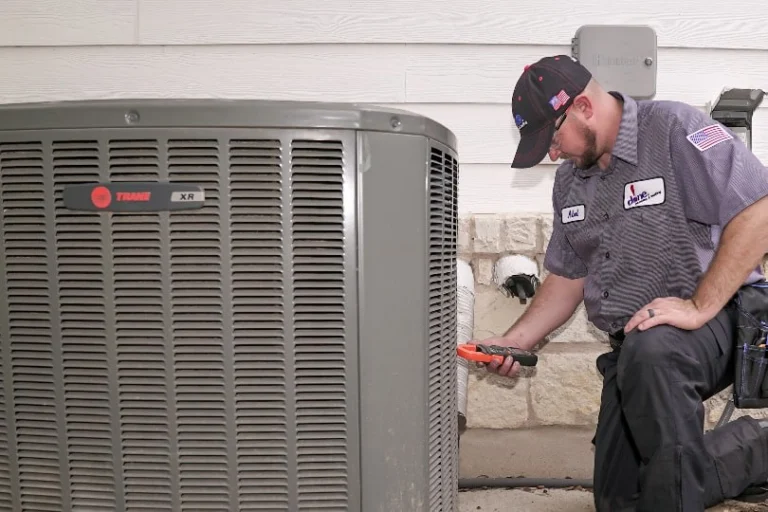
A professional maintenance visit covers a lot of ground. For an air conditioner, the technician will check refrigerant pressure, inspect and clean the condenser and evaporator coils, clear the condensate drain, test capacitors and contactors, and verify thermostat calibration. For a furnace, the visit includes inspecting the heat exchanger for cracks (a critical safety check — a cracked heat exchanger can allow carbon monoxide into your living space), testing ignition and burner flame, checking the flue and exhaust, lubricating moving parts, and confirming gas pressure is correct for altitude.
Both visits include a filter check and system performance test under real operating conditions. The goal isn’t just to say the system passed — it’s to catch anything that’s starting to wear before it becomes an emergency repair in the middle of a July heat wave or a January blizzard.
The Case for a Maintenance Membership
If remembering to schedule two separate appointments each year sounds like one more thing on your to-do list, a maintenance membership makes it automatic. Done’s Care Club bundles your annual AC and furnace tune-ups, puts you at the front of the line for service calls, and typically saves members money on repairs over time. It’s the simplest way to make sure maintenance actually happens on schedule, year after year.
Signs You May Need Service Sooner
Annual maintenance is the baseline — but some situations call for a visit outside the normal schedule. Consider scheduling a check if:
- Your energy bills have jumped noticeably without a change in usage habits
- The system is making new noises — banging, rattling, or grinding
- You’re noticing uneven temperatures from room to room
- The system is short-cycling (turning on and off in rapid bursts)
- You haven’t had service in more than 18 months
- You’ve recently moved into a home and don’t know the maintenance history
Don’t Wait Until Something Breaks
The most expensive HVAC call is always the emergency one — the Friday-night no-heat call in February or the Saturday-noon no-cool call in August. Routine maintenance is the most cost-effective thing you can do to avoid those situations. Systems that are regularly serviced also tend to last several years longer than neglected ones, which means more time before you’re facing the cost of a full air conditioner replacement or furnace replacement.
Ready to get on a schedule? Book your AC tune-up or furnace maintenance with Done today, and take one more thing off your worry list.