Your heating system should be professionally serviced once a year, and fall — before the cold season begins — is the best time to do it. Whether you have a gas furnace, a boiler, a heat pump, or another type of system, annual maintenance helps ensure it fires up reliably when temperatures drop, runs as efficiently as the equipment allows, and doesn’t create safety hazards like carbon monoxide exposure. Skipping even one year can allow small issues to compound into costly breakdowns or safety concerns.
Colorado’s Heating Demands Are Higher Than Average
Denver and the Front Range sit at roughly 5,280 feet above sea level, and that altitude changes how combustion-based heating equipment performs. Gas furnaces and boilers burn fuel in thinner air, which means burner calibration matters more here than in lower-elevation markets. A furnace set up to the manufacturer’s sea-level defaults may not burn as cleanly or efficiently as it should at altitude — something that annual servicing by a locally experienced technician catches and corrects.
Colorado winters also bring wide temperature swings. The Front Range regularly sees 50- or 60-degree drops in 24 hours during cold snaps, and a heating system that hasn’t been maintained may struggle to keep up with a sudden demand spike. Having your system serviced before November means it’s ready for those moments, not scrambling to catch up.
What a Heating System Service Visit Covers
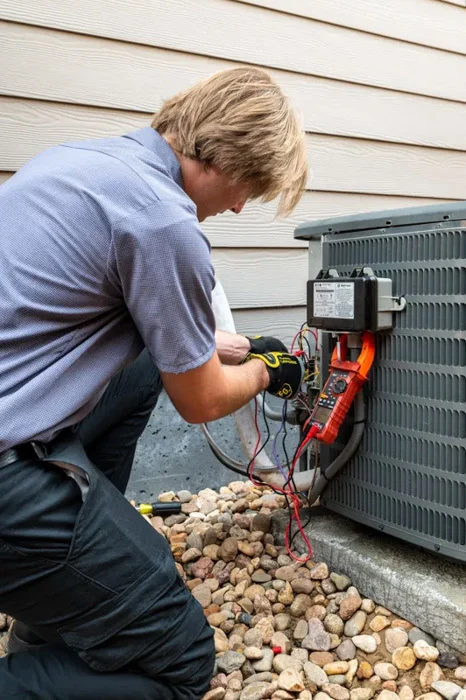
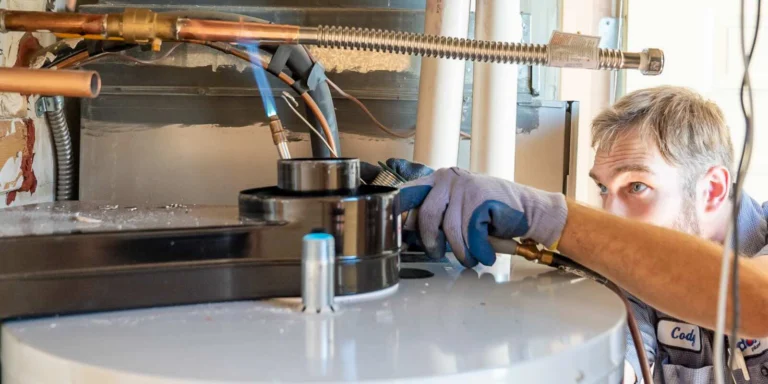
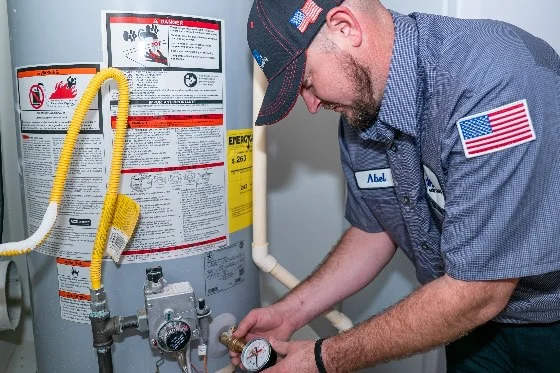
A thorough annual heating service goes well beyond just replacing the filter. A licensed technician will inspect and test the following:
- Heat exchanger integrity (cracks can allow carbon monoxide into conditioned air — a life-safety issue)
- Ignition system, burner flame, and gas valve operation
- Flue and exhaust venting for blockages or deterioration
- Blower motor and belt condition, lubrication as needed
- Gas pressure and manifold settings for proper altitude calibration
- Thermostat calibration and control board function
- Filter condition and overall airflow measurement
For boilers, the checklist shifts to include pressure relief valve testing, expansion tank pressure, burner and heat exchanger condition, and zone valve operation. The point is the same: find what’s wearing out or out of spec before it becomes a failure.
How Skipping Service Affects Cost and Equipment Life
A furnace that hasn’t been cleaned or tuned runs harder than it needs to. Dirty burners reduce combustion efficiency. A clogged filter forces the blower motor to work against increased static pressure, shortening its life. Dust accumulation on heat exchanger surfaces reduces heat transfer. Individually, each of these effects is minor. Cumulatively, over several unmaintained seasons, they add up to measurably higher energy bills, more frequent repairs, and a system that reaches the end of its useful life years earlier than it should.
Most gas furnaces are designed to last 15–20 years with proper care. Systems that go without regular maintenance often fail significantly sooner. The cost of annual furnace maintenance is consistently much lower than even a single mid-season emergency repair call, let alone early system replacement.
When to Schedule More Frequently
Once a year is the standard, but there are situations where more frequent attention makes sense. If you have an older system (15+ years), if anyone in the household has asthma or significant allergies, or if your home has experienced unusual dust loads from renovation work or wildfire-smoke events, a mid-season filter check and system inspection is worth scheduling. Heat pumps, which run year-round for both heating and cooling, benefit from two service visits per year rather than one.
Make It Automatic
The simplest way to make sure your heating system is serviced every year is to join a maintenance plan that schedules it for you. Done’s Care Club handles the scheduling, keeps your system covered, and gives members priority booking — which matters when everyone in Denver is trying to get service after the first hard freeze.
If you’re due for a heating system check, schedule your furnace service with Done before the season starts. If something’s already not working right, our furnace repair team is ready to help.