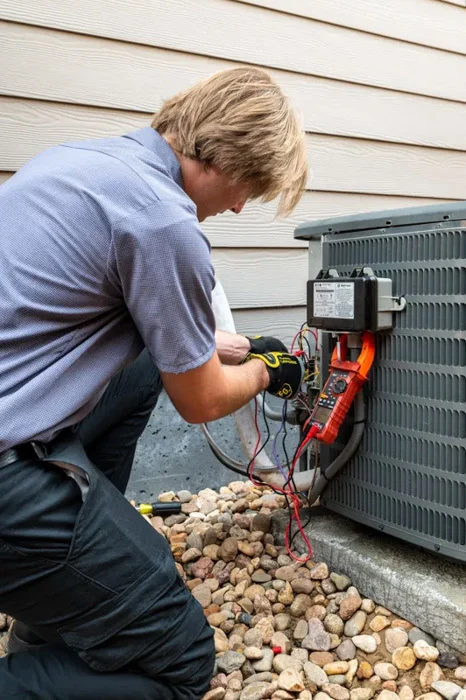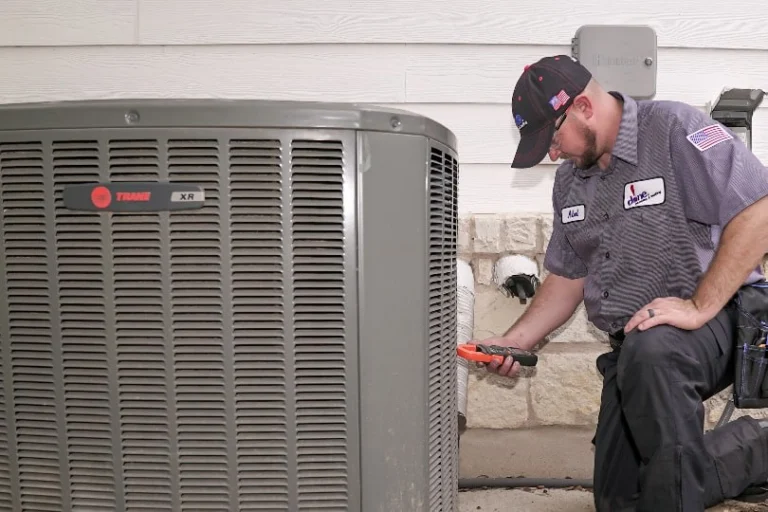
Done offers emergency HVAC service and works to respond as quickly as possible. Response time in a true emergency depends on current call volume, your location within the Denver metro, and the time of day, but Done prioritizes emergency calls and dispatches the next available technician rather than making you wait for a scheduled window. For the most urgent situations — a complete heating failure during a cold snap, for instance — calling the main line immediately is the fastest path to getting someone on the way.
What Counts as an HVAC Emergency
Not every HVAC problem is an emergency, but some genuinely are. True emergencies include:
- Complete heating failure when outdoor temperatures are below freezing — in Denver’s climate, this creates real risk of frozen pipes, especially in older homes or those with pipes in unconditioned spaces
- Carbon monoxide alarm triggered in connection with a gas furnace, boiler, or other HVAC equipment
- Gas smell associated with your furnace or HVAC equipment (leave the home and call your gas company first, then HVAC service)
- Complete cooling failure during a summer heat event, particularly for households with elderly family members, infants, or anyone with heat-sensitive medical conditions
- Electrical issues connected to your HVAC system — burning smells, visible arcing, tripped breakers that won’t reset
Colorado’s Climate Makes Fast Response Critical
The Front Range’s temperature extremes make HVAC failures more than just uncomfortable. Denver winters routinely bring sub-zero nights, and when a furnace fails in those conditions, indoor temperatures can drop to dangerous levels within hours in an older or poorly insulated home. Frozen pipes can follow, turning a heating repair into a plumbing emergency as well. On the summer side, high-altitude UV and intense afternoon sun can push indoor temperatures well above 90°F quickly when air conditioning fails during a heat wave. Prompt response isn’t a luxury — it’s a safety matter.
What to Do While You Wait for a Technician
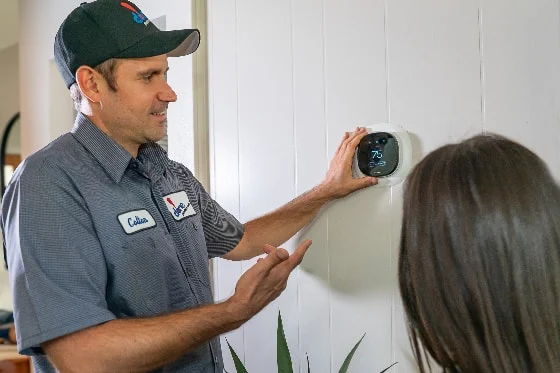
While you’re waiting for an emergency HVAC technician, there are a few things you can safely do. If your heating is out in cold weather: close off unused rooms to concentrate available heat, use electric space heaters (safely, away from flammable materials), and let faucets drip slightly to reduce frozen pipe risk. If your cooling is out in summer: close blinds and curtains on sun-exposed windows, move to lower floors (heat rises), and use fans to create air movement. Check your thermostat and circuit breaker first — occasionally what seems like an HVAC failure is a tripped breaker or a thermostat that lost its settings.
Priority Service for Care Club Members
Done’s Care Club members receive priority scheduling, which means in high-demand periods — the first cold snap of winter, or an extended summer heat wave when call volume spikes — members move to the front of the line. If fast response during the busiest HVAC seasons matters to you, a maintenance membership is worth considering. It also includes preventive tune-ups designed to catch problems before they become emergencies in the first place.
Honest Expectations
During peak periods — the first hard freeze of fall, a mid-July heat wave — every HVAC company in the Denver metro is receiving high call volume. Done will be transparent about estimated response times when you call. If the situation is genuinely dangerous (CO, fire risk, sub-zero home), say so clearly — that information helps dispatchers make the right prioritization decision.
For emergency HVAC situations, call Done directly. You can also learn about what to expect from emergency AC repair and emergency heating repair. Care Club members get priority — learn about the membership at Care Club.