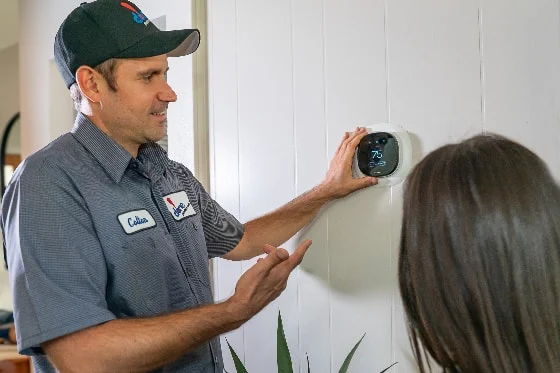
Smart thermostats are designed to be user-friendly, and most homeowners get comfortable with them within a day or two. The initial setup — wiring, Wi-Fi pairing, and programming your schedule — can trip people up, but Done’s technicians handle that entire process for you so you’re not reading a 40-page manual on your own. Once it’s configured, day-to-day use is as simple as tapping your phone or asking a voice assistant.
Why Smart Thermostats Feel Complicated at First
The learning curve for smart thermostats usually shows up during installation, not daily use. Most models require a C-wire (common wire) to power themselves continuously. Older Denver-area homes — especially those built before the 1990s — often have furnaces or boilers wired without a C-wire, which means a straightforward swap turns into an electrical puzzle. Done’s technicians assess your existing wiring before recommending a model, and they’ll add a C-wire adapter or run a new wire if needed.
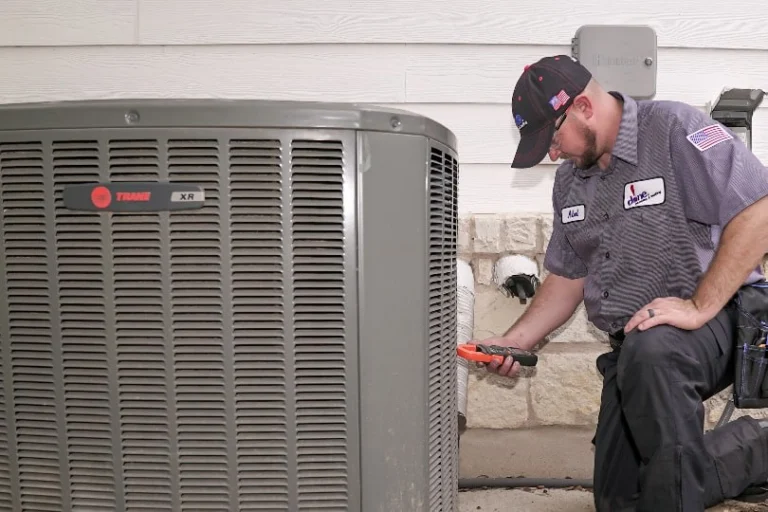
There’s also the matter of system compatibility. Heat pumps, dual-fuel systems, boilers with zone valves, and multi-stage furnaces all have different wiring requirements. Hooking up the wrong thermostat to a two-stage furnace or a heat pump with auxiliary heat can leave you with a system that short-cycles or never calls for the right stage. Getting a professional eye on compatibility before you buy saves a lot of frustration.
What Done Does During a Smart Thermostat Installation
When Done installs a smart thermostat, the job goes well beyond mounting the hardware. The technician will verify system compatibility, check your existing wiring, handle any C-wire requirements, connect the device to your home Wi-Fi, and walk you through the basic controls before leaving. Most installs take under two hours. You’ll leave knowing how to set a schedule, adjust the temperature remotely, and read the energy usage reports — the features that actually save you money.
At Denver’s elevation of roughly 5,280 feet, heating loads run higher than what sea-level equipment tables assume. A smart thermostat’s scheduling and occupancy-sensing features are especially valuable here because the Front Range sees wide overnight temperature swings — sometimes 40°F between a summer afternoon and the same evening. A well-programmed thermostat stops the system from overcooling or overheating during those swings, which trims energy bills meaningfully over a season.
Features That Take a Little Time to Learn
After installation, there are a handful of features worth understanding at your own pace:
- Geofencing: The thermostat detects when your phone leaves or approaches home and adjusts the temperature automatically — no manual scheduling needed.
- Learning mode: Some models observe your manual adjustments for a week and then build a schedule based on your habits.
- Energy reports: Weekly or monthly summaries show runtime hours and flag days when the system ran unusually long — a useful early-warning for equipment issues.
- Remote access: Control temperature from anywhere through the manufacturer’s app, which is handy when you’re returning from a ski trip and want the house warm on arrival.
- Voice control integration: Most models pair with Amazon Alexa, Google Assistant, or Apple HomeKit with a few taps in the app.
Is a Smart Thermostat Worth It for Denver Homes?
For most Front Range households, yes. Denver’s climate demands both a real heating season (October through April can bring genuine cold snaps) and a real cooling season. A thermostat that automatically scales back when nobody is home, then recovers the house before you return, earns its cost in a season or two. The Department of Energy estimates that setting your thermostat back 7–10°F for eight hours a day can save roughly 10% on annual heating and cooling costs — and a smart thermostat does that automatically without relying on you to remember.
When to Call Done for Thermostat Help
Call Done if your new thermostat isn’t communicating with the system after setup, if the display shows a wiring error, or if your heating or cooling seems to run in short bursts after the swap. These are almost always wiring or compatibility issues that a technician can resolve in one visit. Done also helps if you’ve had a smart thermostat for a while but never got it fully configured — there’s no reason to leave features like scheduling and geofencing unused.
Ready to upgrade? Learn more about Done’s AC maintenance services and furnace maintenance to make sure your system is ready to respond to a smarter thermostat. You can also explore Done’s Care Club membership for ongoing tune-ups that keep everything running as efficiently as your new thermostat expects.