Some plumbing problems announce themselves loudly — a burst pipe or overflowing toilet is hard to miss. But many of the costliest issues start as subtle warning signs that homeowners overlook for weeks or months: a slowly climbing water bill, a faint sewage smell, water that takes too long to drain, or discoloration at a pipe joint. Catching these early usually means a straightforward repair; waiting often means water damage, mold, or a much larger job.
Water Bill Spikes You Can’t Explain
A sudden or gradual increase in your water bill — without a change in household habits — is one of the clearest signs of a hidden leak. Running toilets are a common culprit; a flapper that doesn’t seal properly can waste hundreds of gallons a day without any visible water on the floor. Pinhole leaks in supply lines behind walls are another frequent offender in Denver-area homes with hard water, because mineral scale accelerates corrosion on copper pipe. Do a quick toilet check: put a few drops of food coloring in the tank and check the bowl after 15 minutes without flushing — color in the bowl means the flapper is leaking.
Slow Drains Throughout the House
A single slow drain is usually a localized clog — hair, soap scum, or mineral buildup in the trap or drain line. But when multiple fixtures drain slowly at the same time, or when you hear gurgling from one drain while another is running, that pattern points to a blockage in the main sewer line. Tree root intrusion and pipe bellies caused by Colorado’s expansive clay soils are frequent sewer line problems on the Front Range. This needs a professional camera inspection and, depending on what’s found, hydrojetting or sewer line repair.
Low Water Pressure
Weak water pressure at a single fixture usually means a clogged aerator or showerhead — easy to clean or replace yourself. Whole-house low pressure is different and warrants a call. It can indicate a failing pressure reducing valve (PRV), significant mineral scale narrowing the supply lines, or — in serious cases — a leak in the main supply line. Denver’s hard water is especially rough on PRVs; the valves can fail in ways that drop pressure to a trickle or, conversely, allow dangerously high pressure that stresses fixtures and appliances.
Discolored Water or Visible Rust
Brown or reddish water when you first turn on a tap can come from corroding pipes inside your home. Galvanized steel pipes common in pre-1970s Denver homes corrode from the inside out; the rust flakes into the water supply over time. If discoloration appears consistently or at the hot-water tap specifically, the water heater’s anode rod may be depleted. Persistent rust-colored water is both a water quality issue and a sign of pipe deterioration that will eventually leak.
Warning Signs That Need Immediate Attention
Some signs mean call a plumber today, not next week:
- Sewage odor indoors: A persistent rotten-egg or sewage smell inside the house can indicate a cracked sewer line or a dry P-trap allowing sewer gas (which includes methane) into your living space.
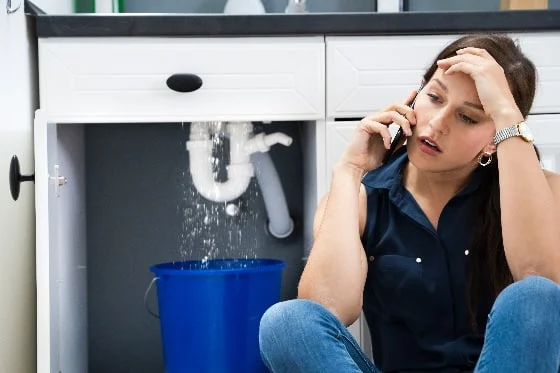
- Wet spots on ceilings or walls: Staining or soft drywall below a bathroom or near a pipe chase means water is accumulating somewhere it shouldn’t. Mold can establish within 24–48 hours of moisture exposure.
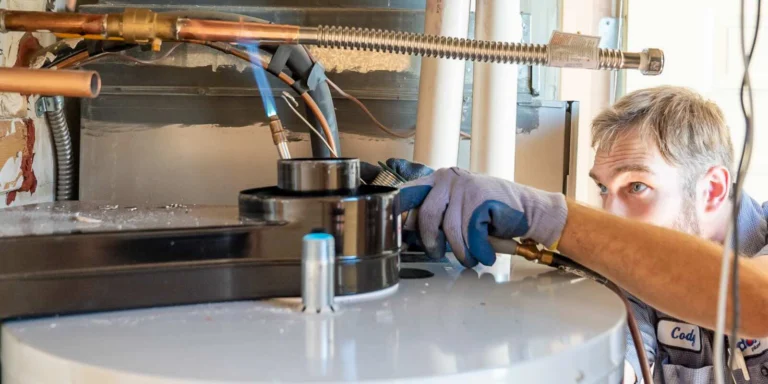
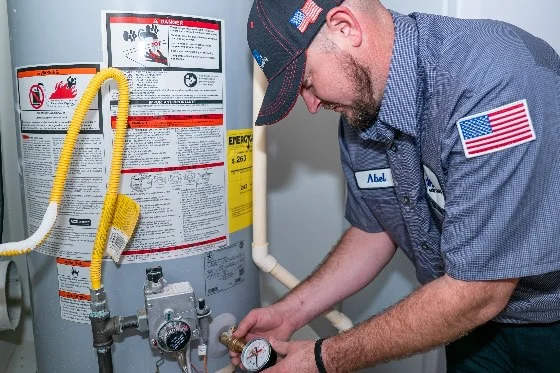
- Water heater pooling or rumbling: Water around the base of a water heater or loud rumbling during heating cycles are signs the unit may be failing. Sediment buildup from Colorado’s hard water is a major accelerant of water heater deterioration.
- Frozen or burst pipes: After a cold snap, if water flow from any fixture drops to a trickle, suspect a frozen pipe. Don’t try to thaw it with an open flame — call a plumber before it bursts.
Don’t Wait on These Issues
Plumbing problems don’t resolve themselves — they almost always get worse and more expensive over time. A slow leak that costs a few hundred dollars to repair today can cause thousands in water damage and mold remediation if left for months. If you’re seeing any of these warning signs, it’s worth a call to get a professional opinion before a manageable repair becomes a major project.
Done’s plumbers serve the entire Denver metro area and can handle everything from a running toilet to a full repipe. Explore Done’s plumbing services, learn about pipe and line repair, or call for emergency plumbing if you’re dealing with an active leak or backup. For water quality concerns, water quality treatment options are also available.