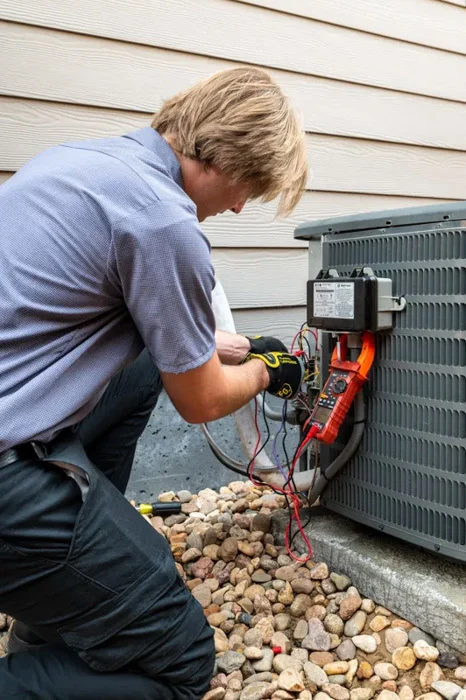
Knowing whether your cooling system needs a repair or a full replacement is one of the most important — and sometimes most difficult — decisions a homeowner faces. Repair makes sense when the system is relatively young, the failing component is isolated, and the cost is reasonable relative to the system’s remaining value. Replacement makes more sense when the system is aging, repairs are becoming frequent, efficiency has declined, or the cost of the repair approaches what a new system would cost over a similar timeframe. Done’s technicians will give you an honest assessment of where your system stands.
Signs That Point Toward Repair
If your system is under 10 years old and has been reasonably well maintained, most individual component failures are worth repairing. A failed capacitor, a bad contactor, a clogged condensate drain, or a refrigerant charge that’s a pound or two low are all straightforward repairs that restore the system to good working condition. The same applies to a failed fan motor or a refrigerant leak at an accessible fitting — provided the refrigerant type isn’t an issue (see below). These repairs extend the useful life of a system that still has several productive years ahead of it.
Signs That Point Toward Replacement
Several signals suggest it’s time to stop repairing and start planning for a new system:
- Age: Central AC systems typically last 15–20 years with good maintenance. A system approaching or past that range is living on borrowed time regardless of how well it’s running today.
- Compressor failure: When the compressor fails on a system that’s more than 10 years old, replacement is almost always the better financial decision. A new compressor on an aging system is expensive, and the other components are similarly worn.
- R-22 refrigerant: If your system uses R-22 (Freon), discontinued in the U.S. since 2020, the cost of refrigerant alone can make repairs prohibitively expensive. This is frequently the tipping point for older system replacement.
- Repeated repairs: If you’ve had multiple repair calls in the past two or three seasons, the system is telling you something. The costs add up quickly and often aren’t reflected in improved reliability.
- Rising energy bills: A system that has lost efficiency will show up on your Xcel Energy statement. If cooling costs have climbed year over year without explanation, declining system performance is often the reason.
- Uneven cooling or comfort complaints: Hot spots, rooms that won’t cool, or excessive humidity despite the AC running are signs the system may be undersized, failing, or have ductwork problems that compound the equipment issue.
The 50% Rule as a Starting Point
A commonly used rule of thumb: if the repair cost exceeds 50% of the cost of a comparable new system, replacement usually makes more long-term financial sense. It’s not a hard rule — the age of the system, its efficiency rating, and the likelihood of future repairs all factor in — but it’s a useful starting point for the conversation. Done’s technicians will walk you through the math honestly and won’t push you toward replacement if repair genuinely makes sense for your situation.
Colorado-Specific Factors in the Repair vs. Replace Decision
Hail damage is a Front Range consideration that doesn’t come up in most parts of the country. A severe hailstorm can damage condenser fins and coils to the point where the system’s efficiency is substantially compromised. If your outdoor unit took a hard hailstorm, have it inspected before deciding whether a mechanical repair is worth pursuing — and check with your homeowner’s insurance carrier, as hail damage to HVAC equipment is sometimes a covered loss that could make replacement more affordable.
Whether your system needs AC repair or it’s time for something new, Done will give you a straight answer. We provide free replacement estimates, and financing options are available so cost doesn’t force you into a decision that isn’t right for your home. Contact Done to schedule a system assessment.